PP PE Film Washing Line

Plan your PP PE film washing line

WhatsApp
Our engineers normally reply within one business day.
▶ View equipment videos

Materials available for processing

From contaminated film to a stable, usable output.

We configure the wash route around feedstock condition and the output required by your pelletizing or resale plan.
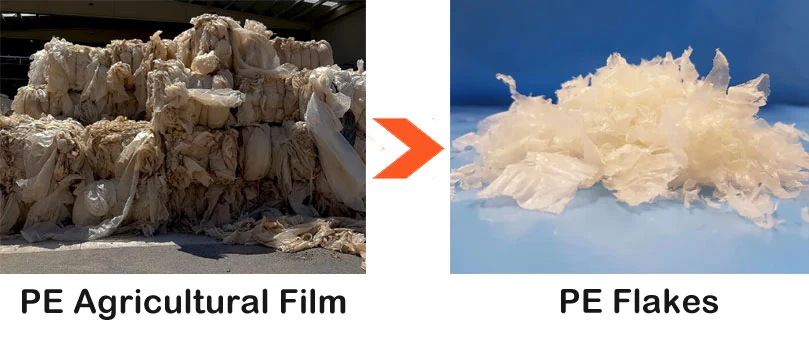
Contaminated agricultural plastic film feedstock
01 · Input

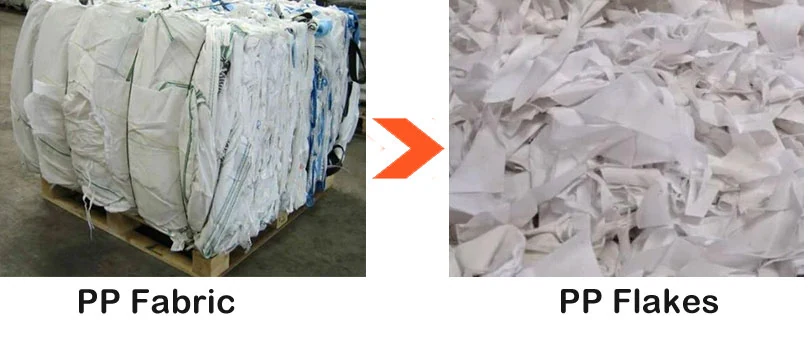
Contaminated film feedstock

Loose or baled agricultural, greenhouse, packaging and post-consumer PP/PE film.
Clean dry plastic film flakes after washing
02 · Output

Clean, dry film flakes

Prepared for bagging, direct sale or consistent feeding into a downstream pelletizing line.

How it works

Complete film washing process

Nine coordinated stages remove soil, sediment, labels, ink and moisture before the material reaches its next use.

  1. 01Bale FeedingSteady material input
  2. 02ShreddingOpen bales and loose film
  3. 03CrushingReduce to uniform piecesKey stage
  4. 04Floating WashingSeparate heavy contaminants
  5. 05Friction WashingScrub ink, labels and residueKey stage
  6. 06Fine WashingFinal surface cleaning
  7. 07SqueezingMechanically remove water
  8. 08Thermal DryingReach pelletizer-ready moistureKey stage
  9. 09Packaging / PelletizingBag flakes or feed extrusion

Cleaning line detail photo set

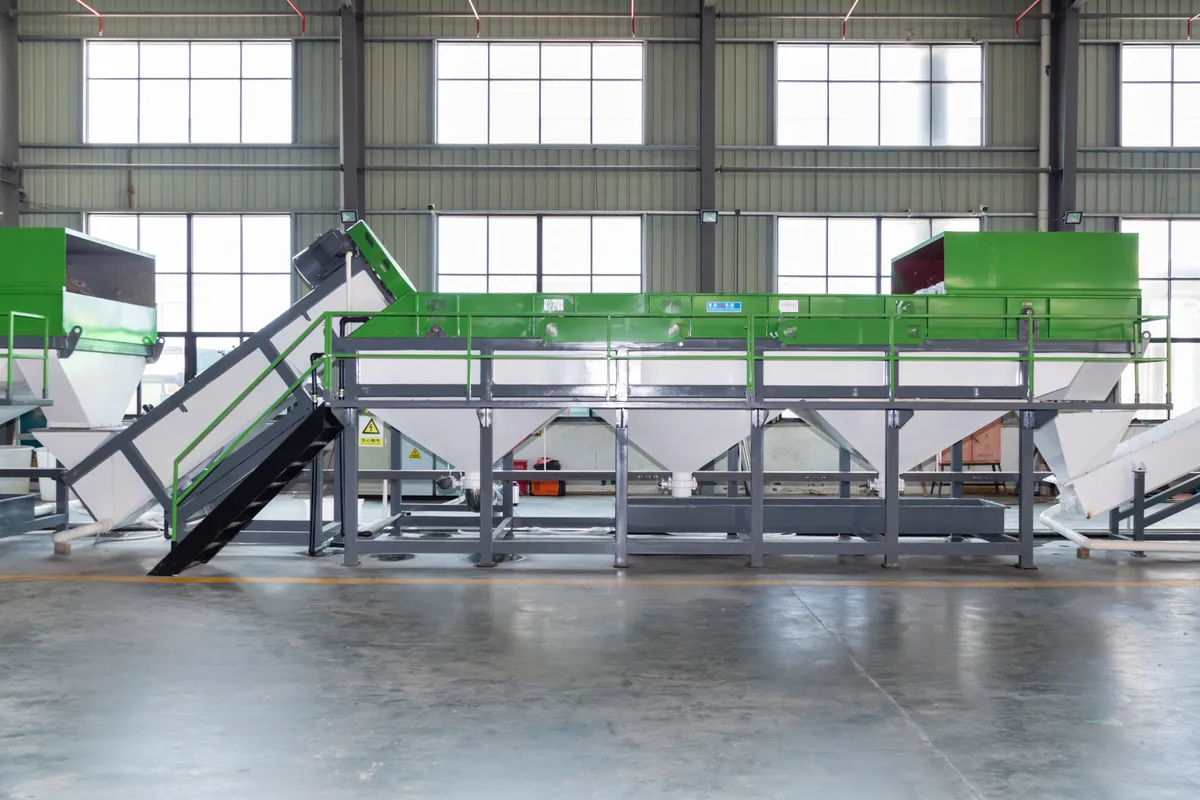
The equipment behind the washing route.

Each unit has a clear role in moving contaminated film toward clean, dry flakes. Final equipment selection follows the feedstock, capacity and utility conditions.
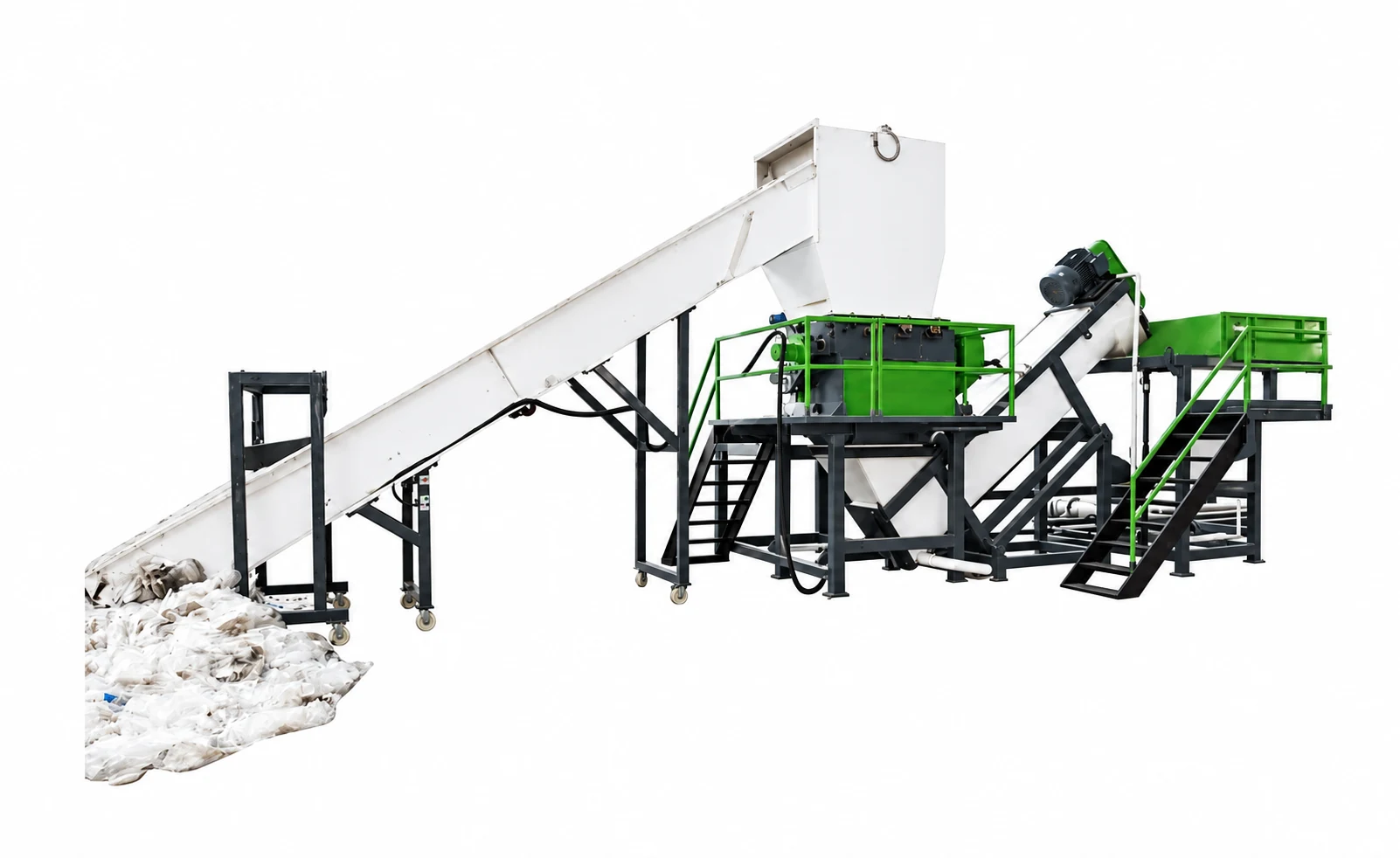
Belt conveyor
01 · Material feeding

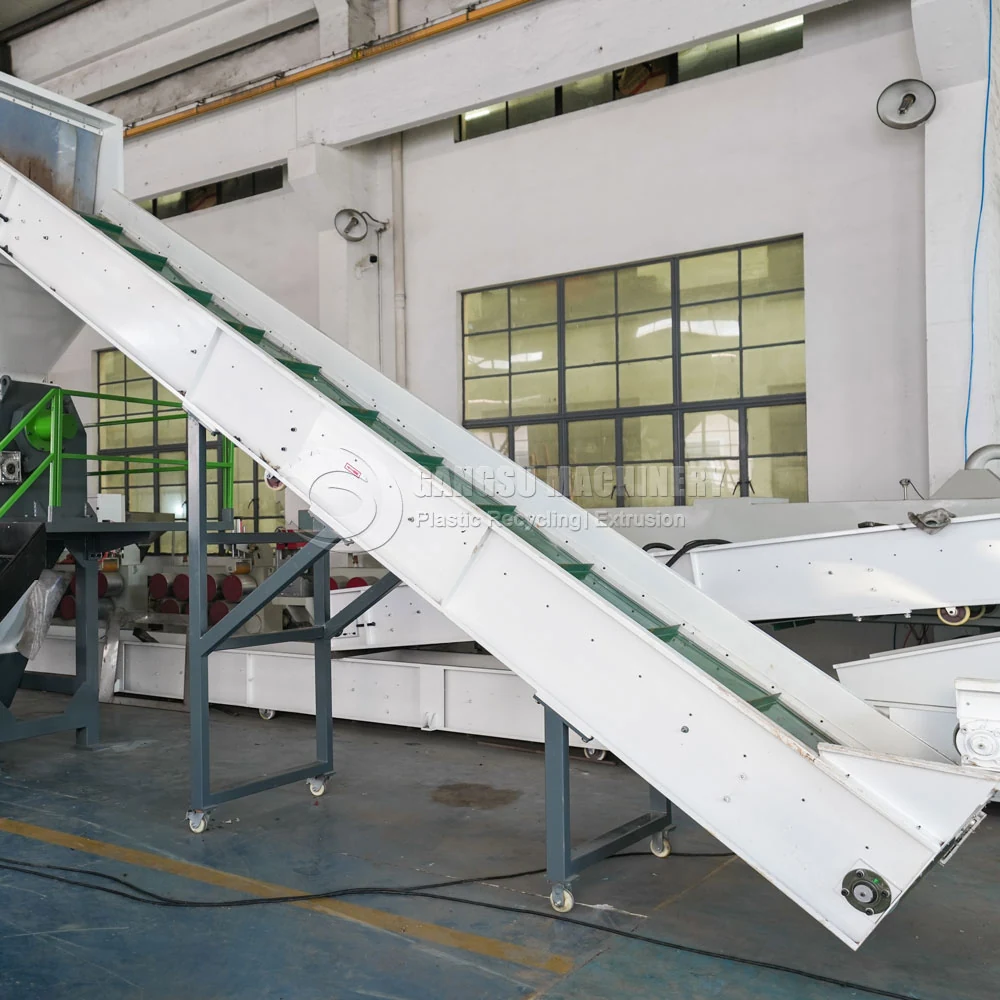
Belt conveyor

Conveys loose or baled film waste into the size-reduction stage at a controlled rate.
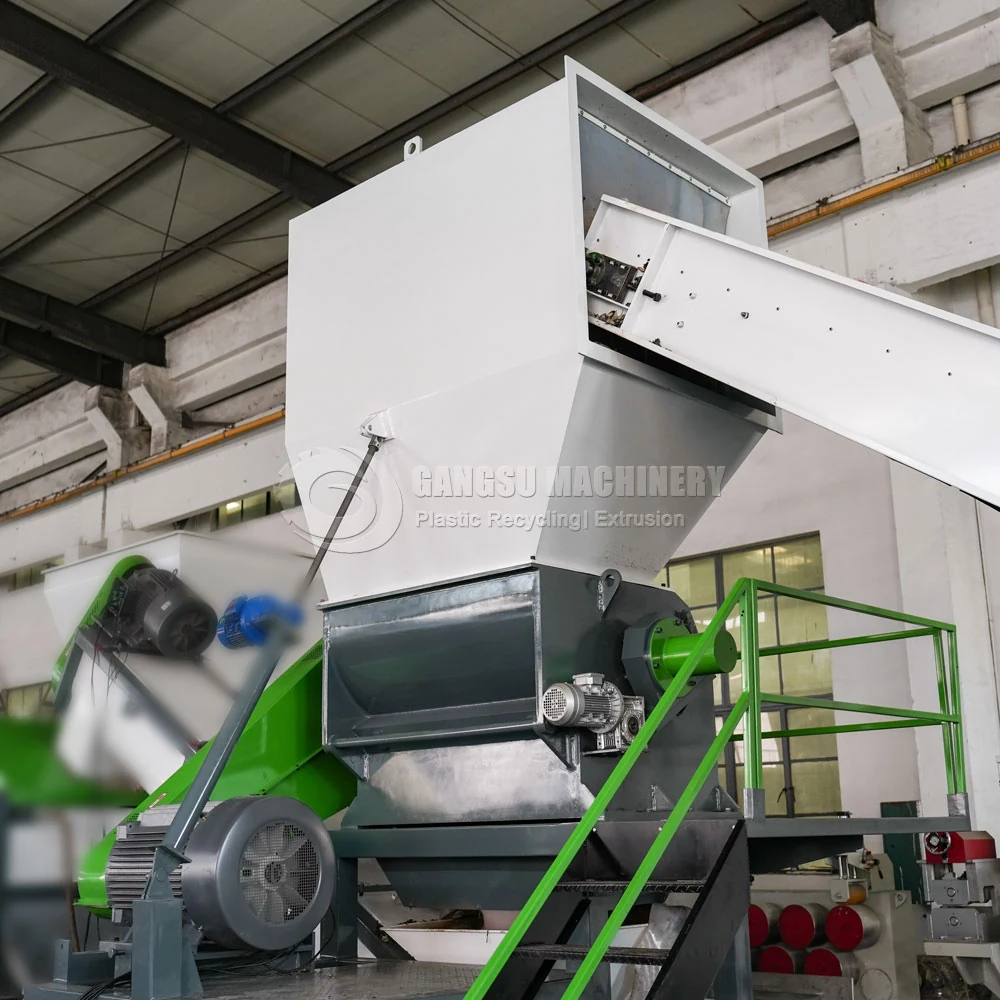
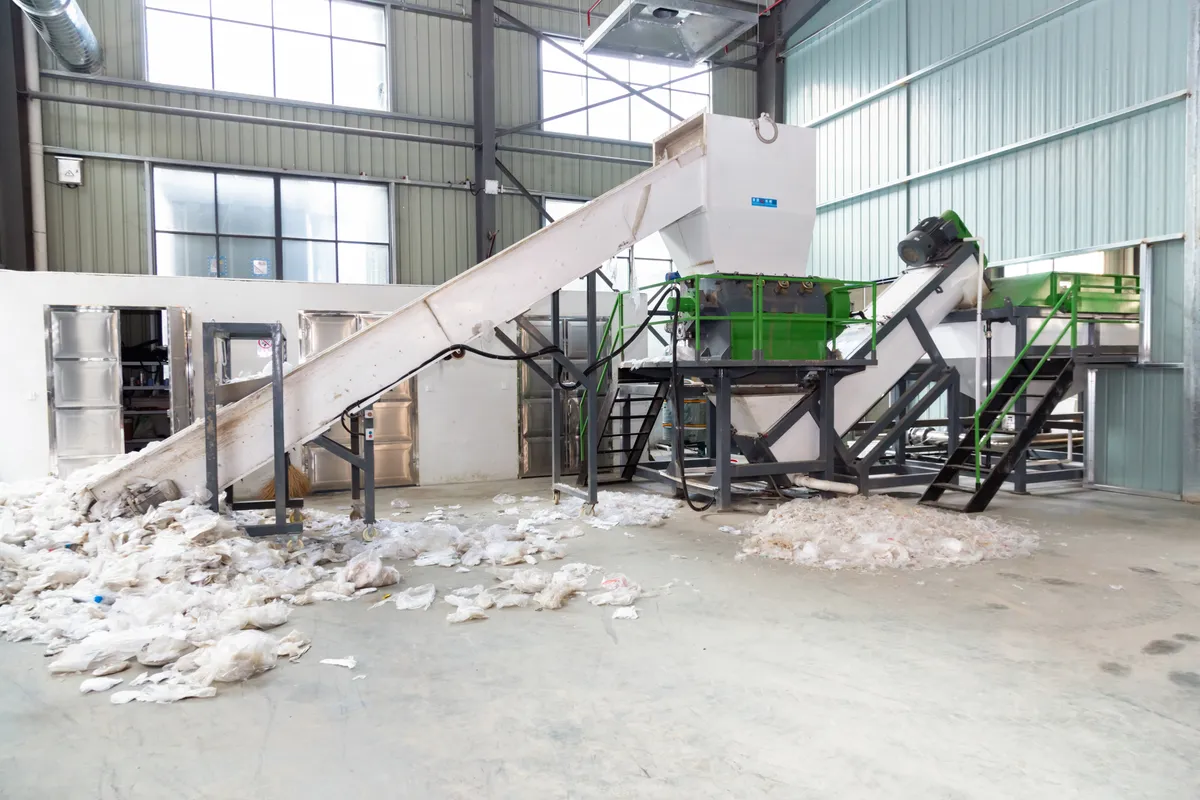
Plastic crusher
02 · Size reduction

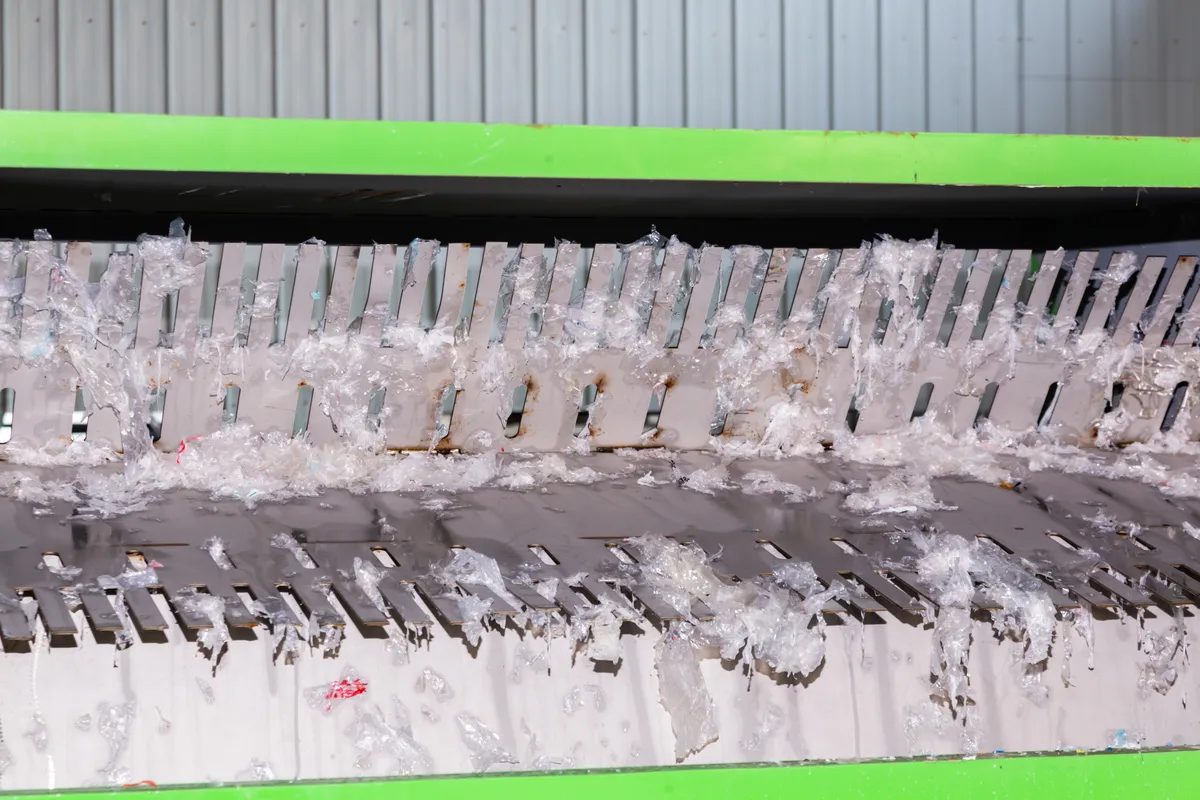
Plastic crusher

Reduces film or woven strapping into manageable pieces for the washing route.
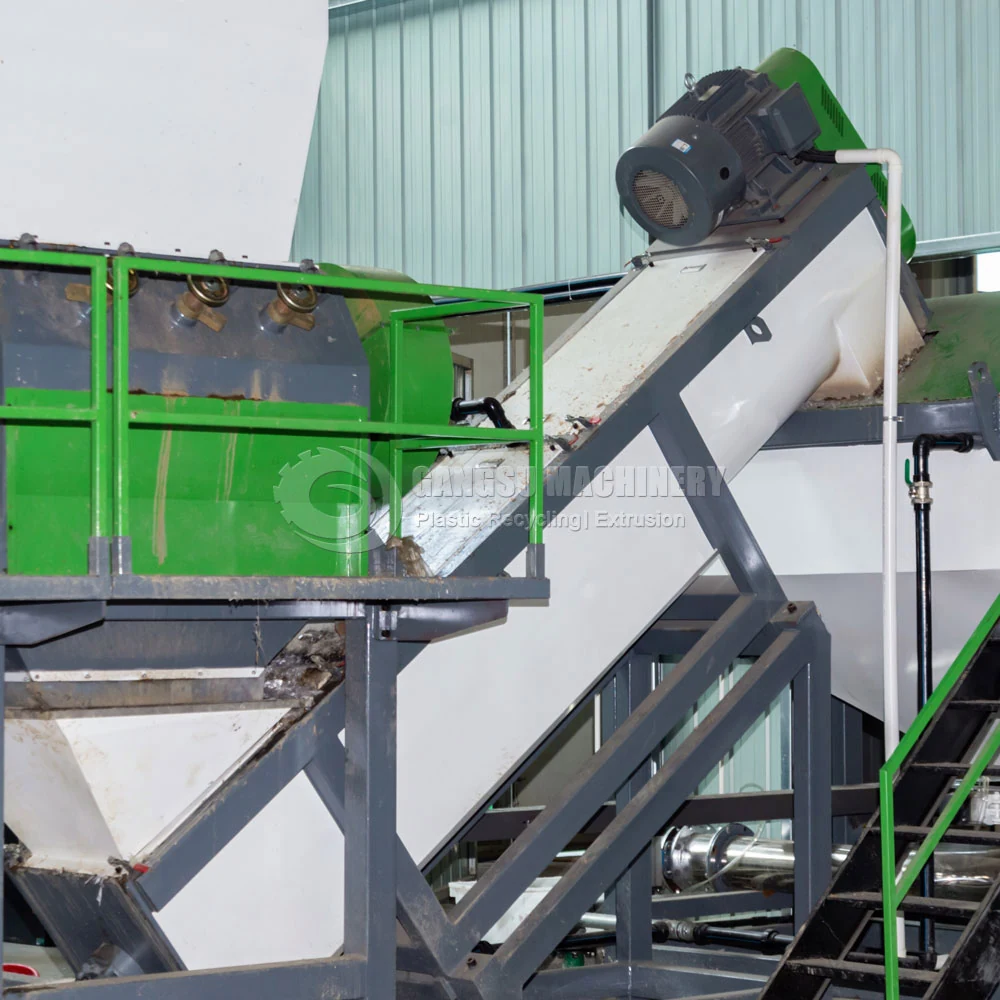
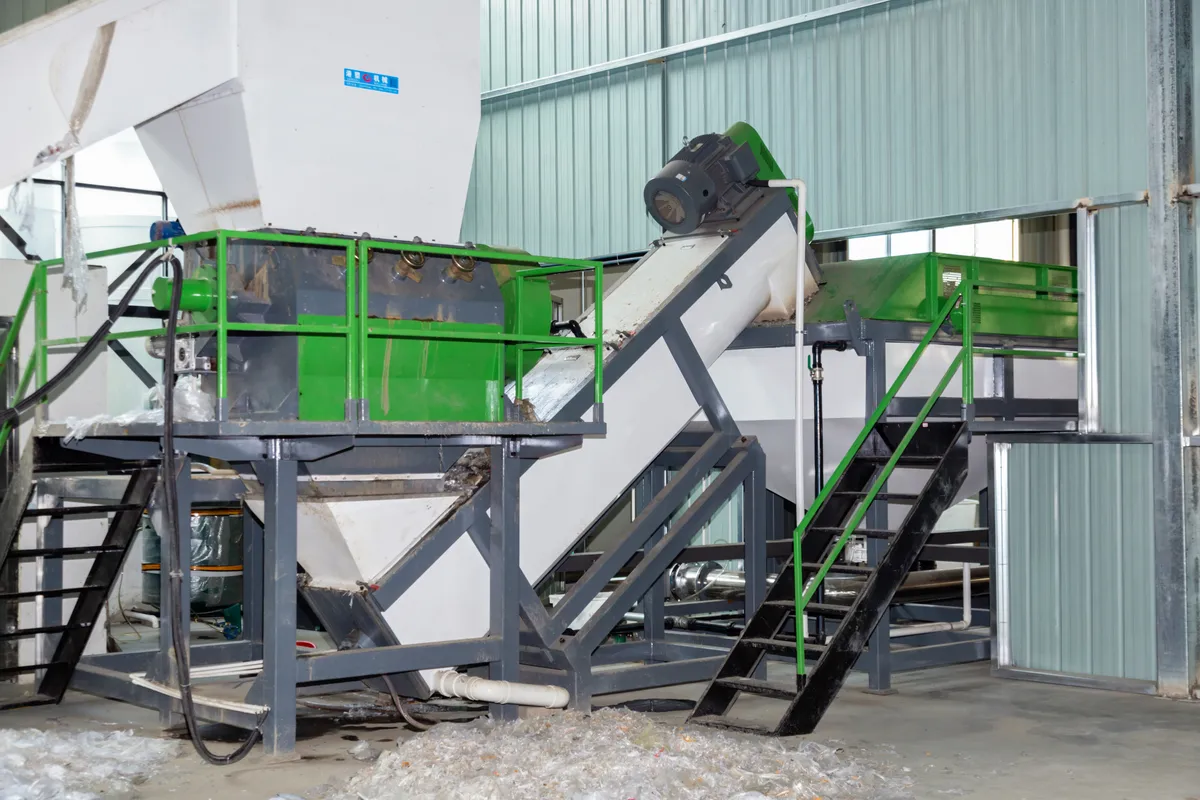
Screw feeder
03 · Material transfer

Screw feeder

Transfers rinsed material consistently between the washing and downstream stages.
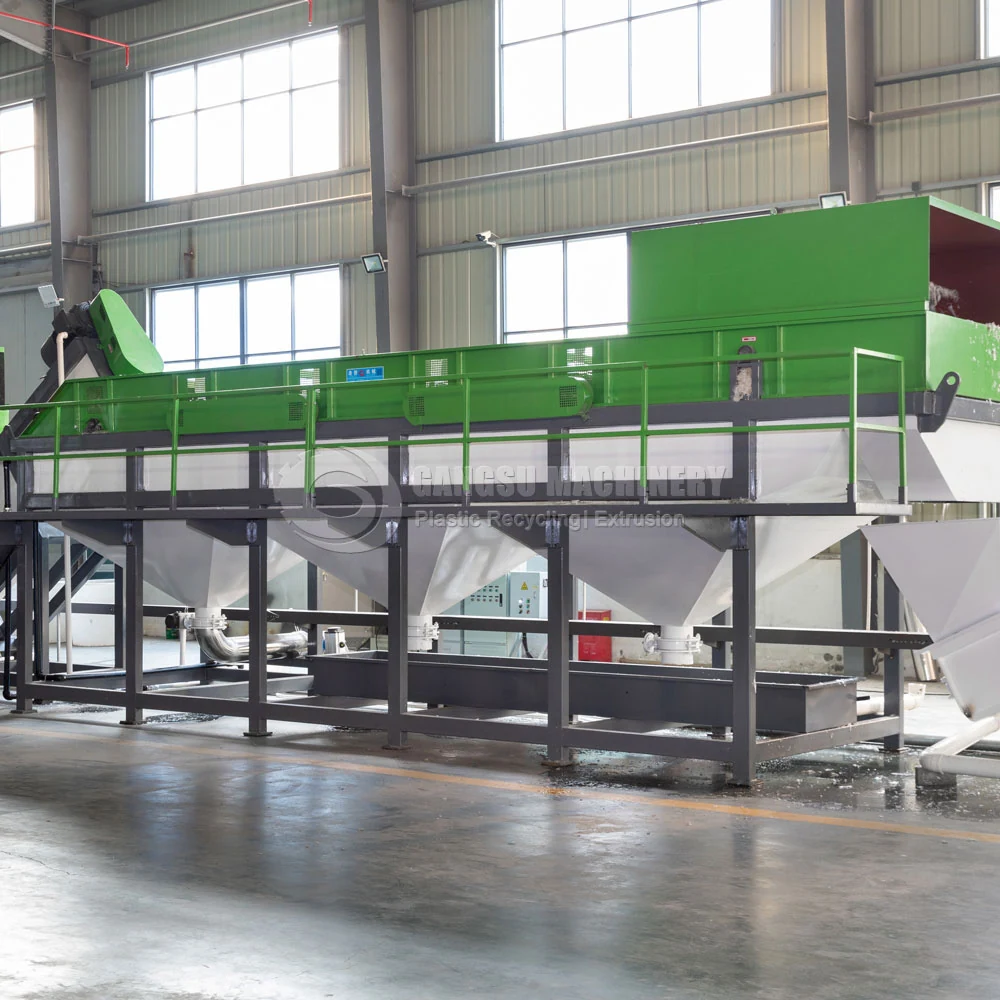
Floating tank
04 · Density separation

Floating tank

Rinses the material and separates sediment, stones and other heavy contamination.
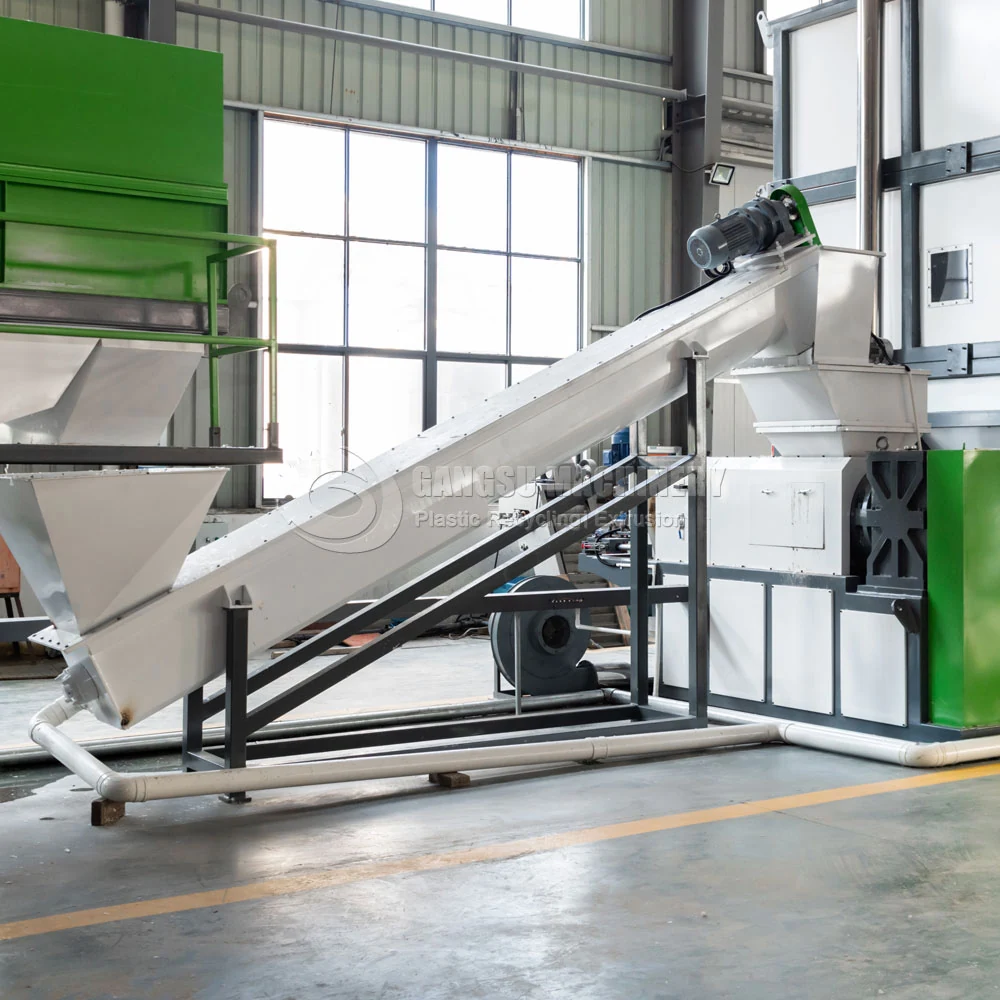
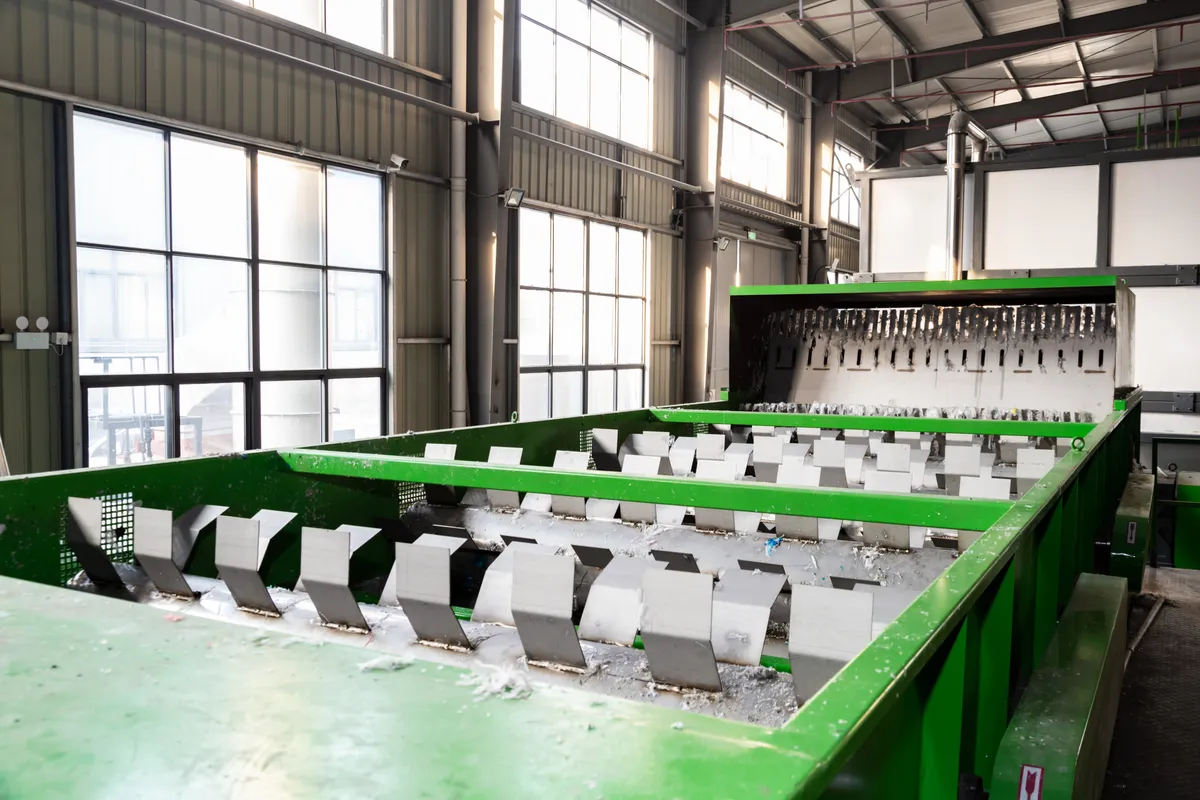
Friction washer
05 · Surface cleaning

Friction washer

Uses high-pressure water and high-speed scrubbing to clean and convey film flakes.
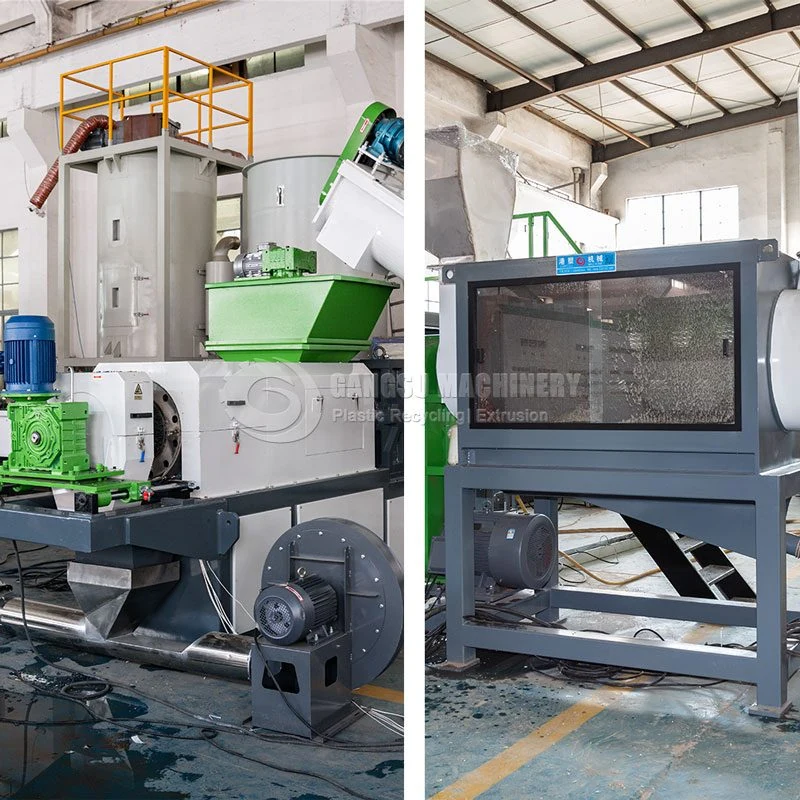
Moisture removal & drying
06 · Dewatering

Moisture removal & drying

Squeezing and drying are selected around the required final moisture and pelletizing route.
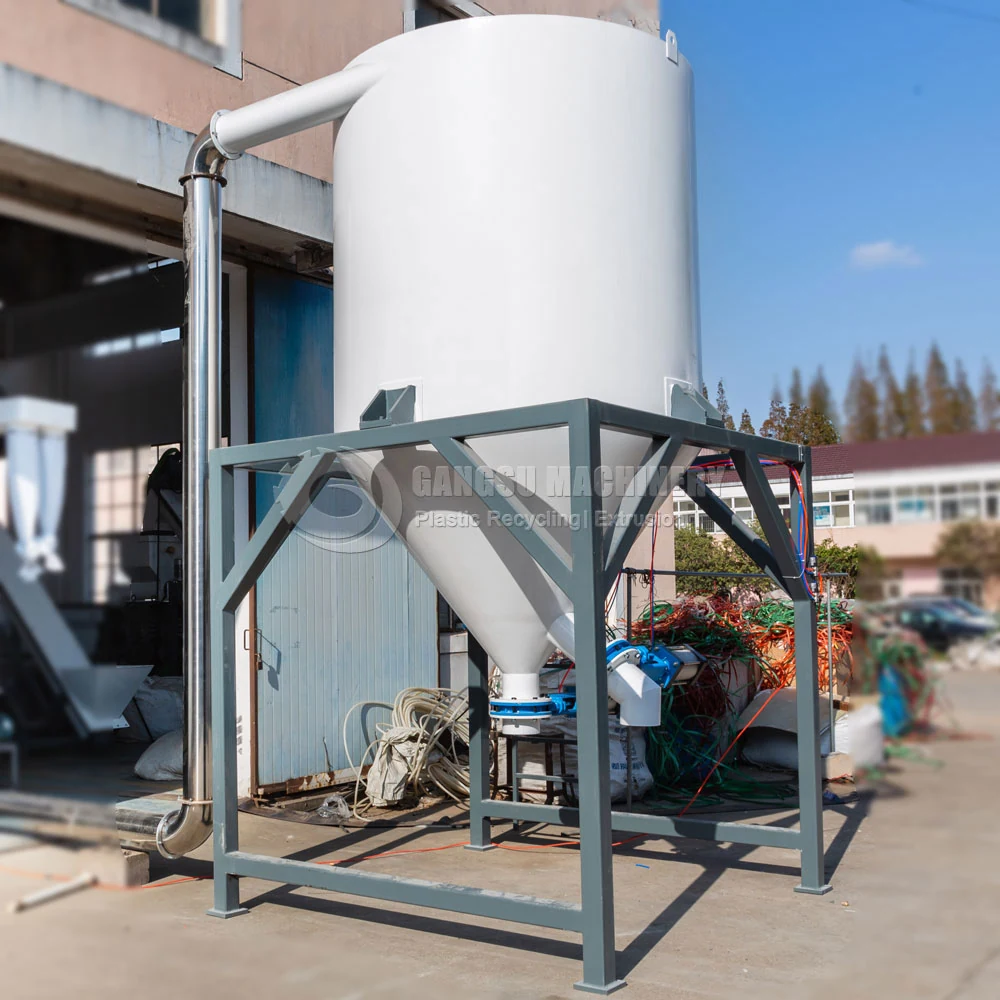
Silo
07 · Finished-flake storage

Silo

Stores clean, dry film flakes before packing or transfer to pelletizing.
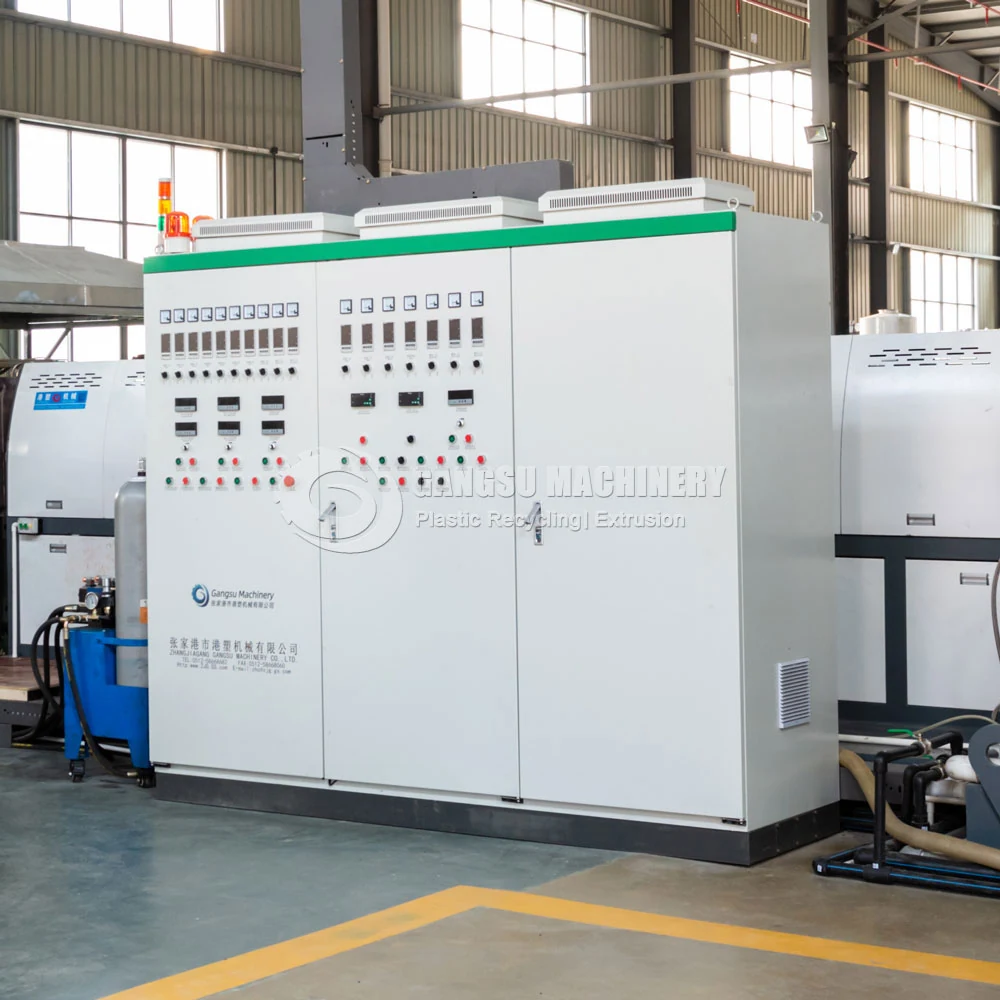
Control cabinet
08 · Line control

Control cabinet

Coordinates the washing line and gives operators visibility into each machine stage.

Parameter overview

Start with capacity. Confirm the utilities next.

These reference configurations give an early view of the space, power, staffing and water planning needed for an agricultural film washing project.
Output capacityInstallation powerFloor spaceOperatorsWater consumption
300 kg/h500 kW350 m²43 m³/h
500 kg/h620 kW460 m²64 m³/h
1,000 kg/h700 kW500 m²65 m³/h

Reference figures from standard agricultural film washing configurations. Actual requirements vary with contamination, material moisture, water-loop design and final output target.

Project support

From equipment selection to commissioning.

Material and contamination reviewLayout, utilities and water-loop planningOperation guidance and spare-parts support