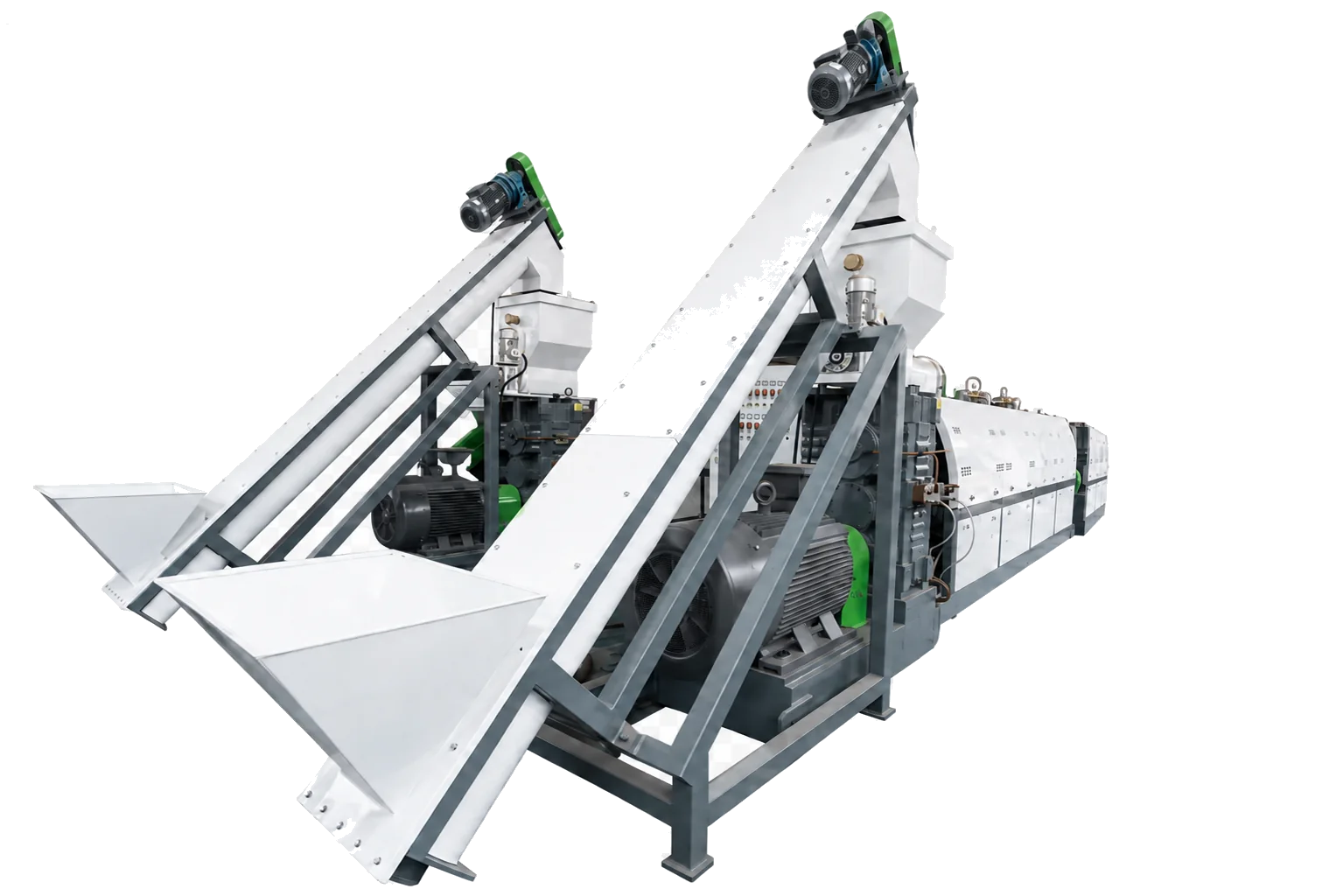
Capacity: 450–600 kg/hStages: Two-StageCutting: Water Ring
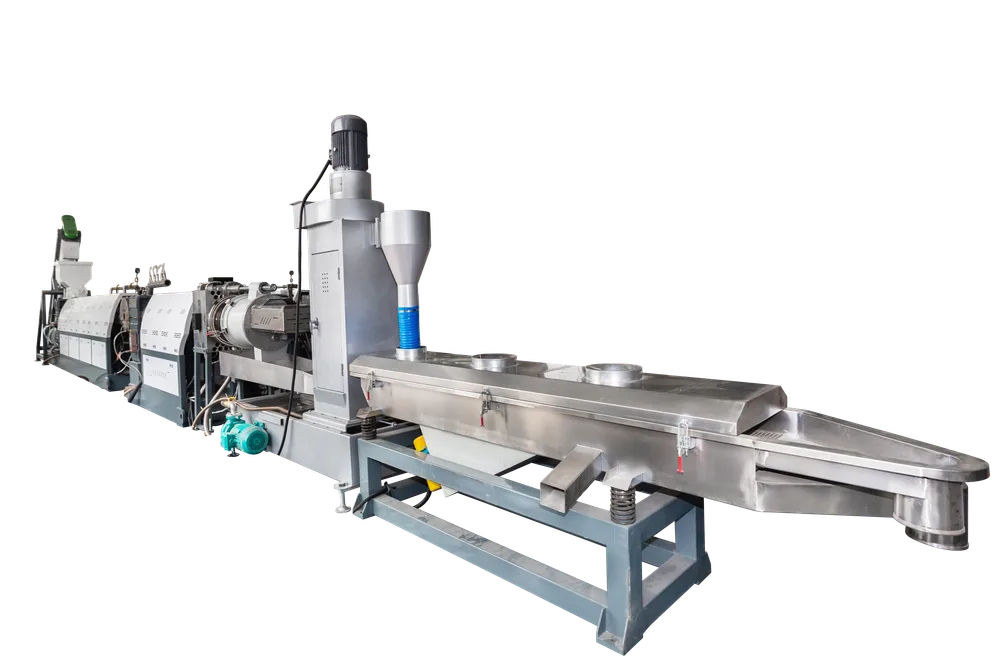
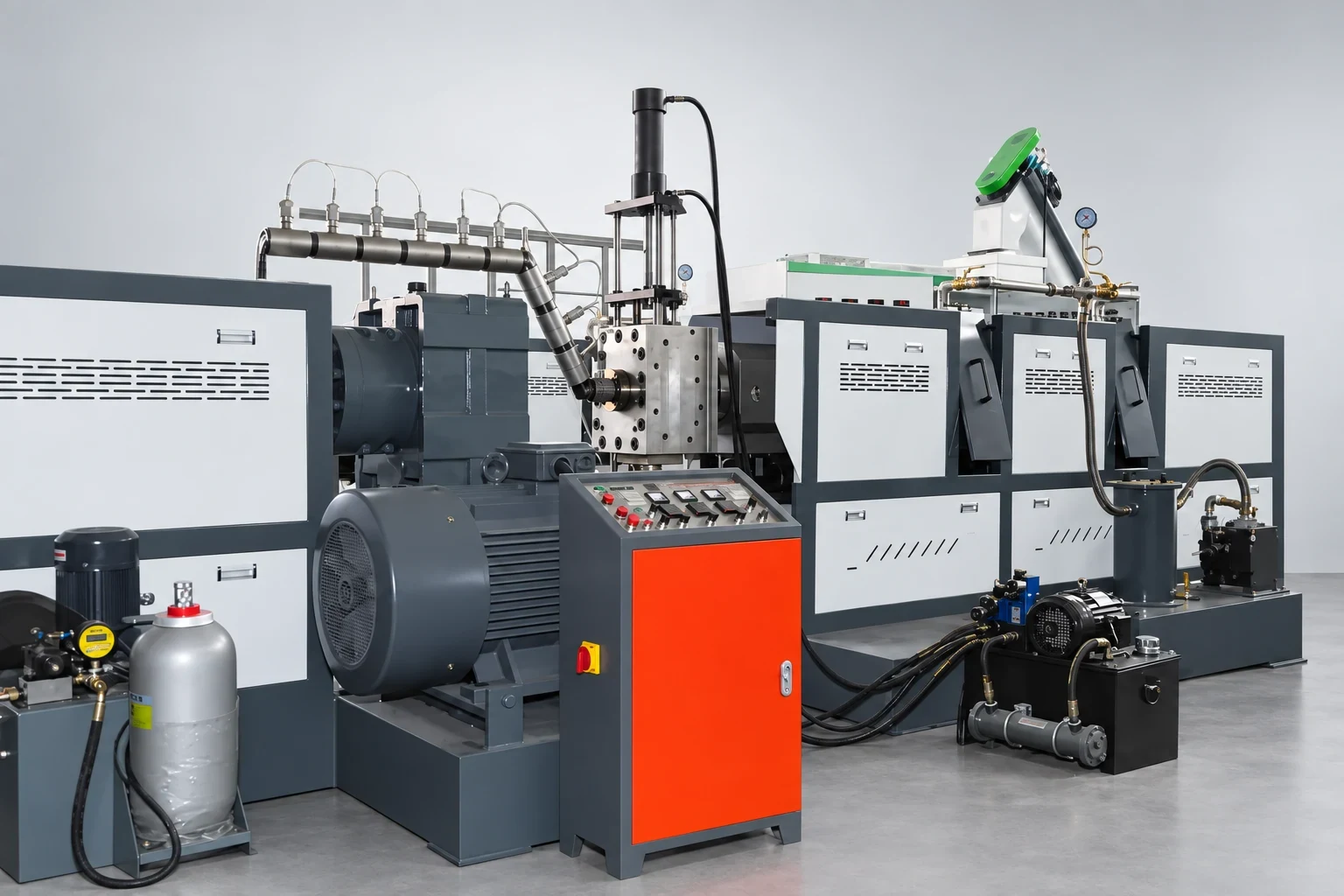
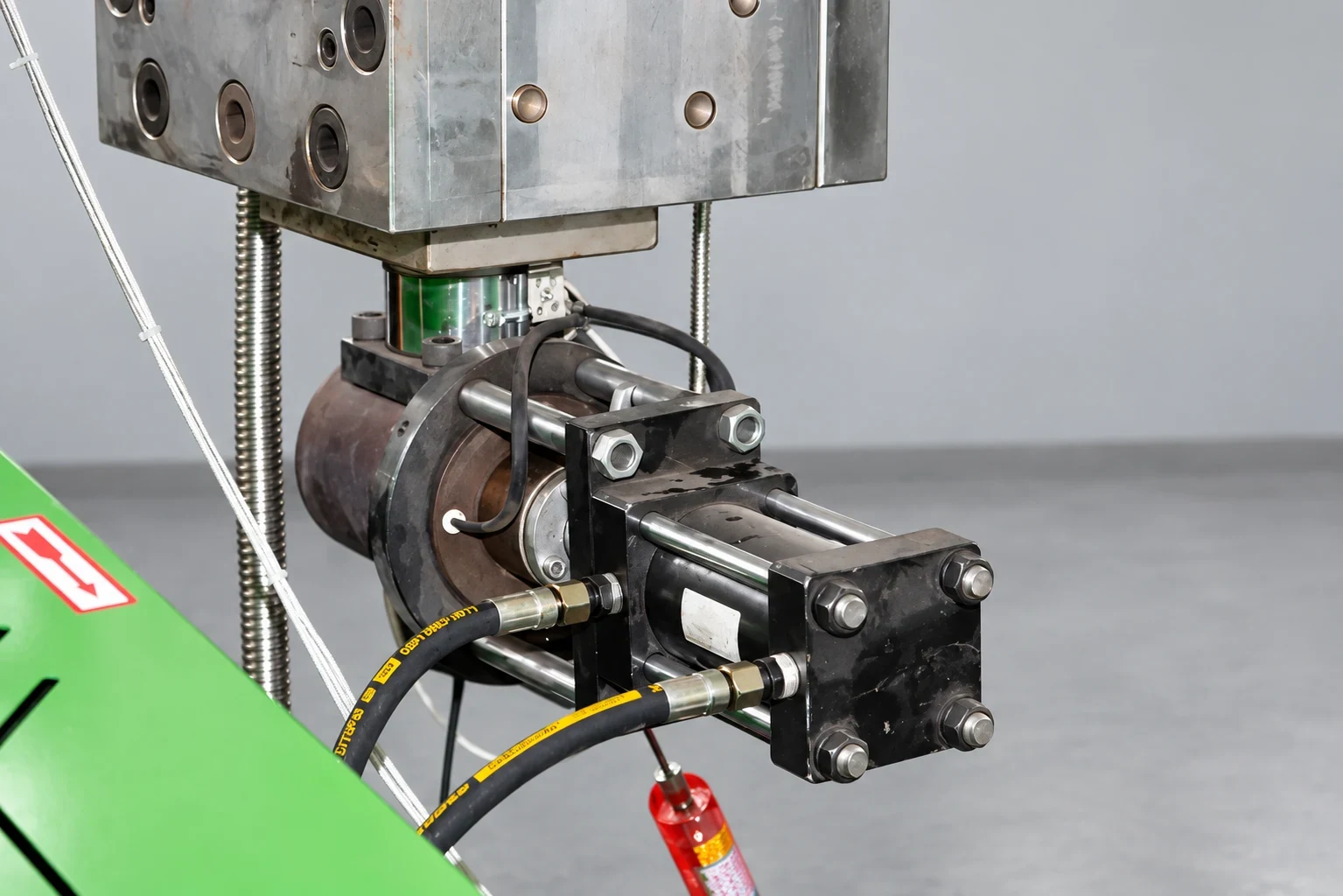
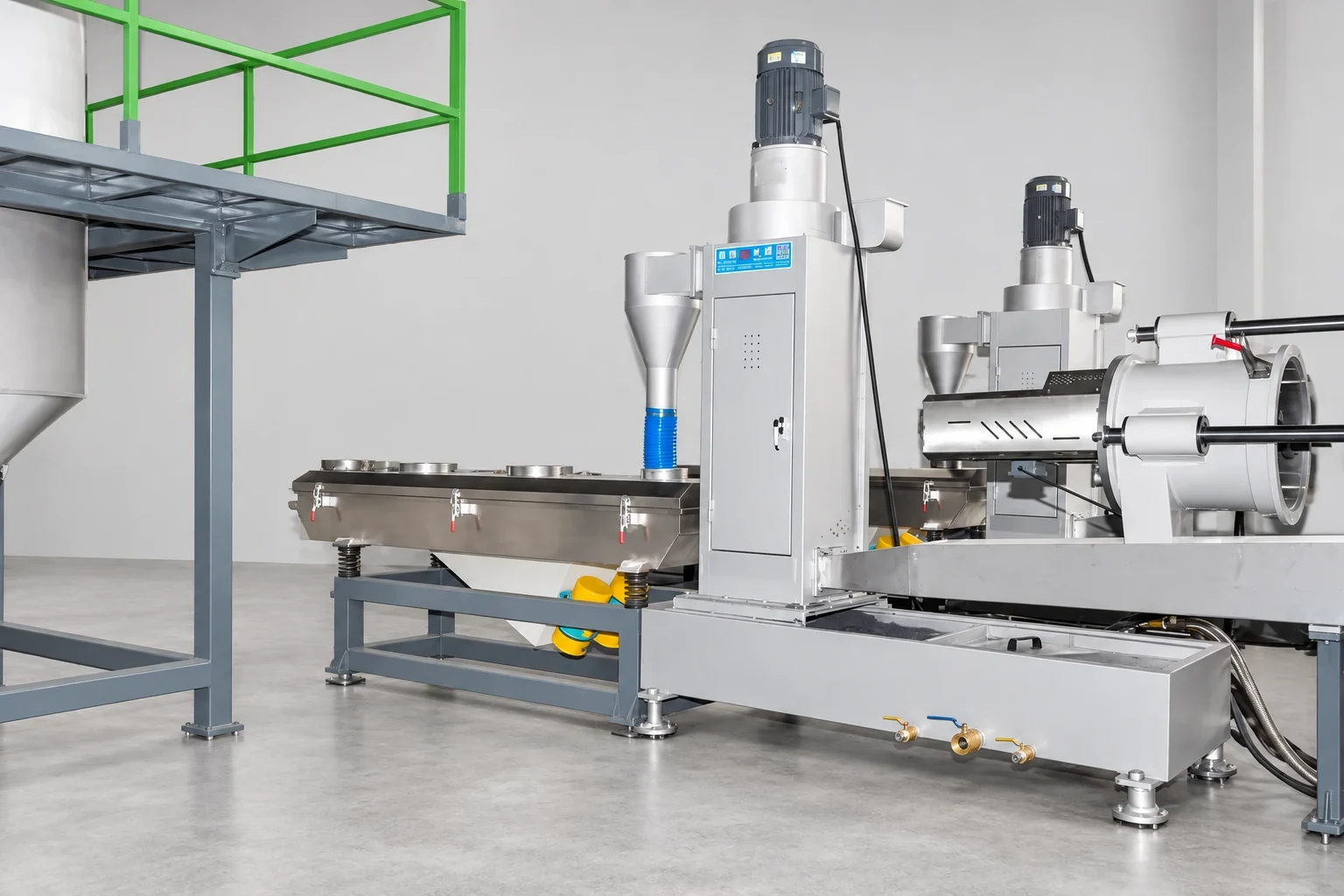
Rigid Plastic Pelletizing Line
450–600kg/h Reference Output
132 + 75kW Extrusion Power
368kW Installed Power
~65%Typical Power Draw
Input & Output
Prepared rigid regrind becomes recycled pellets.
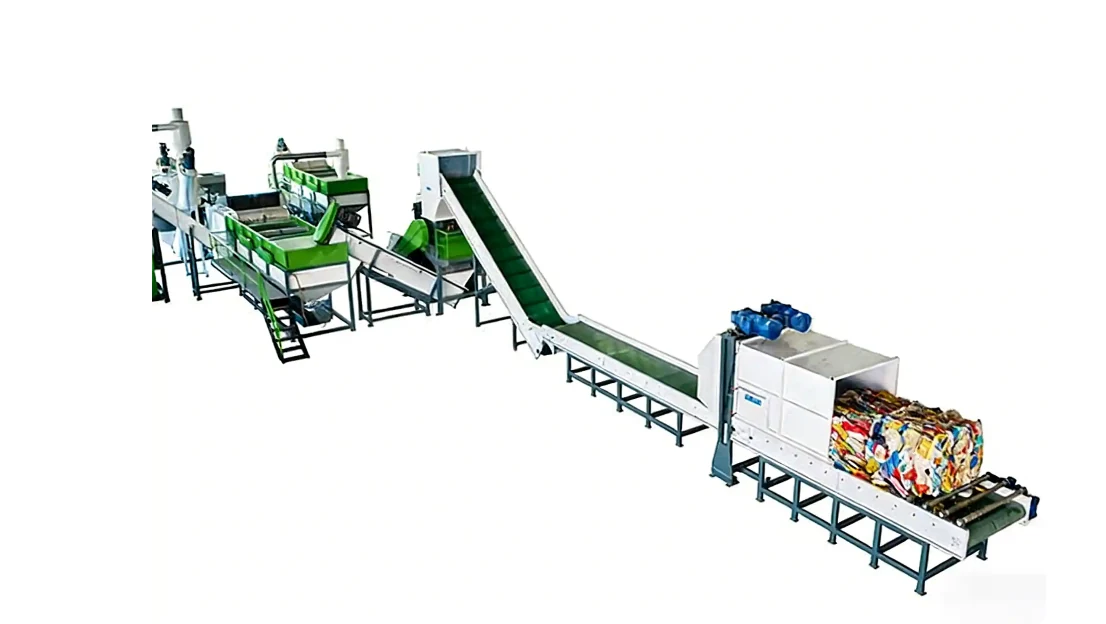
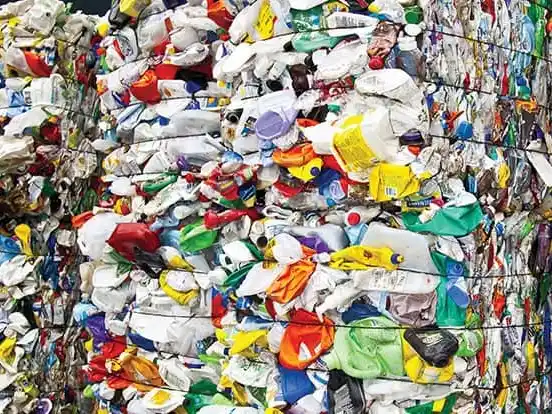
The reference configuration processes rigid HDPE/PP flakes or regrind. Sorting, washing and drying are selected upstream according to the incoming material.
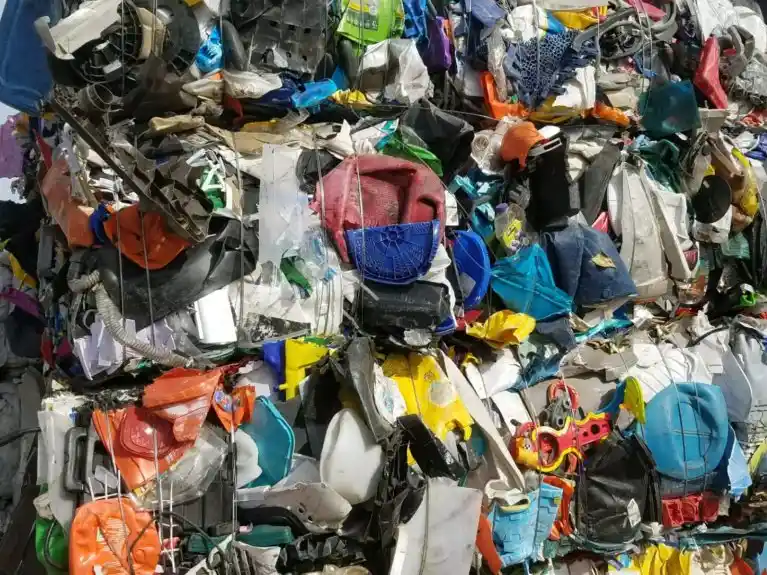
PP Scrap
Prepared caps, crates and rigid-part regrind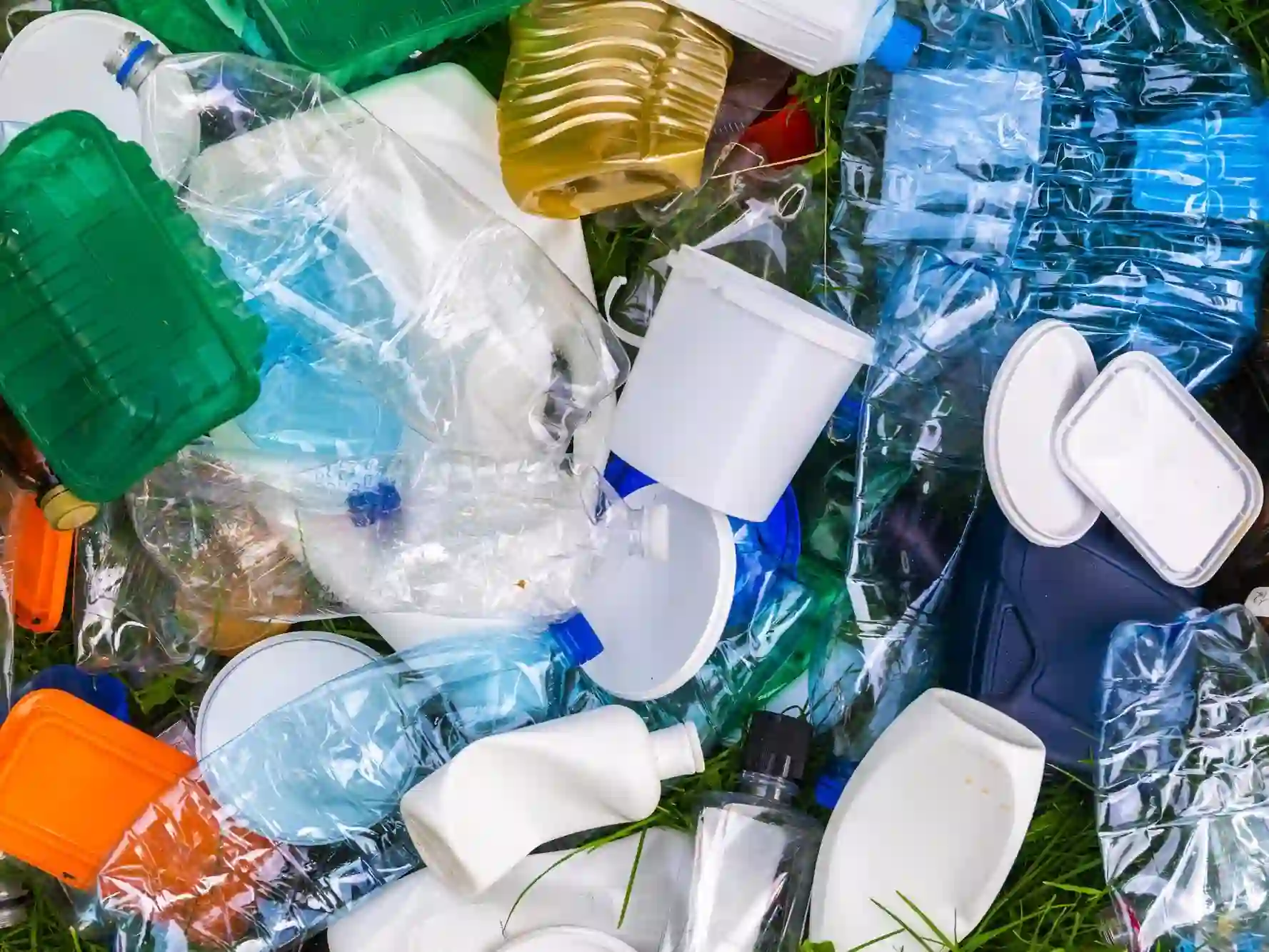
Rigid Recycling Flakes
Suitable sorted HDPE/PP flakes
Recycled Pellets
For the confirmed downstream application-
Screw Loading & Metering
→ -
Primary Extrusion & Degassing
→ -
First Melt Filtration
→ -
Secondary Extrusion
→ -
Second Melt Filtration
→ -
Water-Ring Pelletizing
→ -
Dewatering & Screening
→ -
Silo Collection
Machine modules
The equipment behind the pelletizing route.
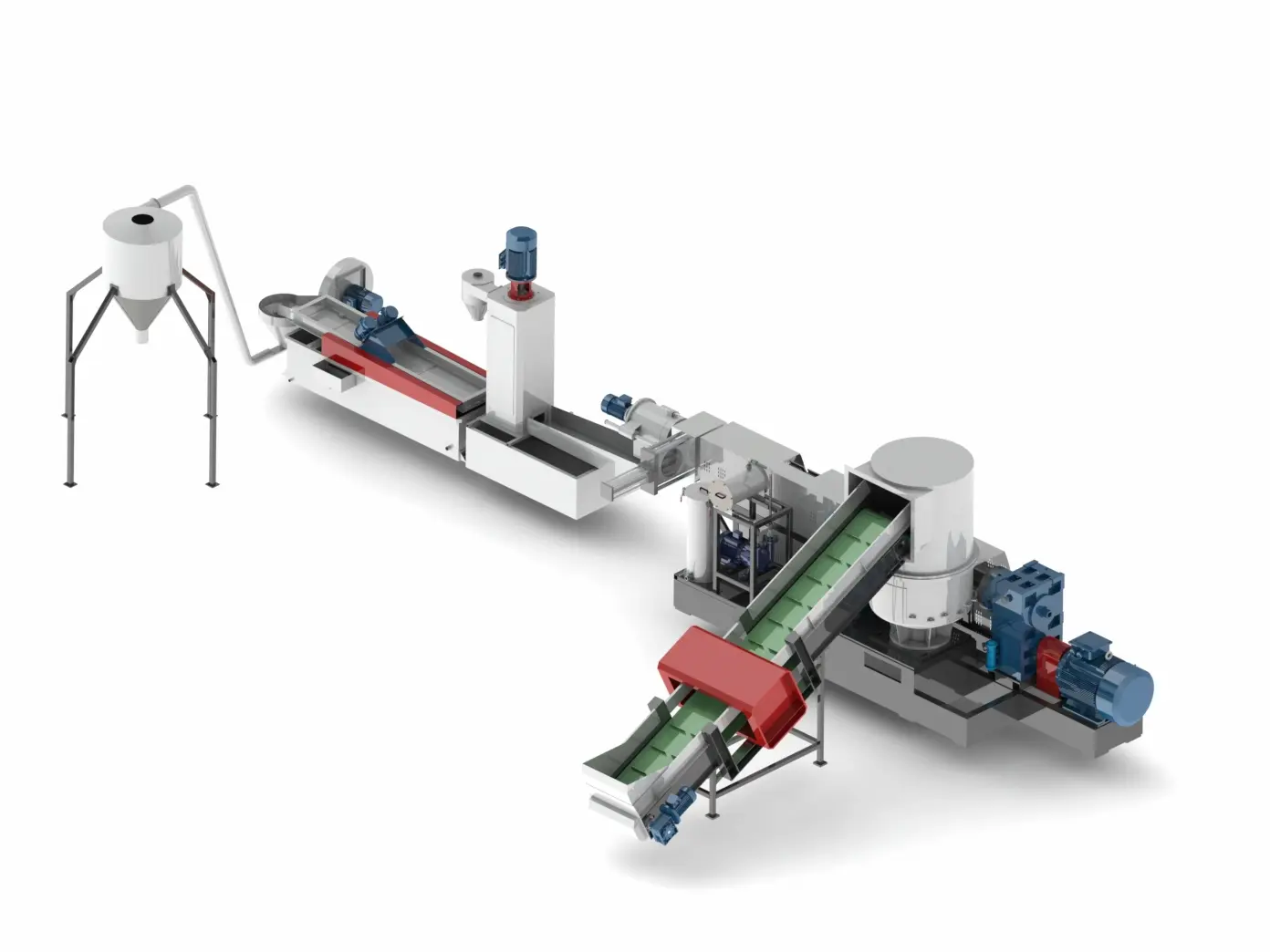
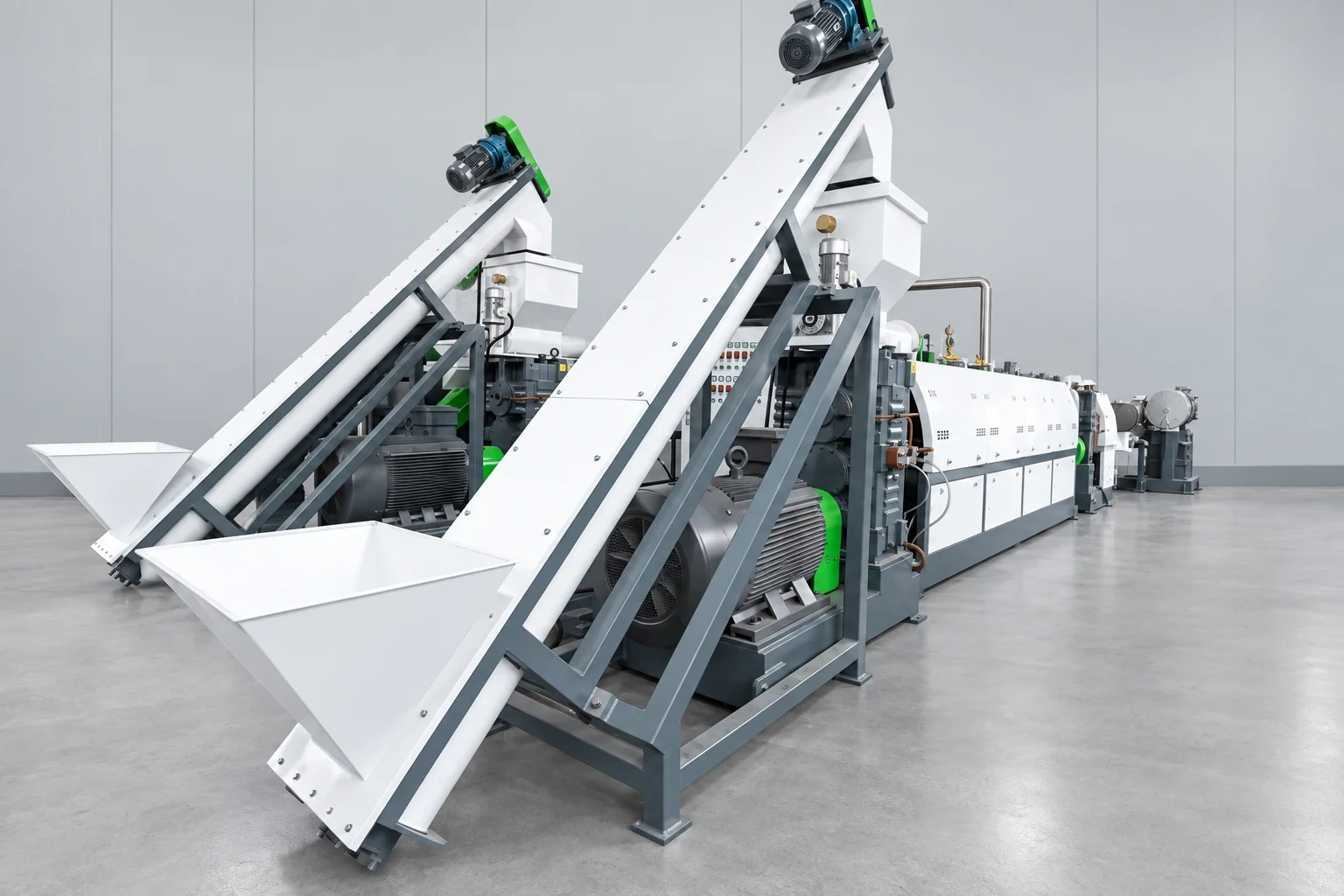
Reference GS150 + GS160 modules for controlled feeding, extrusion, filtration, pellet finishing and line control.
01
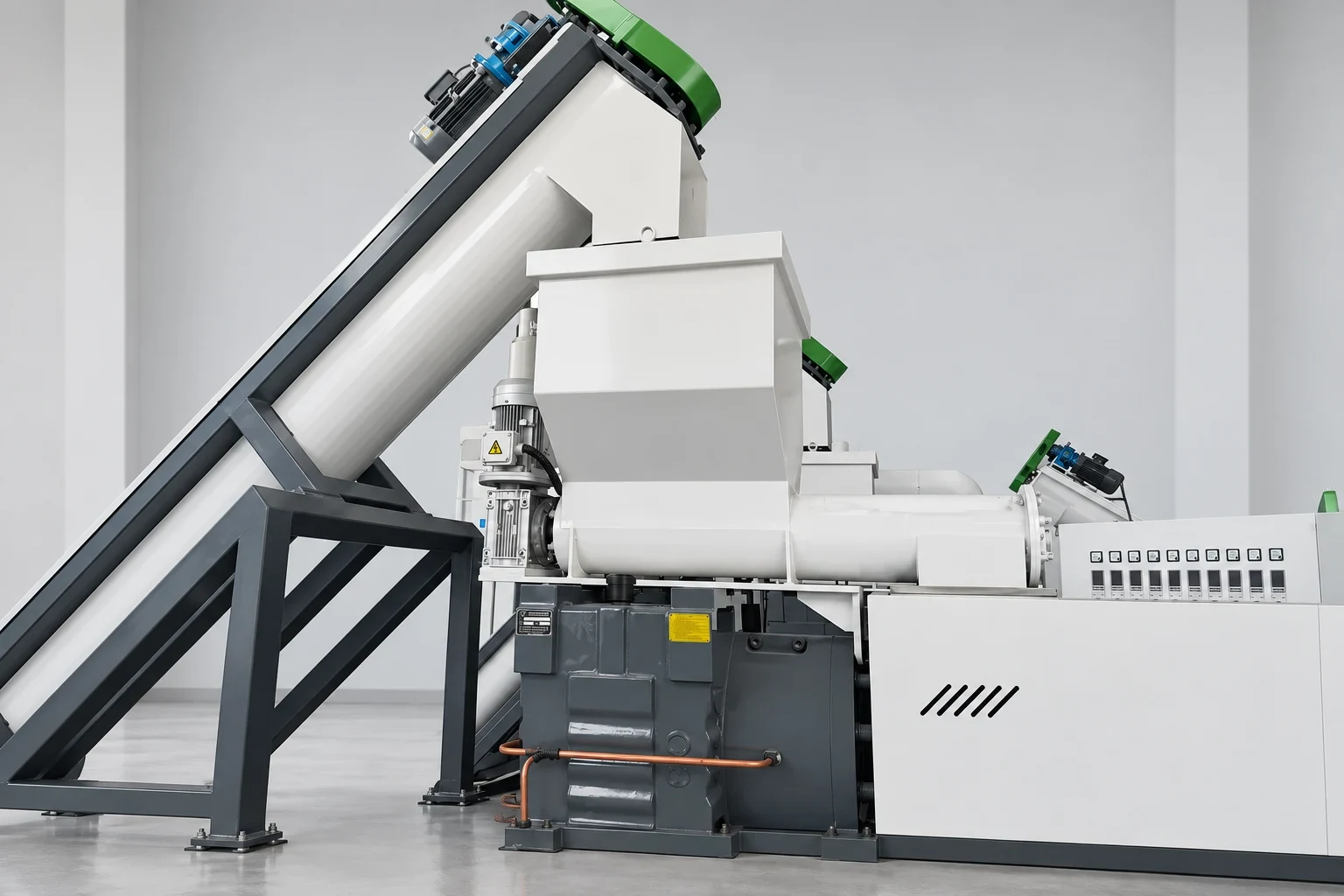
Screw Loader & Metering Feeder
A screw loader and VFD quantitative metering feeder deliver a controlled, stable feed to the extruder.
02
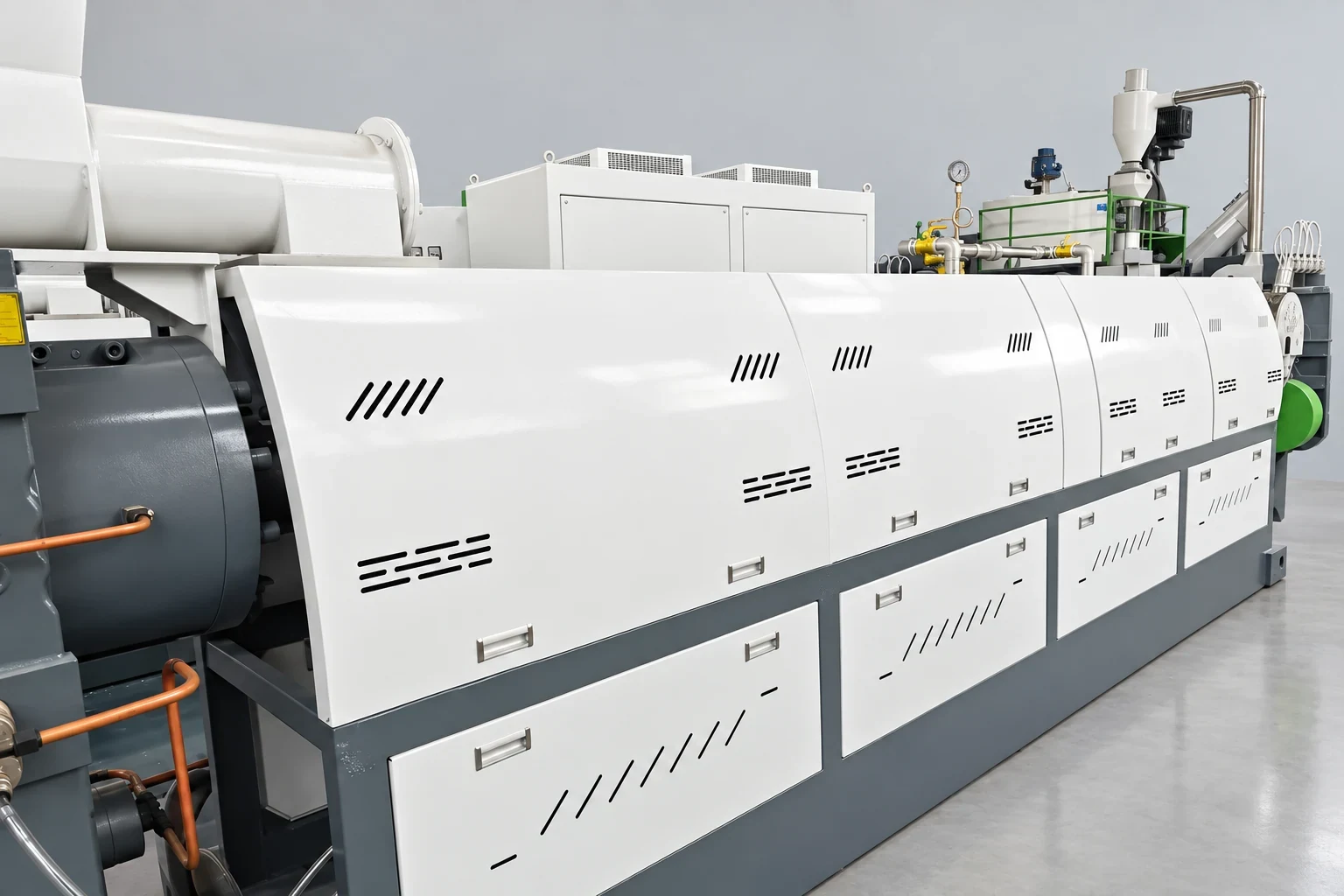
Quantitative Metering
The metering feeder buffers prepared rigid regrind and controls the feed rate into the primary extrusion stage.
03
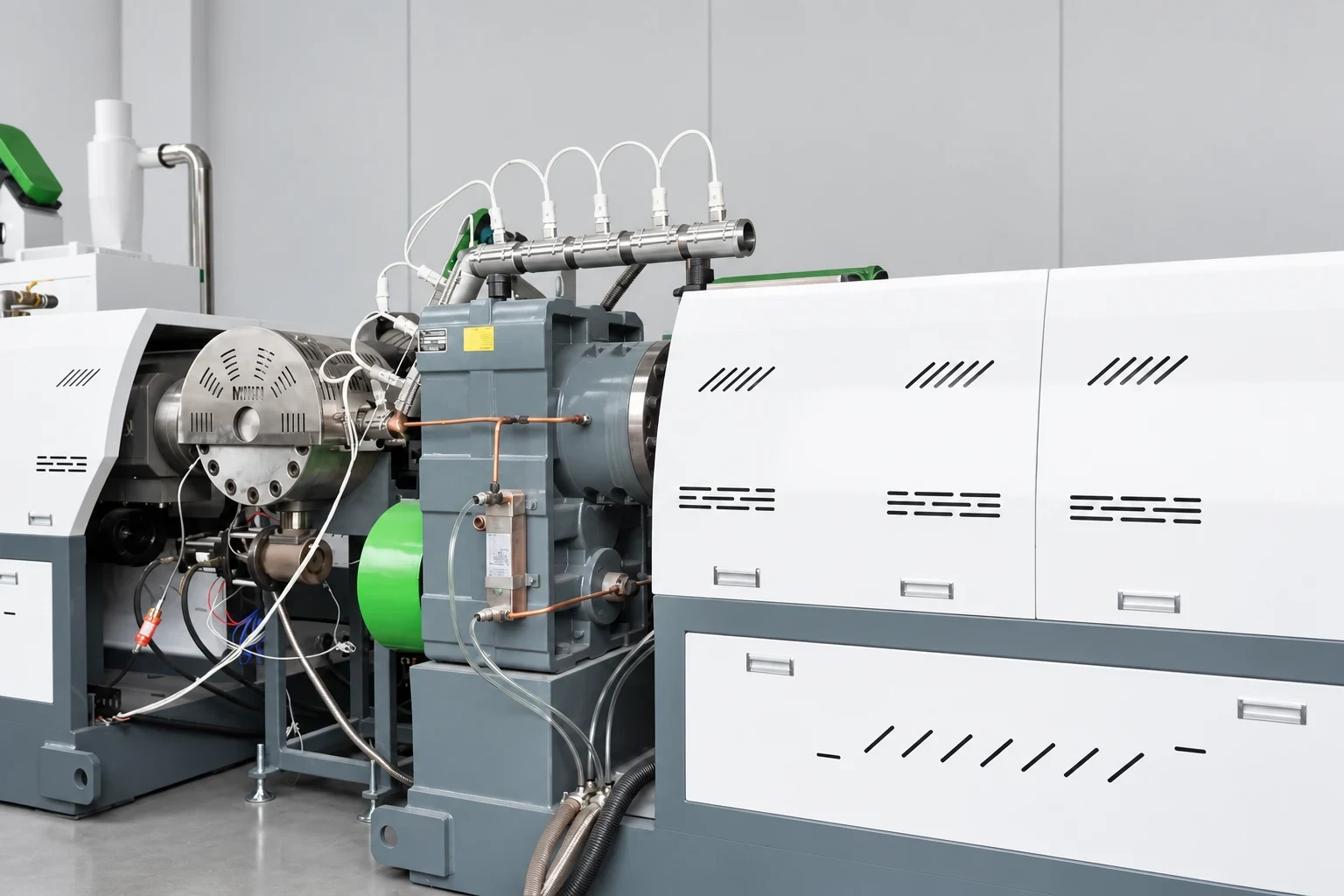
GS150 Primary Extruder
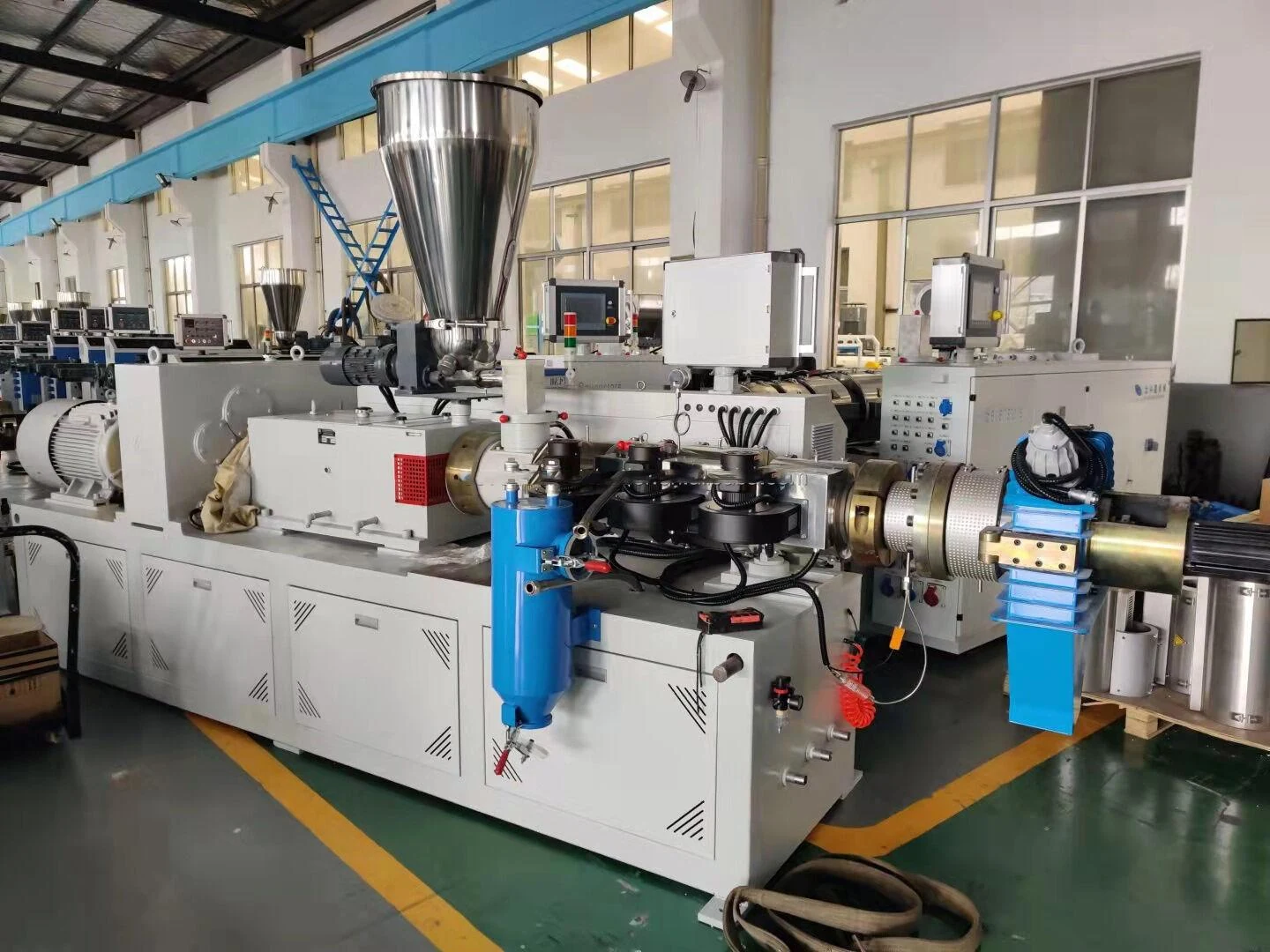
Ø150 mm screw, L/D 30:1 and dual vacuum venting melt and degas the material. Reference main motor: 132 kW.
04
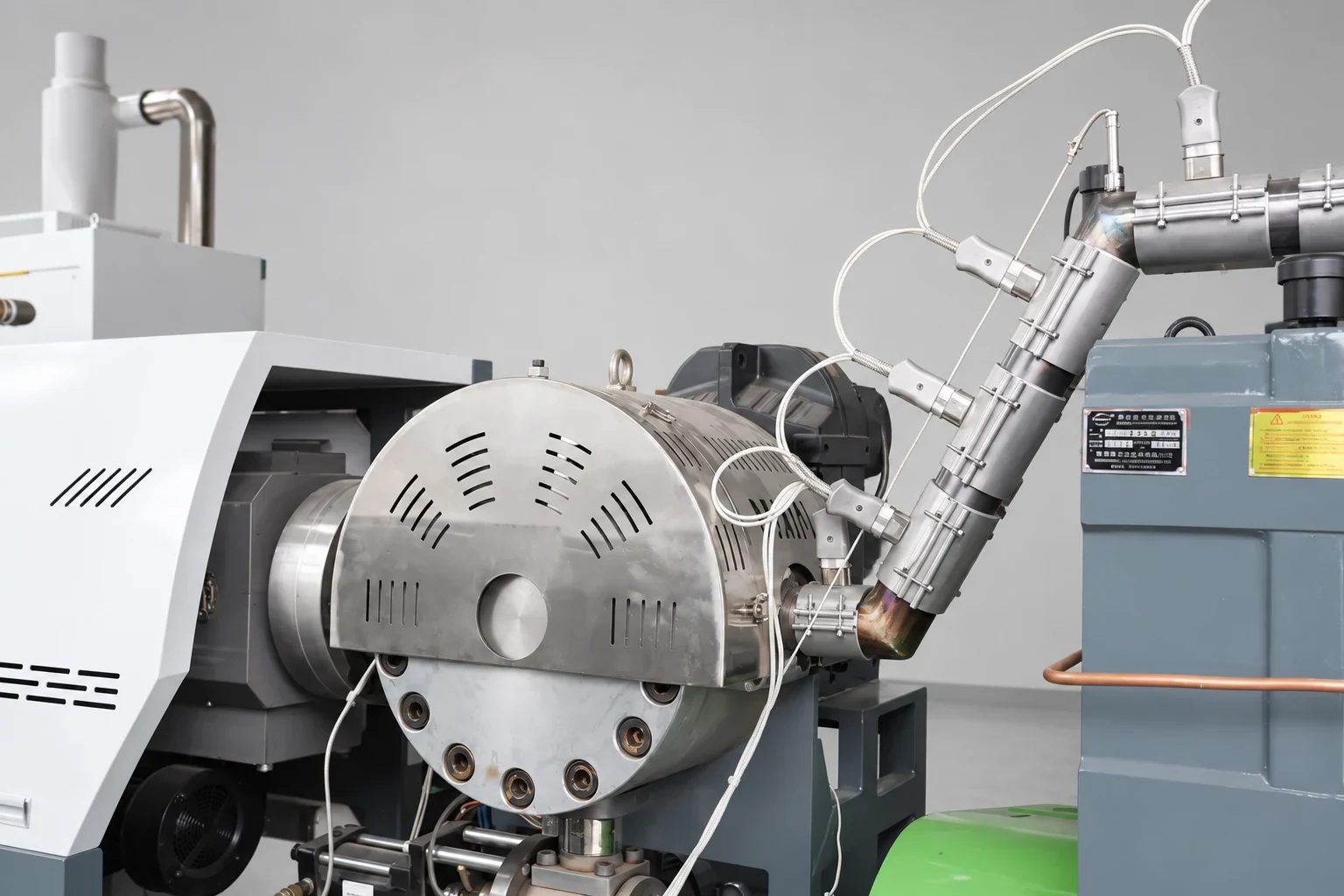
GS160 Secondary Extruder
Ø160 mm screw, L/D 10:1 and 75 kW reference motor provide the second extrusion stage before final filtering and pellet cutting.
05
Two-Stage Hydraulic Filtration
Two Ø350 hydraulic screen changers filter the melt after each extrusion stage.
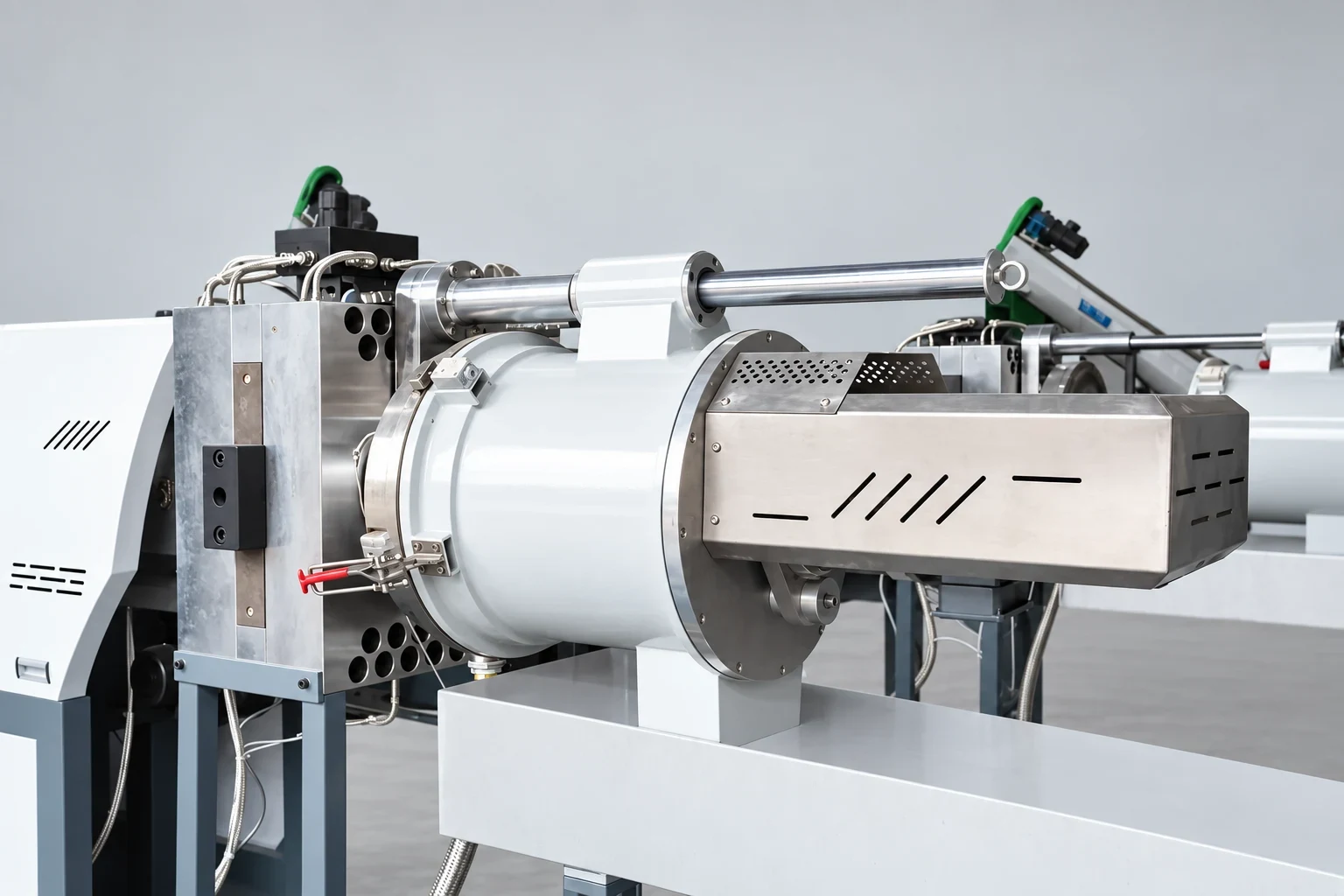
06
Horizontal Water-Ring Pelletizer
Water-ring die-face cutting cools the pellets before downstream water separation.
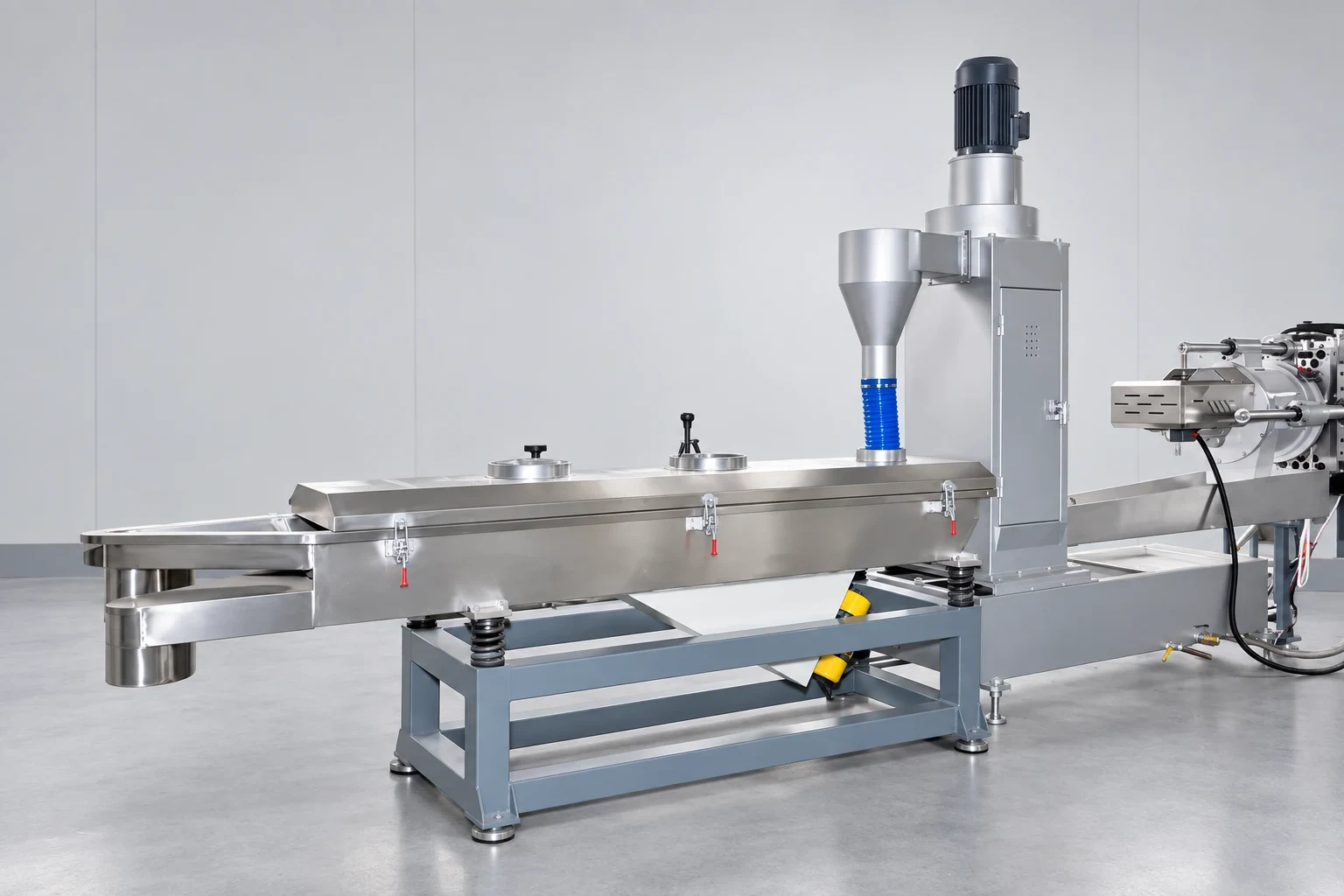
07
Pellet Dewatering & Screening
Vertical dewatering and a double-layer vibrating sieve remove cooling water, fines and oversized pellets before collection.
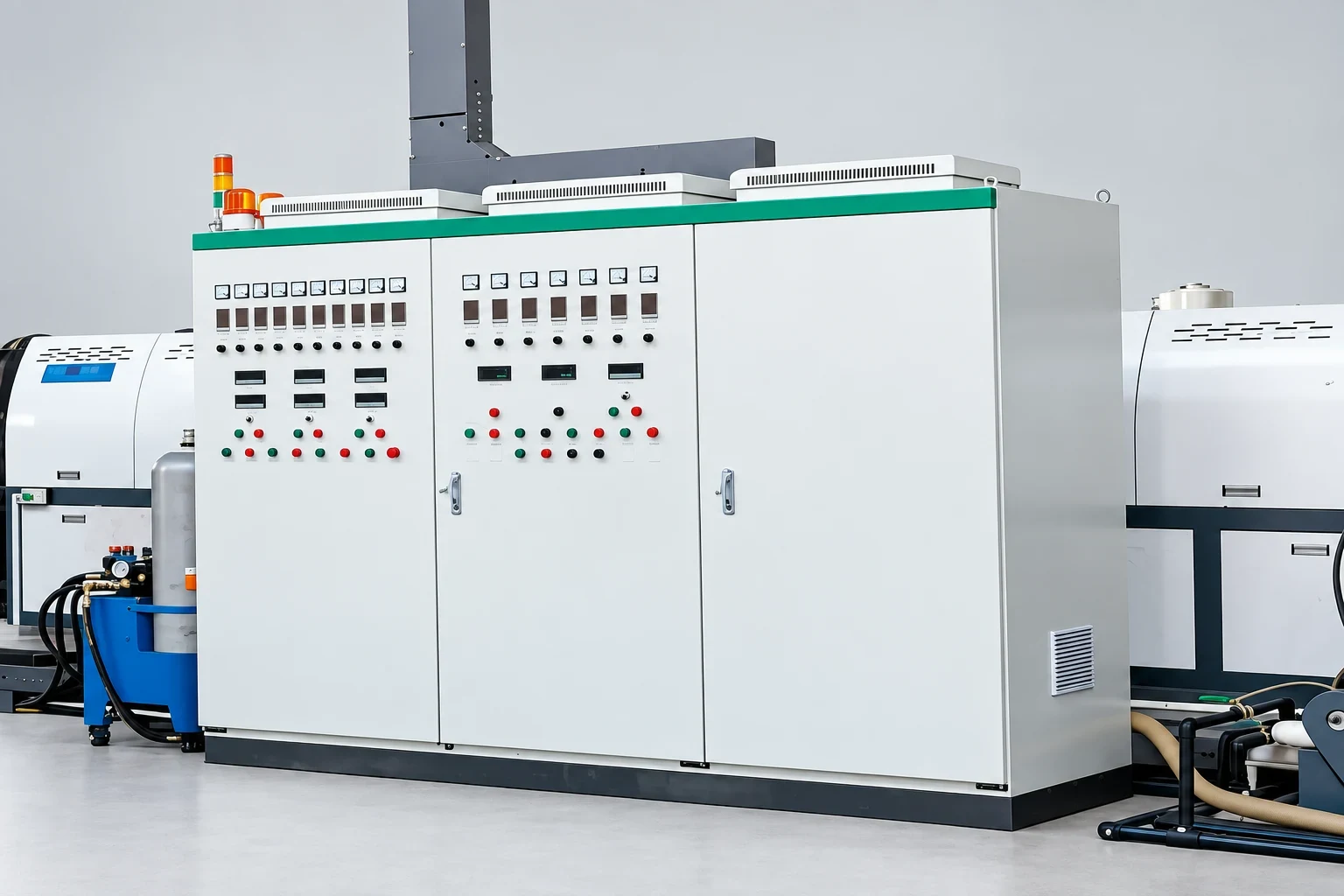
08
Electrical Control Cabinet
Interlocked line controls coordinate feeding, temperature, extrusion and pellet handling.
FAQ
Frequently Asked Questions
Answers for HDPE/PP recyclers choosing a metering-fed double-stage pelletizing system.
What is a metering-fed double-stage pelletizing line?
It is a rigid plastic pelletizing line that uses a Ø260 screw loader and a Ø150 VFD quantitative metering feeder to feed a GS150 primary extruder (L/D 30:1) followed by a GS160 secondary extruder (L/D 10:1), with two-stage hydraulic filtration and water-ring pelletizing. The reference configuration produces 450–600 kg/h.
Why use two extrusion stages for rigid HDPE/PP?
The primary stage melts and degasses the prepared rigid feed. The second stage re-plasticizes the melt and stabilizes pressure before the second filtration stage and pelletizing. Equipment selection is matched to the material and required output.
What feeding and metering does the line use?
A Ø260 screw loading conveyor feeds washed/dried rigid flakes or regrind to a Ø150 quantitative metering feeder with VFD control and a rotary level sensor interlocked with the screw loader — ensuring a controlled, stable feed rate.
How is melt filtered?
Two Ø350 single-plate dual-position hydraulic screen changers (one after each extrusion stage) filter solid contaminants and gels. Both share one hydraulic station. Screen-changing operation and maintenance follow the supplied equipment procedure.
How are the pellets finished?
A horizontal water-ring pelletizer cuts the melt at the die face, then a Ø320 vertical dewatering machine separates the cooling water and an 800 double-layer vibrating sieve removes fines and oversized pellets before pneumatic conveying to a product silo.
What is the installed power and energy use?
The reference line has a total installed power of approximately 368 kW, with typical actual energy consumption at about 65% of installed power depending on material and operation.
What material grades can it produce?
The line produces recycled pellets for downstream extrusion, molding or compounding. Suitability for a final application depends on the feed polymer, contamination and confirmed pellet specification.
How much does a rigid plastic pelletizing line cost?
Price depends on configuration, extrusion size, filtration and pelletizing method. A machine-specific proposal is prepared from your material type and throughput objective — contact our engineering team.
Next Steps
Related Products
Build out your recycling system with complementary washing and pelletizing equipment.