PE Film
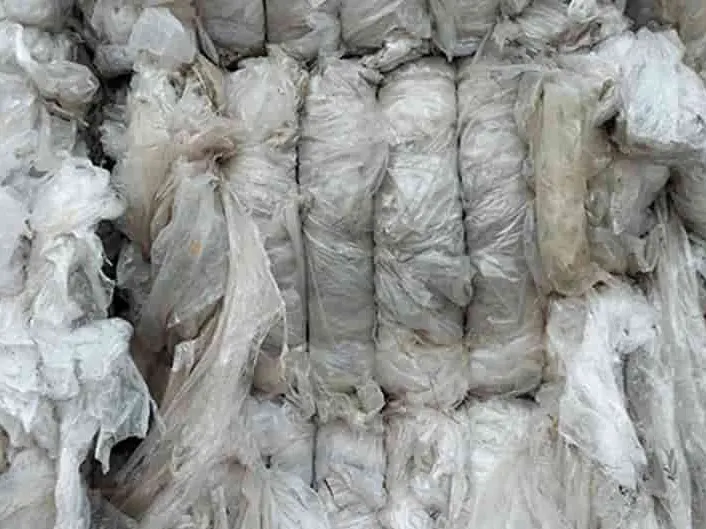
Prepared LDPE and HDPE film, packaging scrap and agricultural film; washing and drying are added when required by the feed condition.
Materials Processed
A cutter-compactor route for suitable PE/PP soft-plastic streams. Pretreatment and extrusion stages are matched to your feedstock.
Prepared LDPE and HDPE film, packaging scrap and agricultural film; washing and drying are added when required by the feed condition.
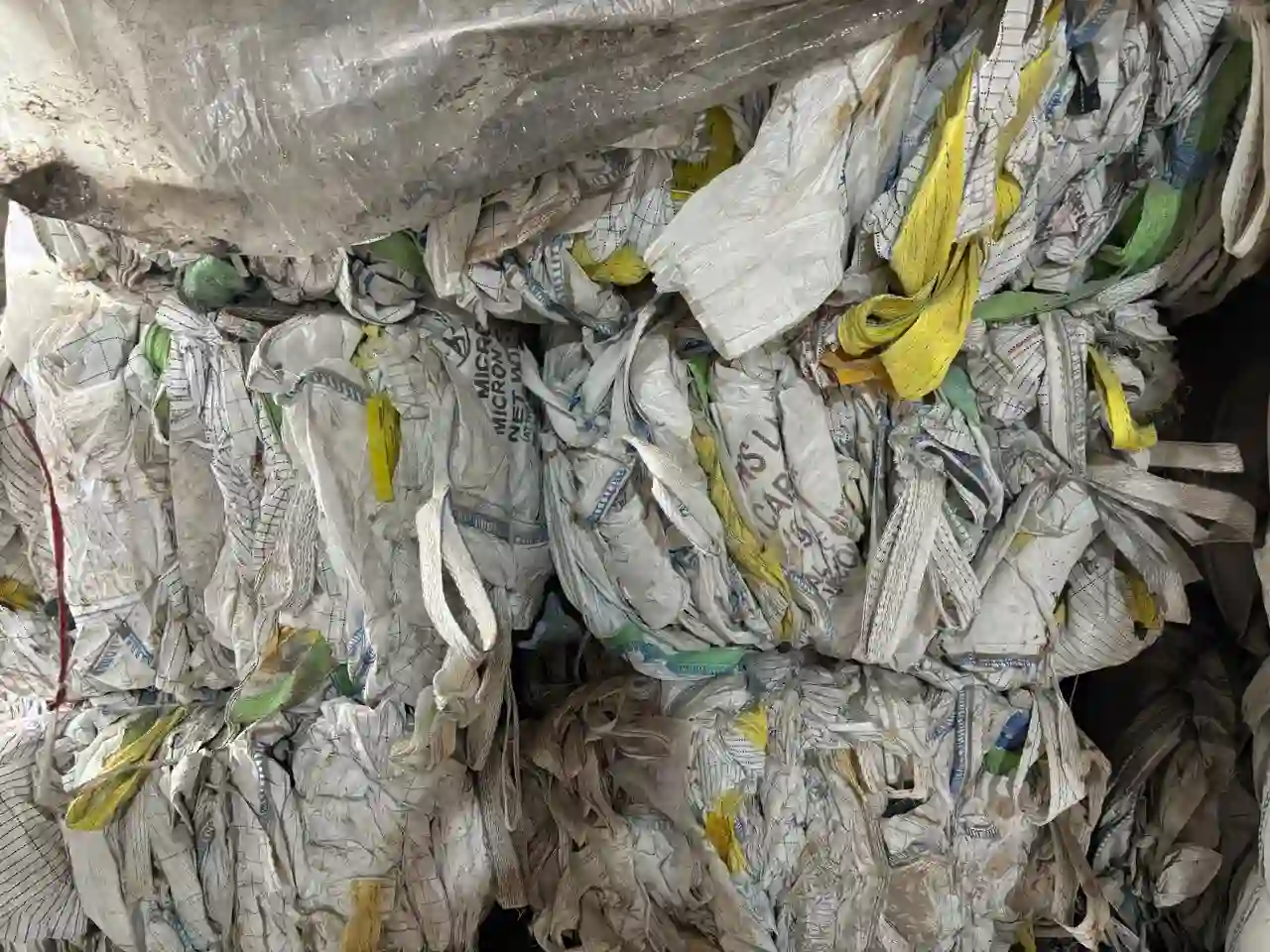
Sorted FIBC and bulk-bag scrap prepared for controlled feeding and cutter compaction.
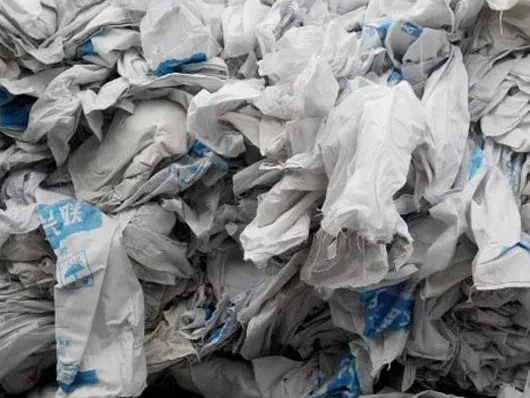
Prepared woven bags and packaging scrap, with extrusion and filtration selected around the material condition.
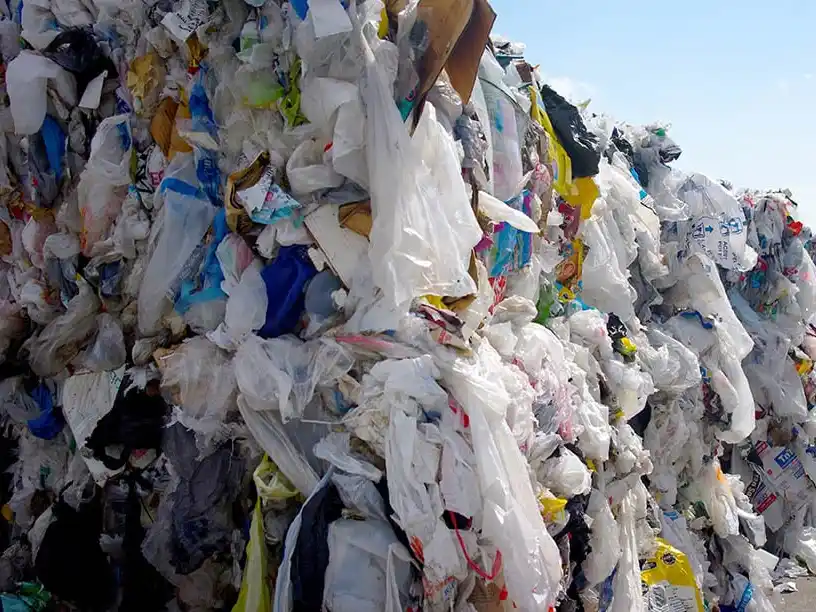
Film production trim and sorted soft-plastic scrap. Different polymers and contamination levels require an appropriate configuration.
Machine modules
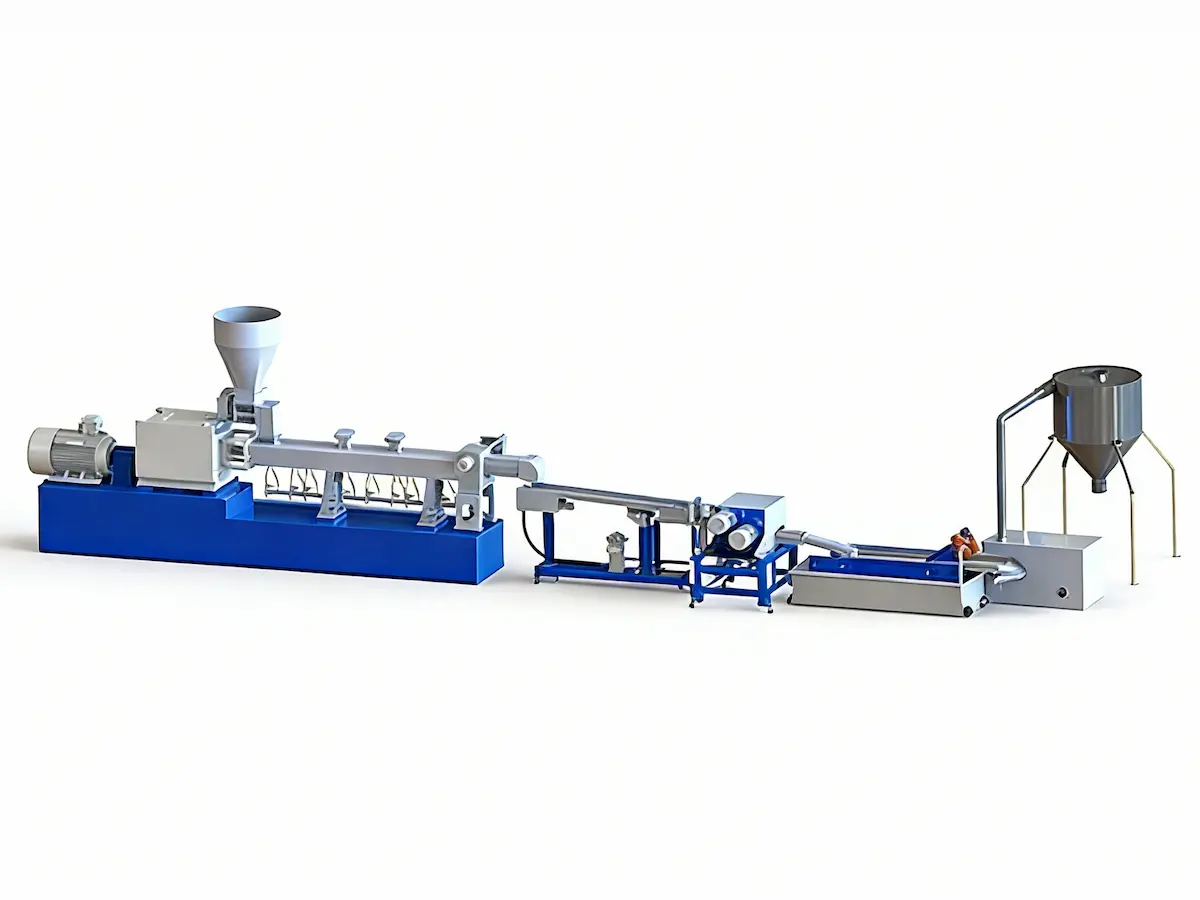
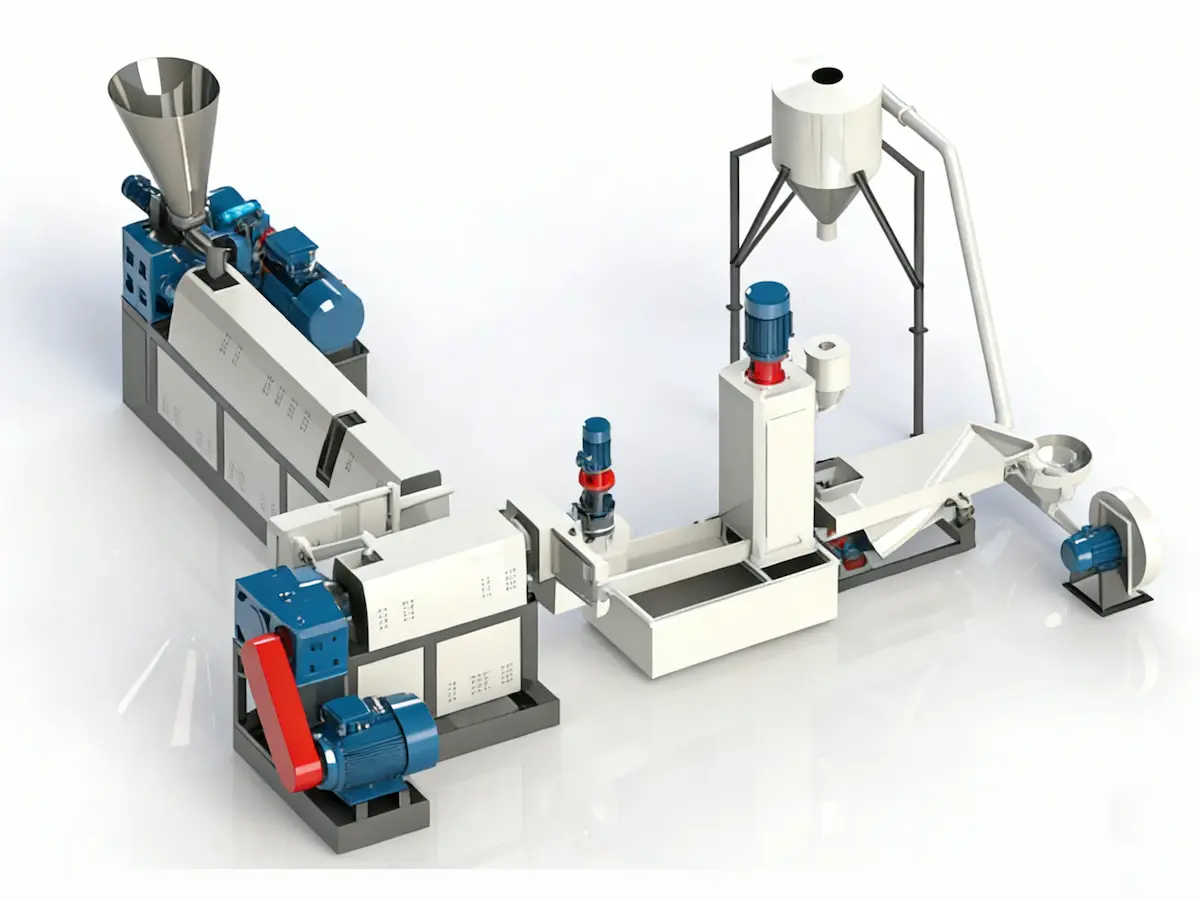
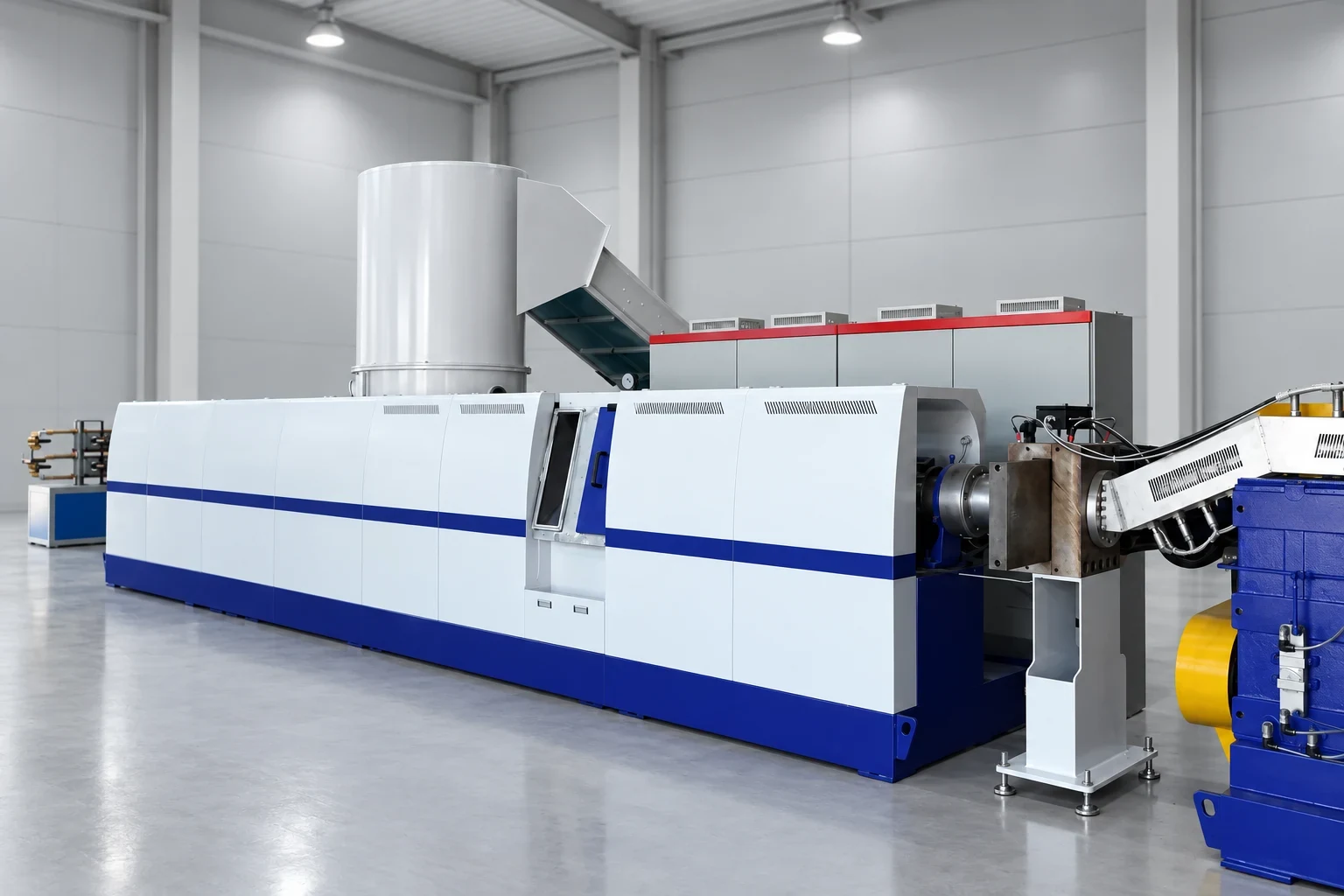
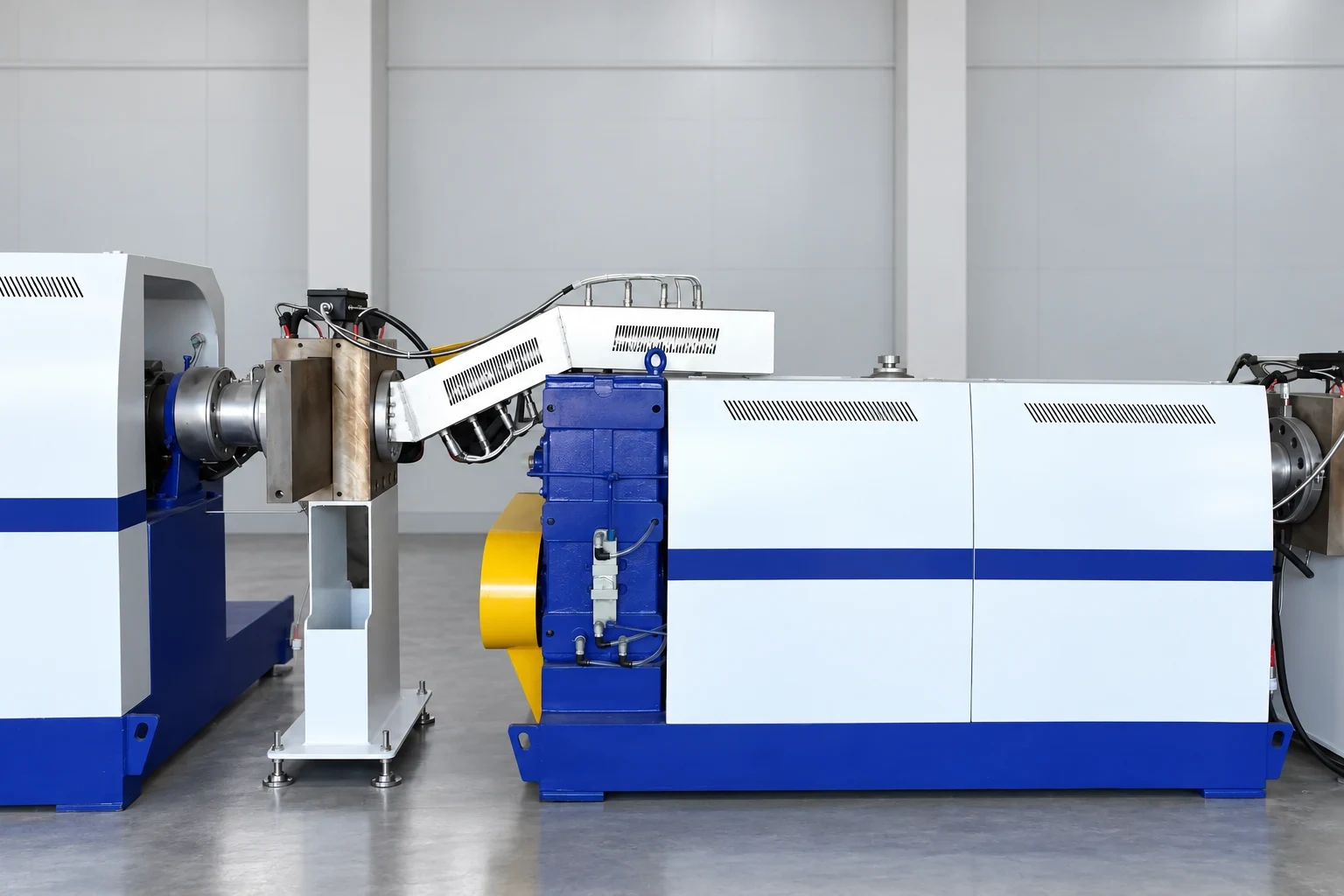
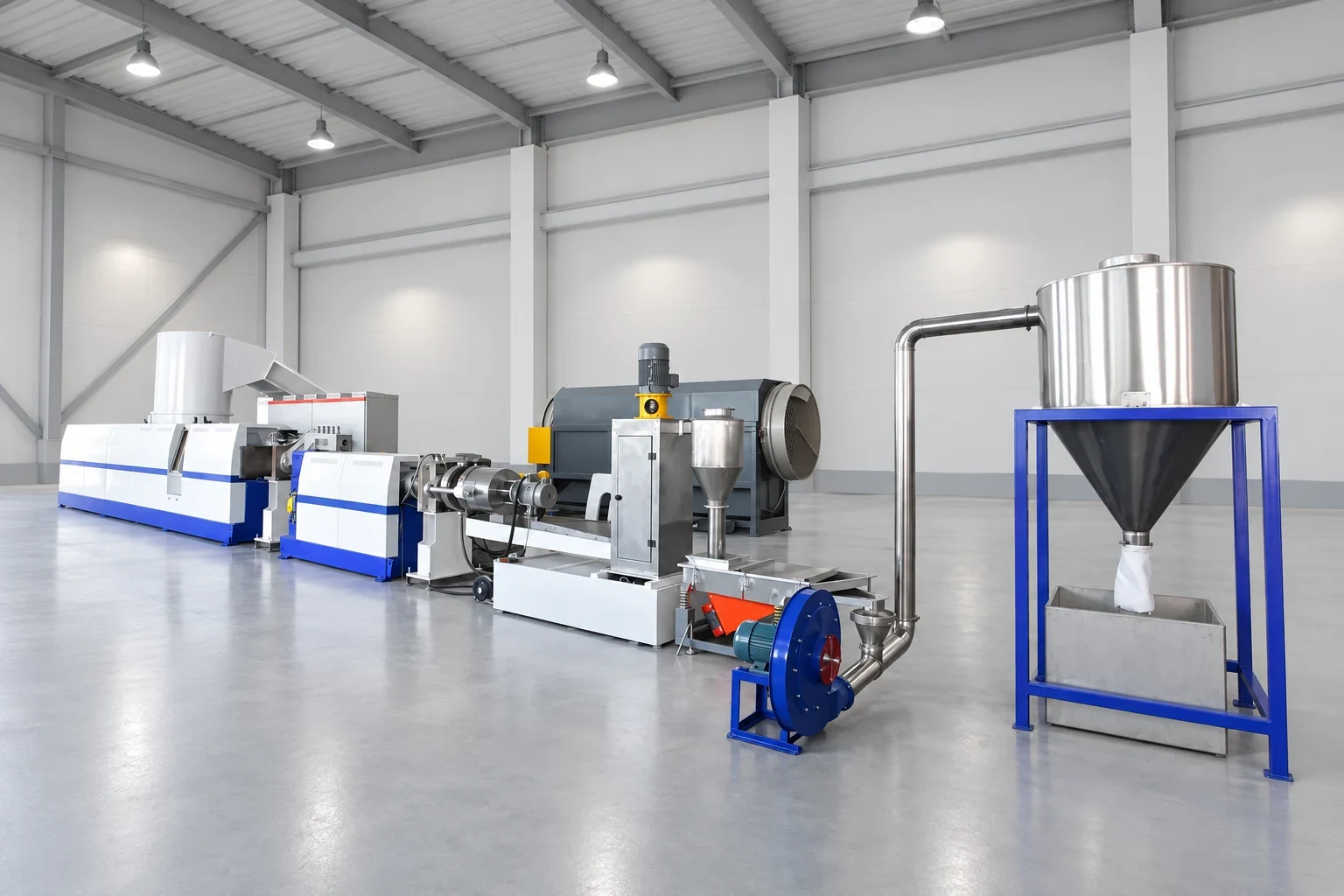
Integrated compaction, extrusion, filtration, water-ring cutting, dewatering and pellet collection.
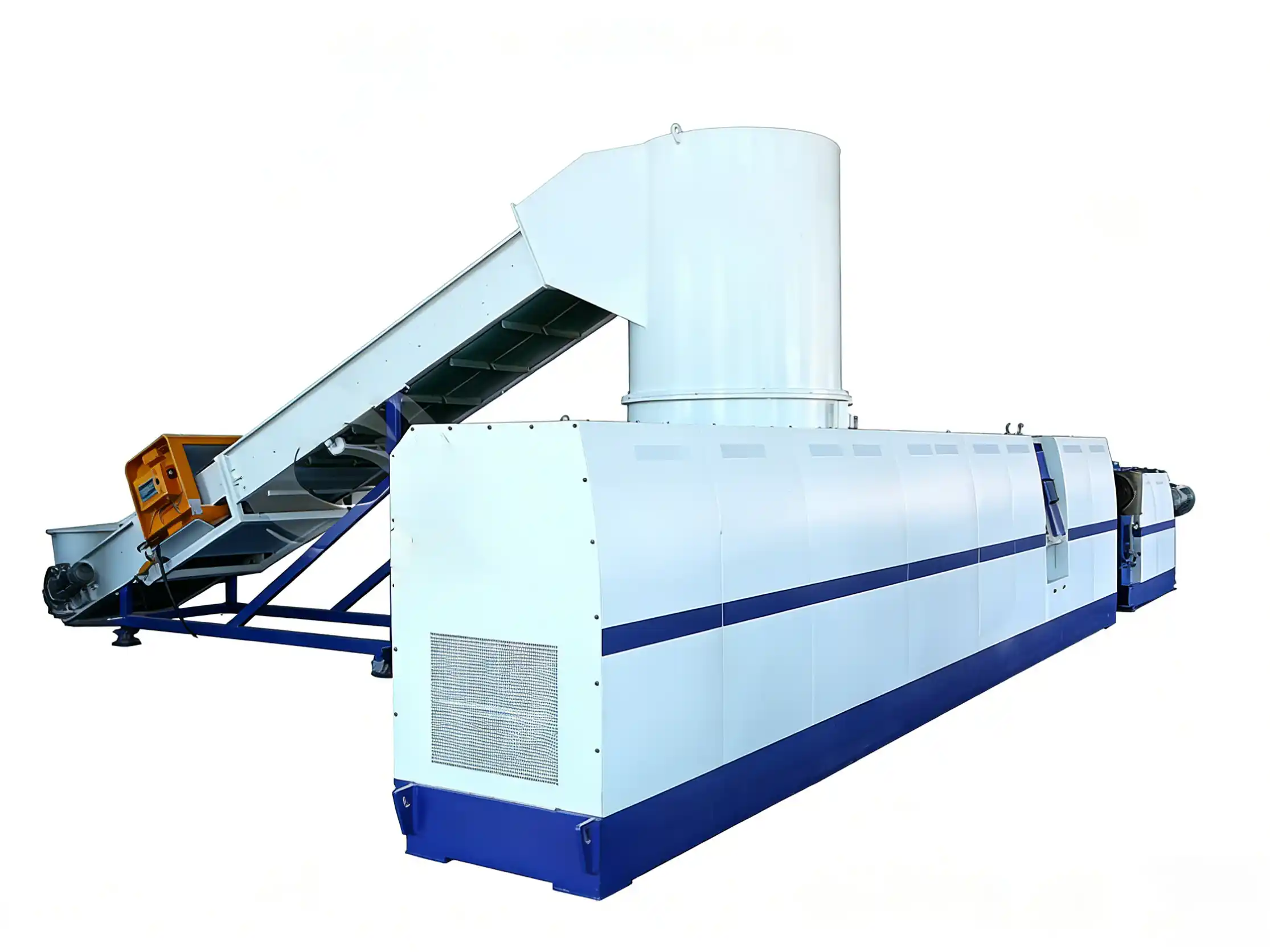
Cuts and frictionally compacts bulky film to create a denser feed for extrusion.
Melts the compacted feed with degassing. A second extrusion stage is available where the feed and pellet requirements call for it.
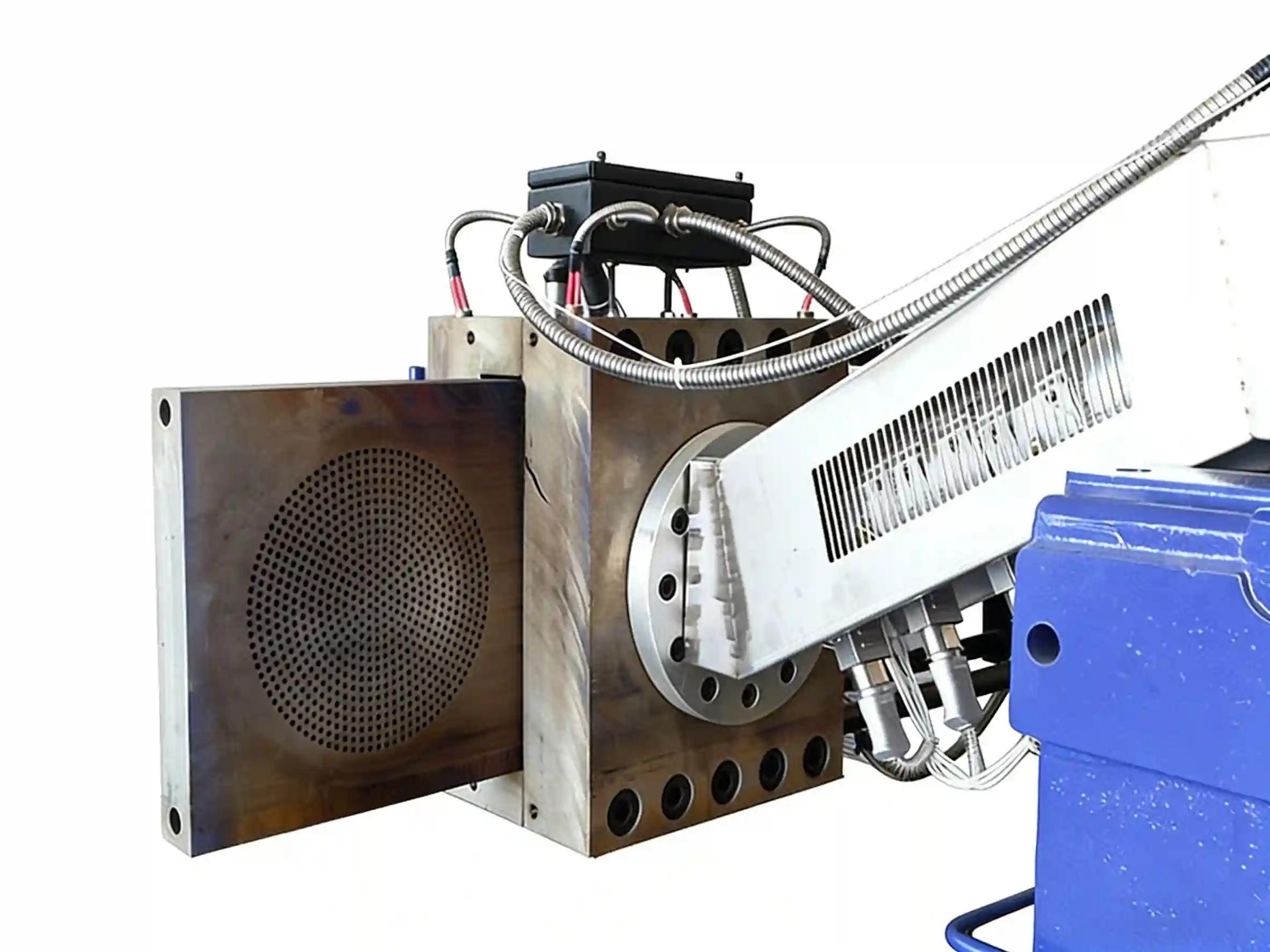
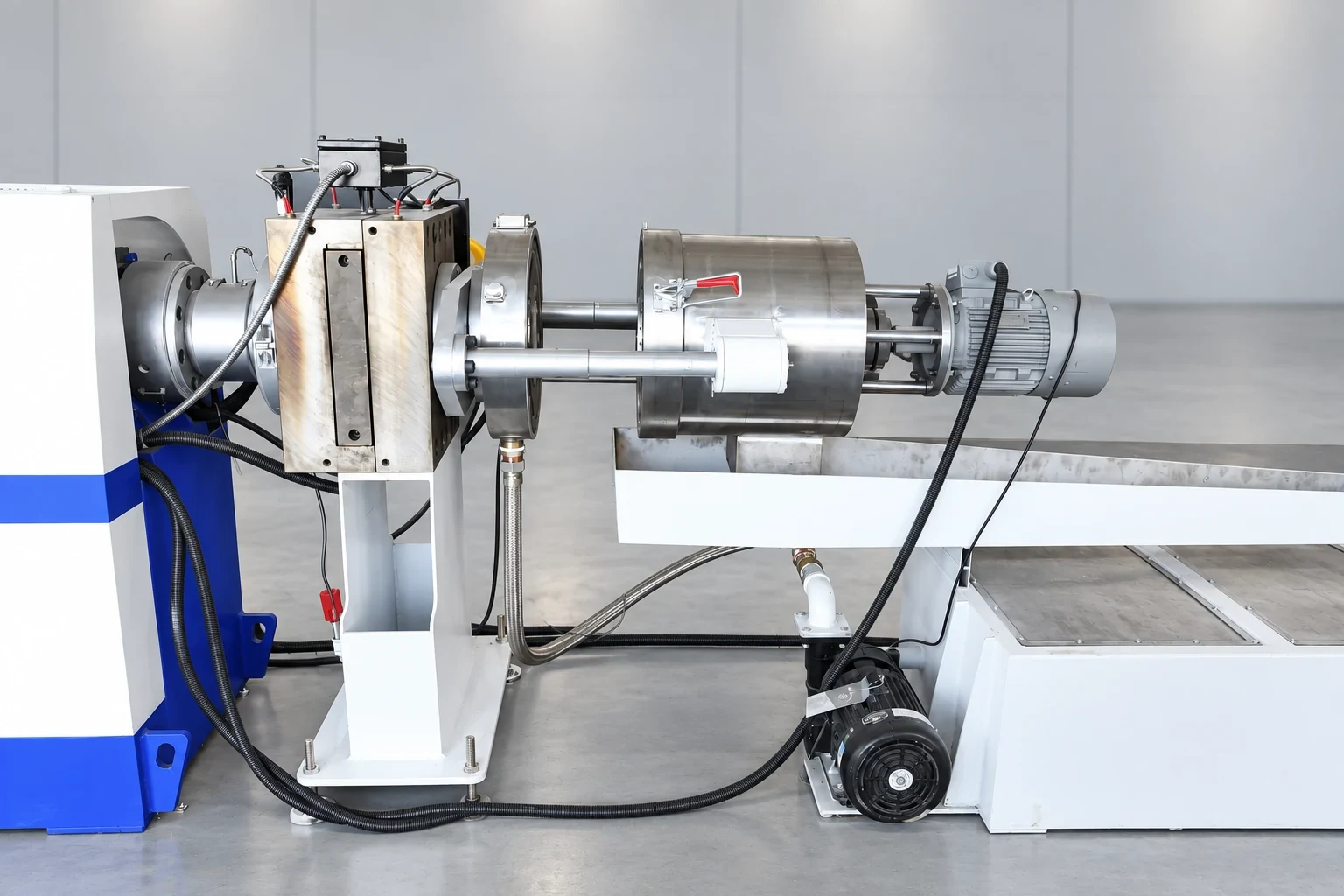
Filters solid contamination from the melt before pellet cutting; the filter arrangement is selected for your feedstock.
Cuts the melt at the die face while circulating water cools the pellets.
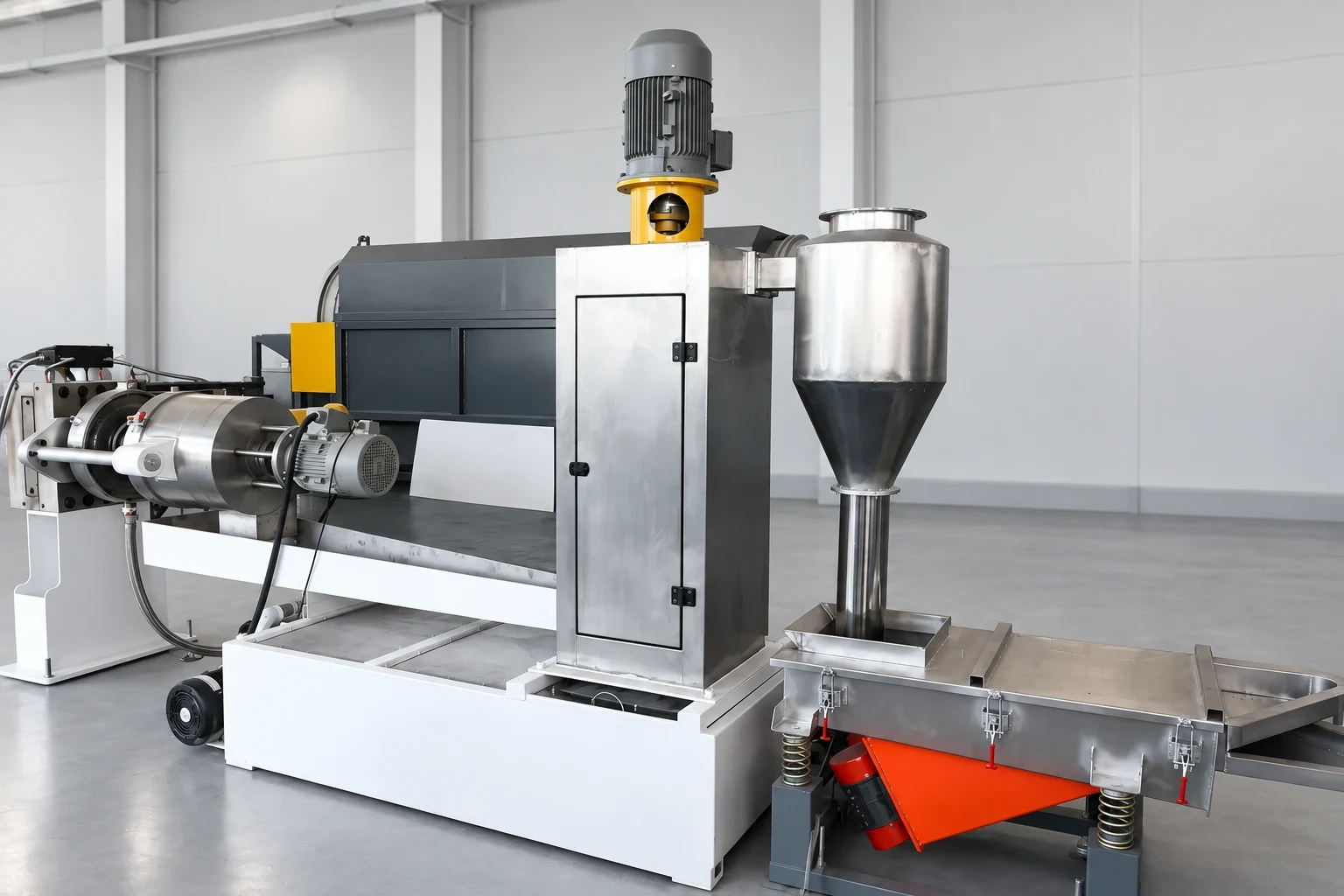
Removes surface water from the pellets before screening and collection.
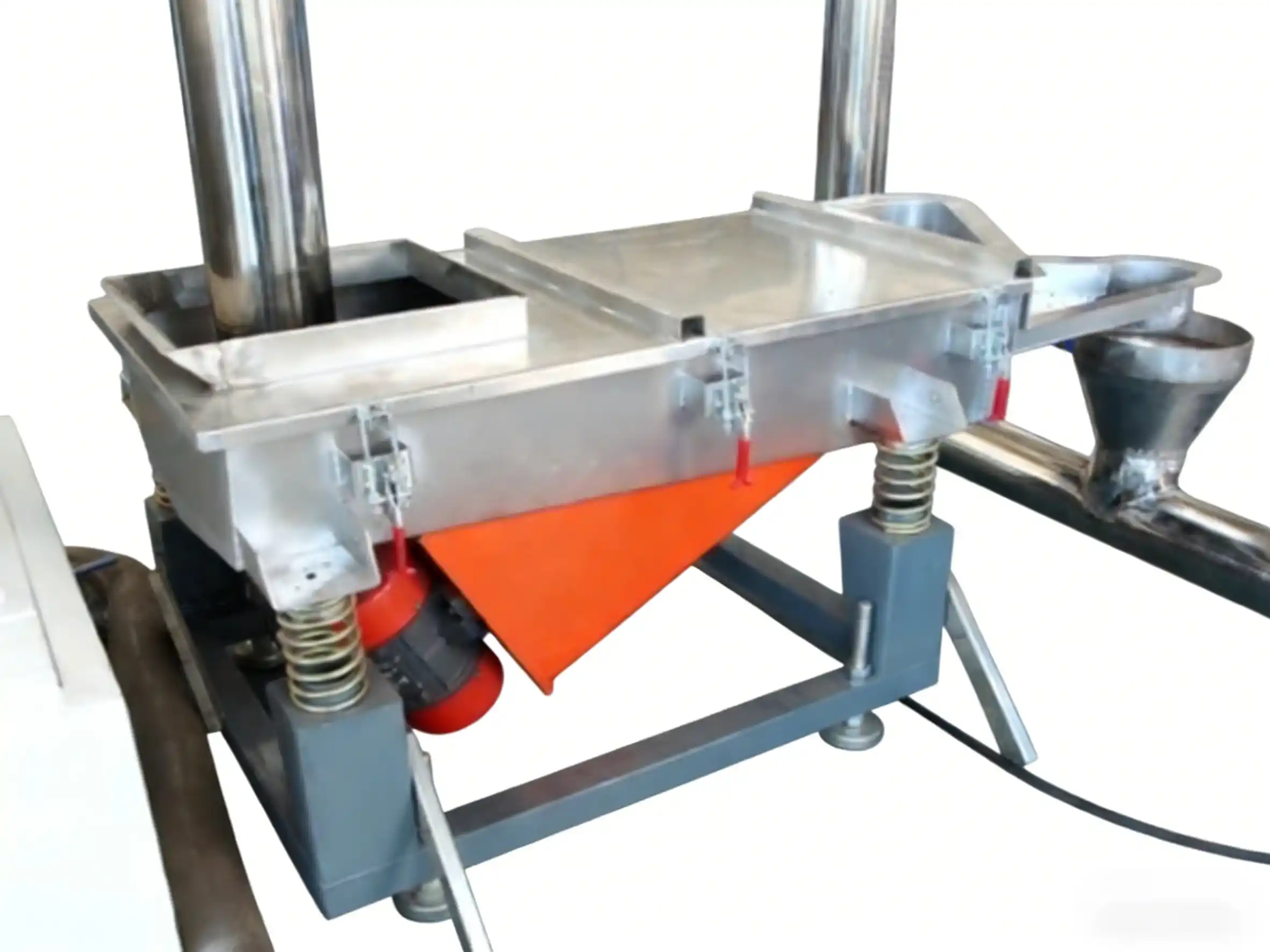
Screens the pellets before transfer to the collection system.
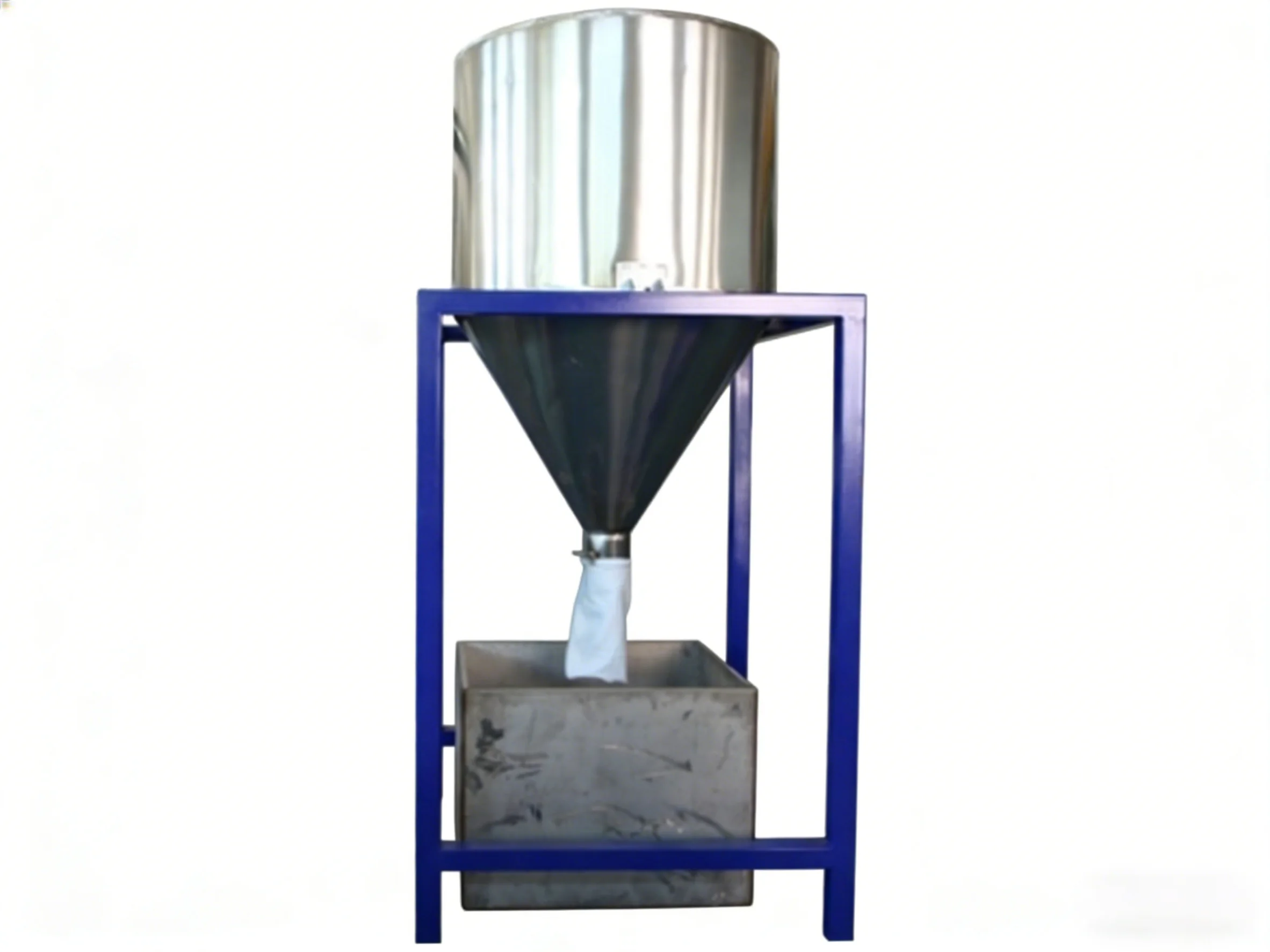
Buffers finished pellets for packing or downstream processing.
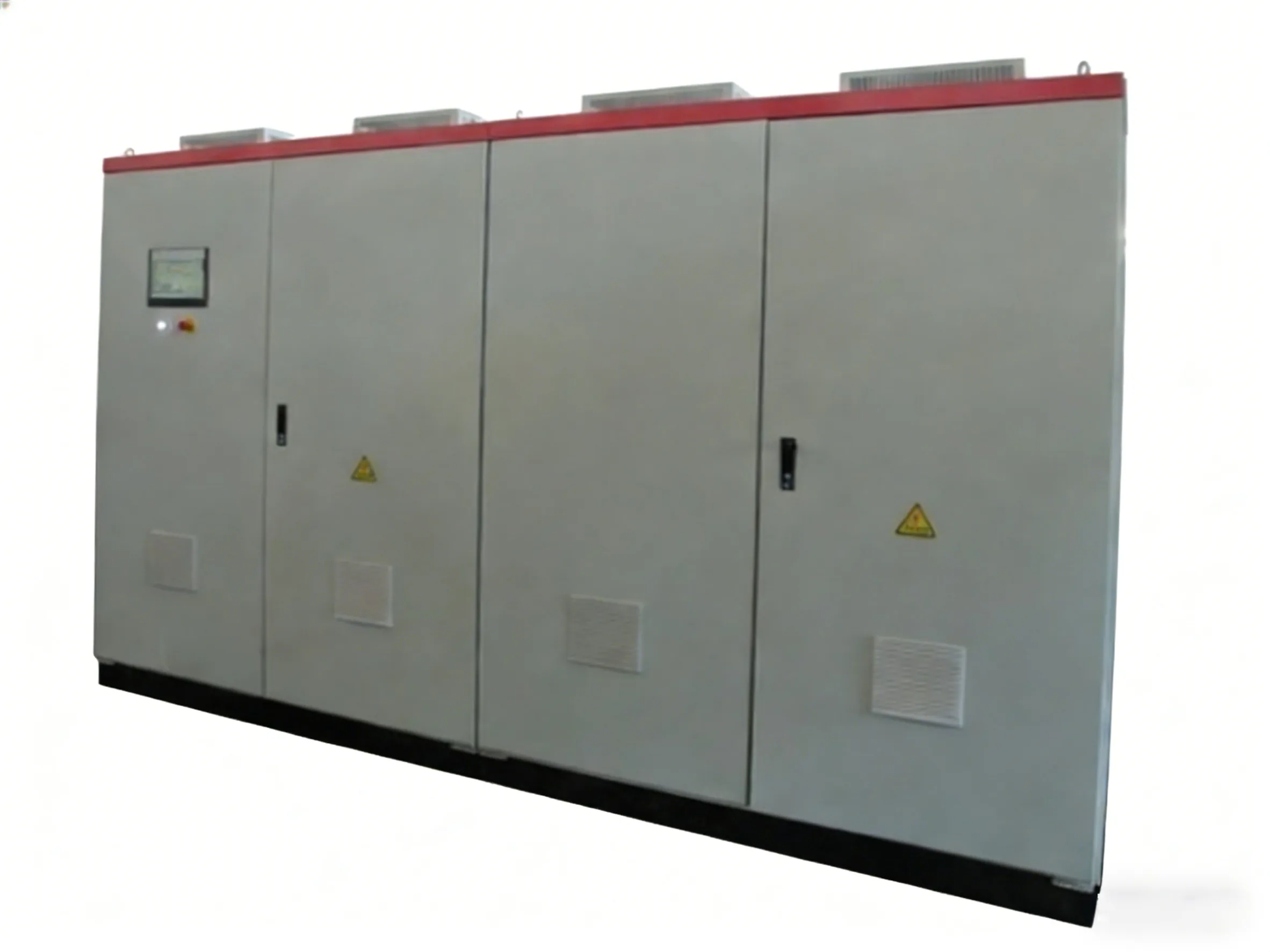
Coordinates feeding, compactor load, extrusion and downstream pellet-handling equipment.
FAQ
Answers for film recyclers choosing a cutter-compactor pelletizing line.
Single-stage extrusion is an option for suitable prepared film and bag scrap. Double-stage extrusion adds a second processing stage. The choice is made around polymer type, printing, moisture, contamination and the required pellet specification.
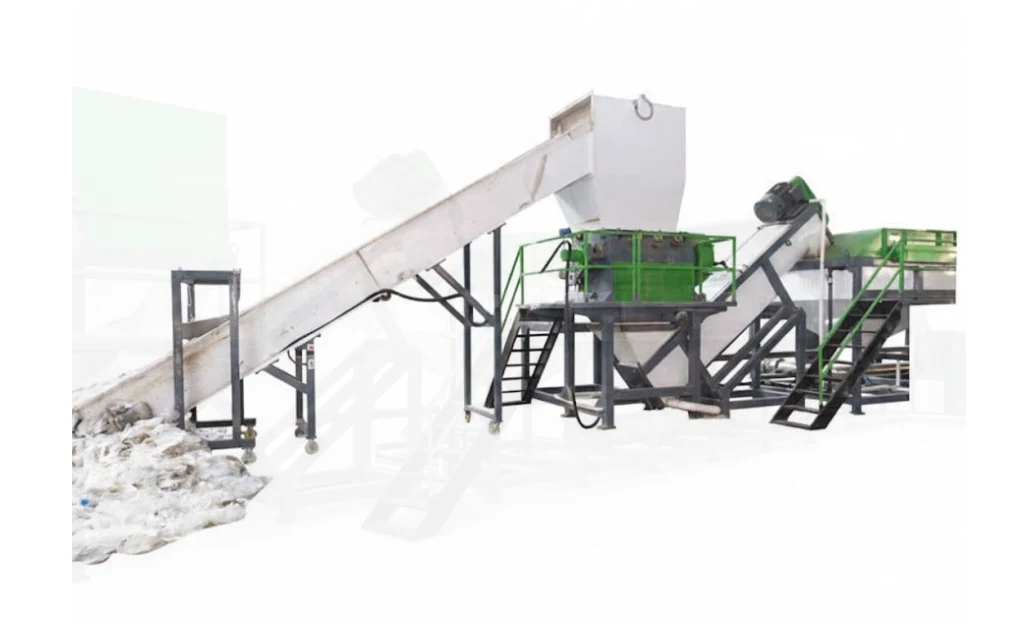
No. The compactor prepares bulky material for extrusion; it does not wash it. Dirty post-consumer film may need sorting, washing and drying before pelletizing.
The featured route uses water-ring die-face cutting followed by pellet dewatering, vibrating screening and silo collection.
Suitable prepared PE/PP film and woven-bag streams can be considered. Printing, moisture and contamination determine the required pretreatment, degassing and melt filtration; please provide a representative material sample.
The existing model references span approximately 200–1,600 kg/h. Actual throughput is confirmed for the selected equipment, polymer and feed condition rather than guaranteed for every material.
Please provide polymer type, material photos or samples, washing and moisture condition, target hourly output, available utilities and intended pellet application.
Next Steps
Build out your recycling system with complementary washing and pelletizing equipment.