HDPE Barrels & Drums
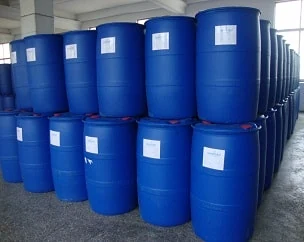
Industrial, chemical and food-grade drums and 200L containers — glue-based labels and oil residues need extended hot washing.
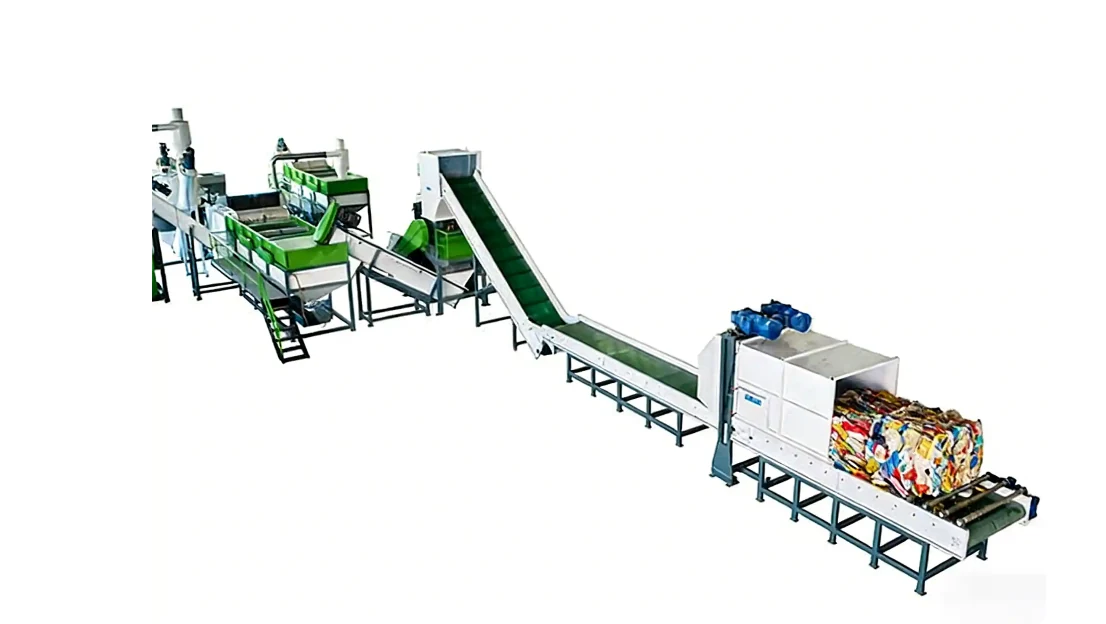
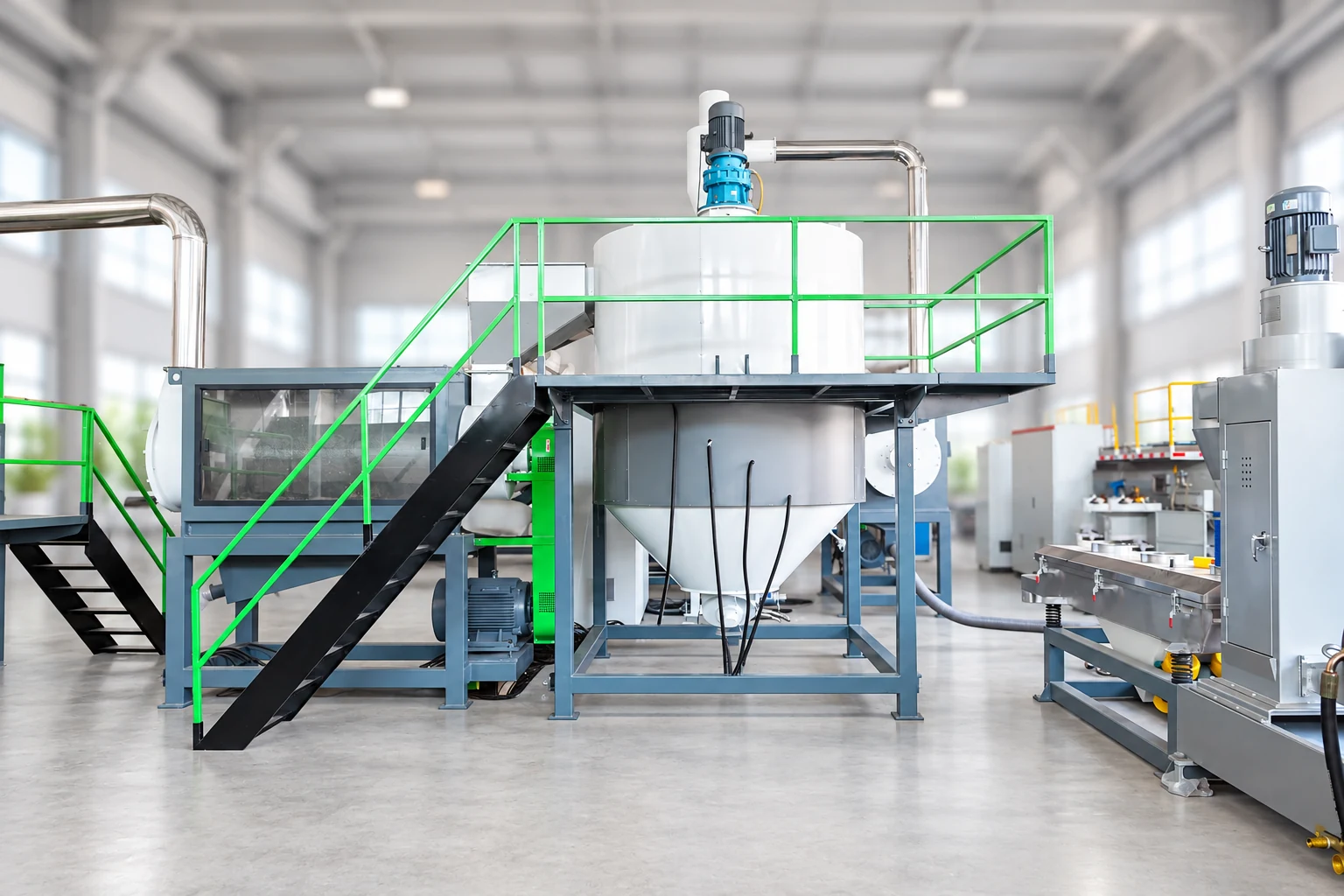
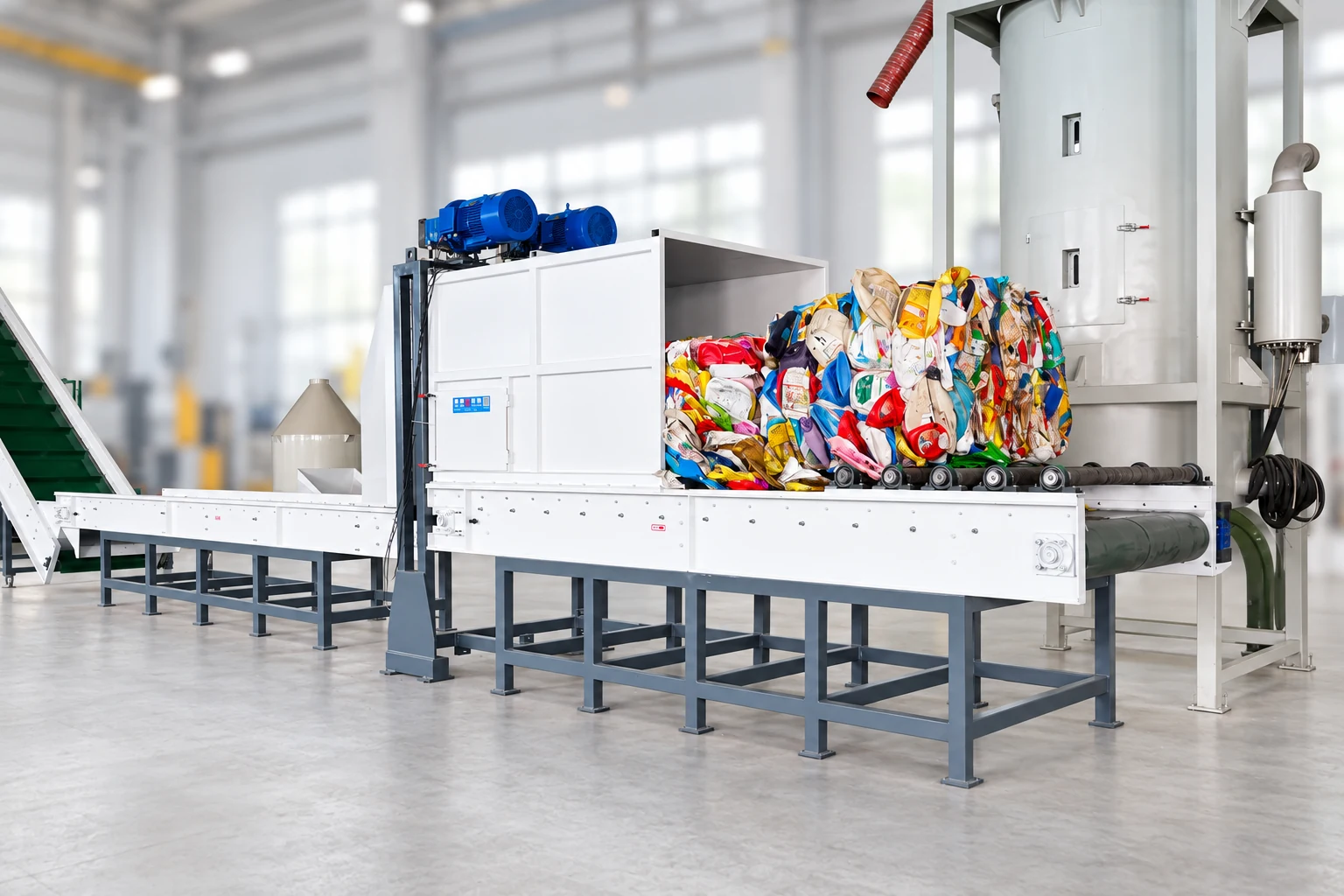
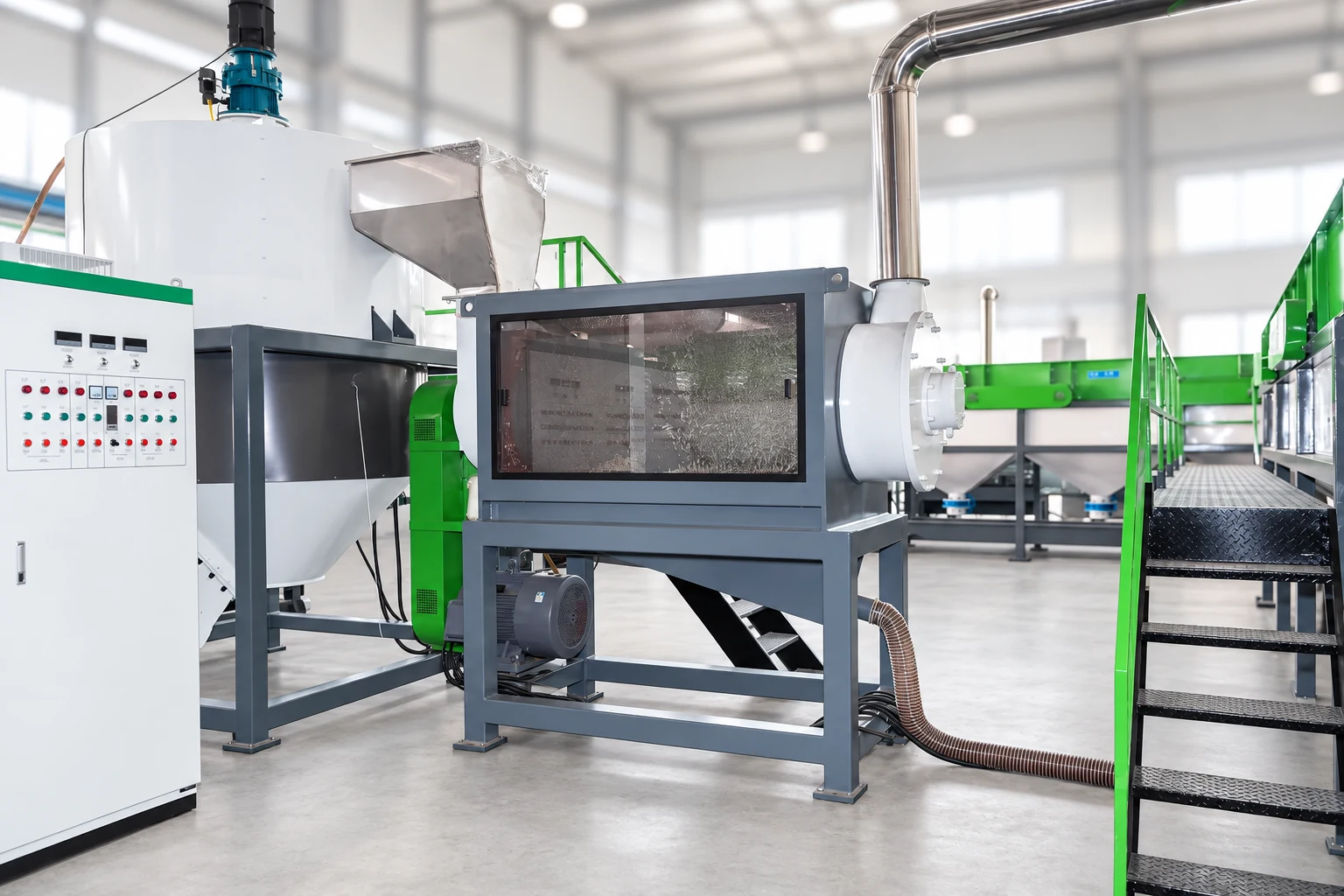
Materials Processed
PP rigid plastic is the reference feedstock, with the same concept configurable for suitable HDPE/PP rigid-plastic streams.
Industrial, chemical and food-grade drums and 200L containers — glue-based labels and oil residues need extended hot washing.
Agricultural and logistics crates that separate easily in sink-float tanks, with organic debris and UV degradation.
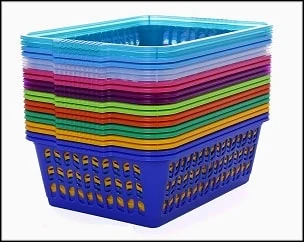
Food-processing baskets that float and rinse cleanly, adaptable to typical agricultural and retail contamination.
Industrial and urban baled rigid plastics, pre-sorted by hand or separated precisely by polymer in sink-float tanks.
Machine modules
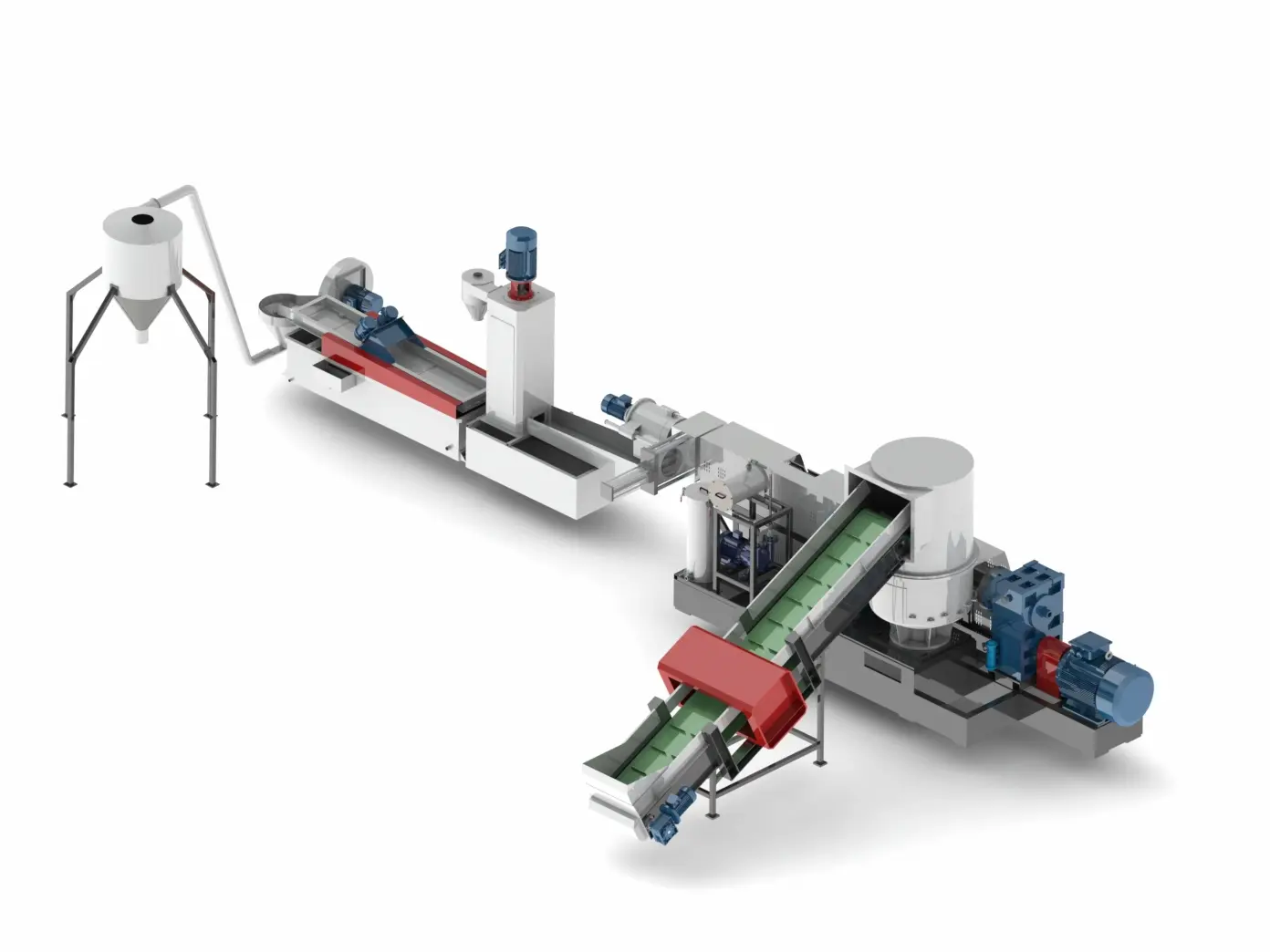
Core modules for feeding, crushing, washing, dewatering, drying and line control.
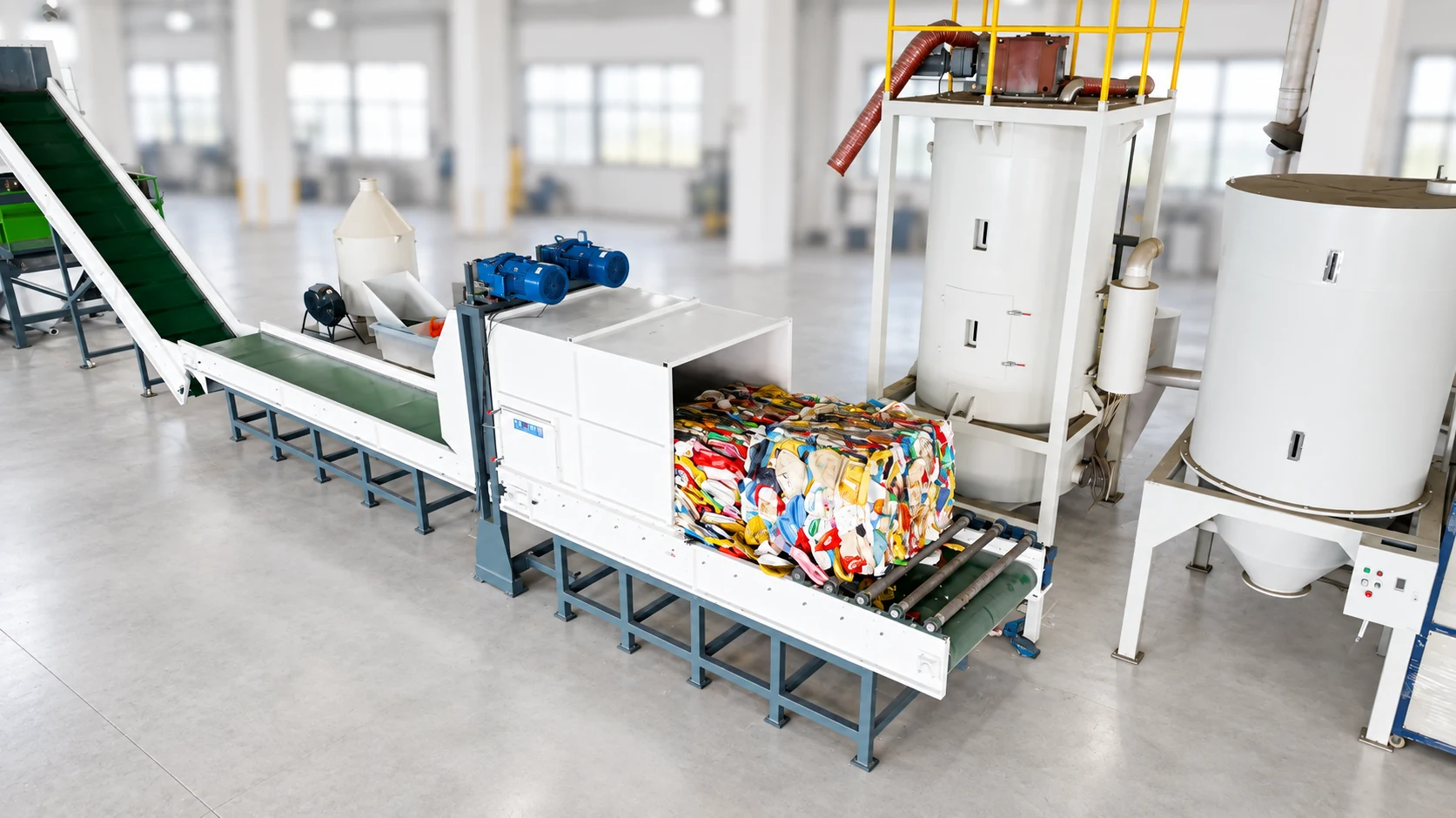
GS1500 vertical bale breaker and X1000 belt conveyors feed compacted bales into the line after loosening.
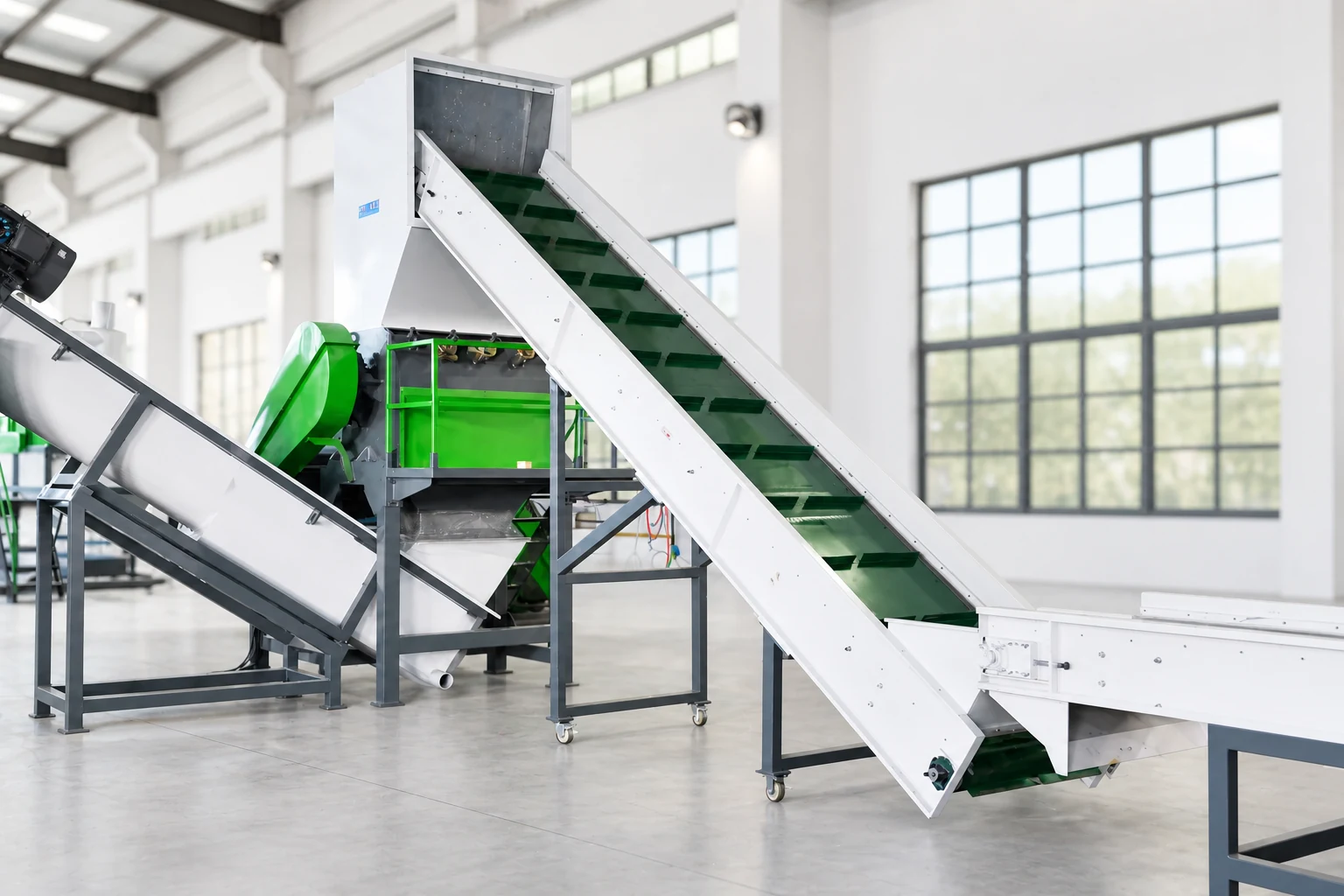
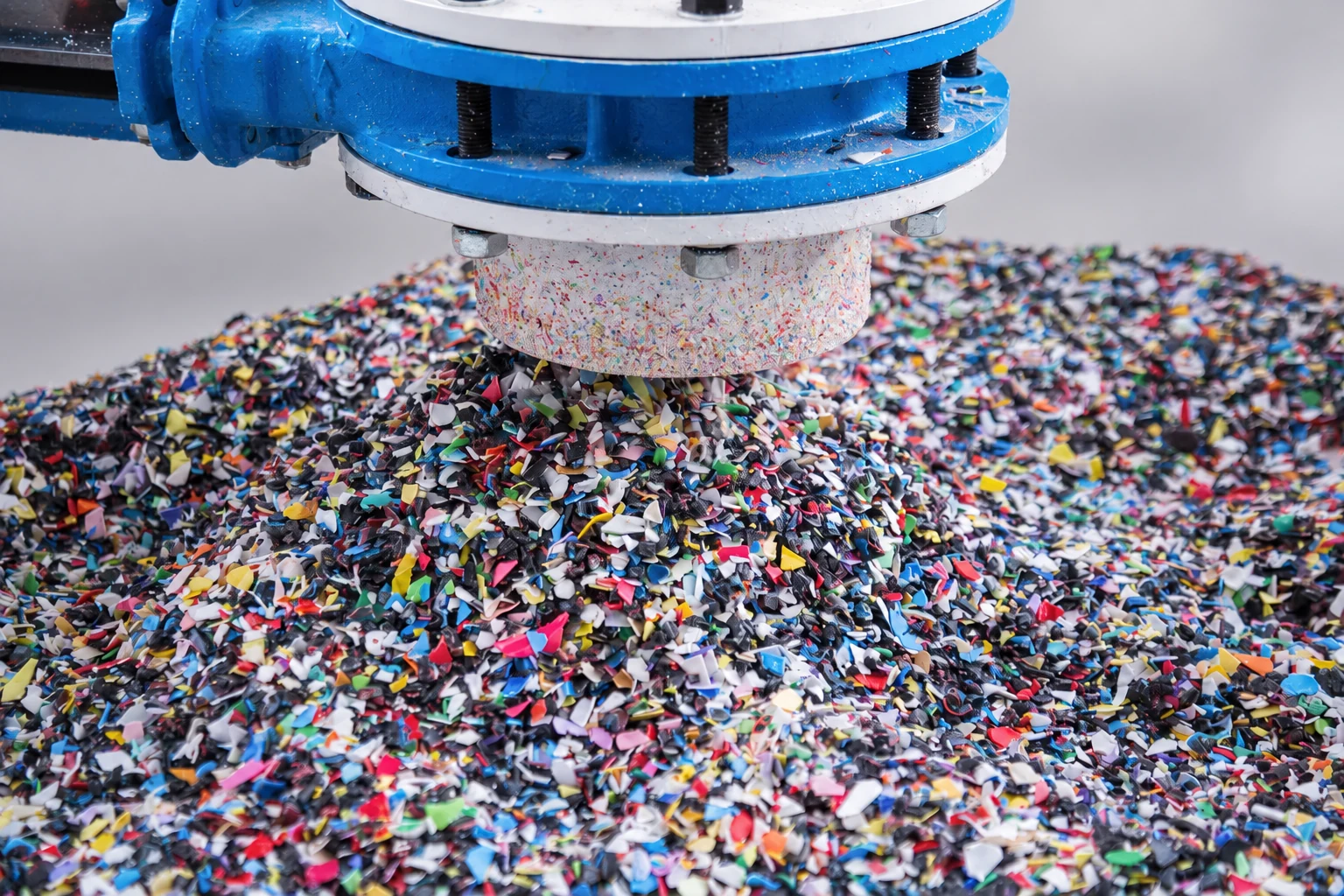
90 kW wet crusher with SKD11 knives crushing rigid plastic into approximately 8–17 mm flakes.
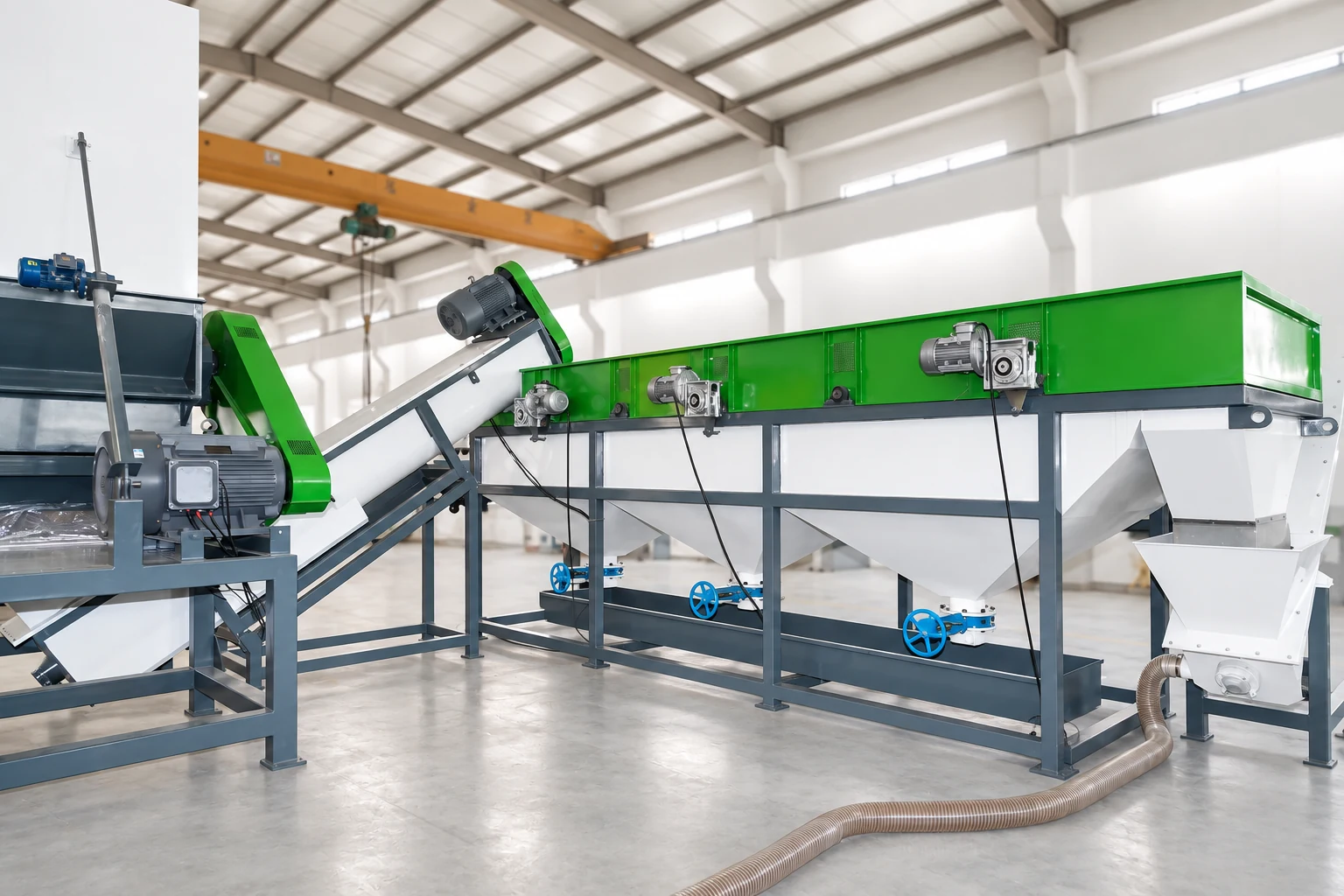
High-pressure water and wear-resistant paddles scrub flakes while conveying them downstream.
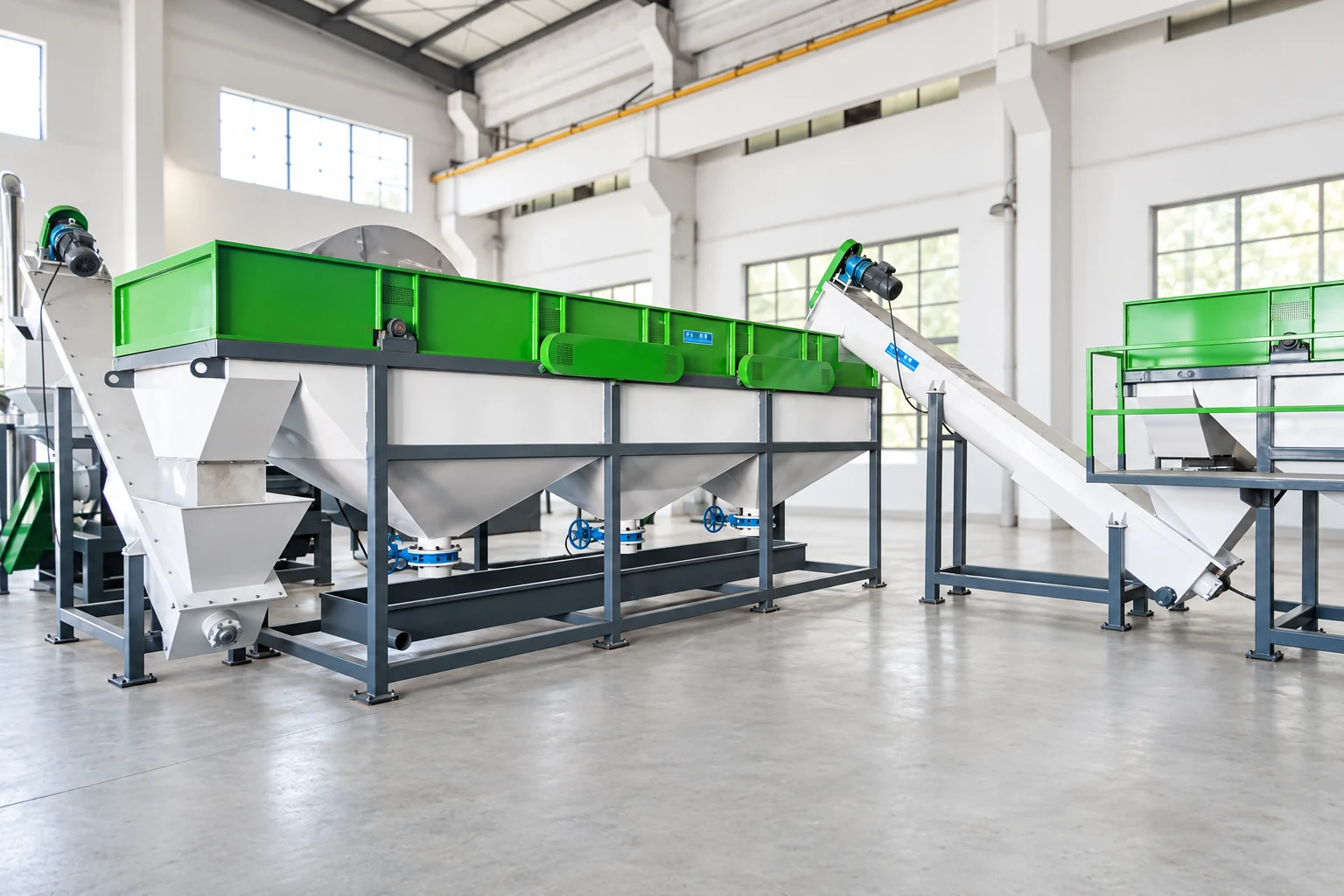
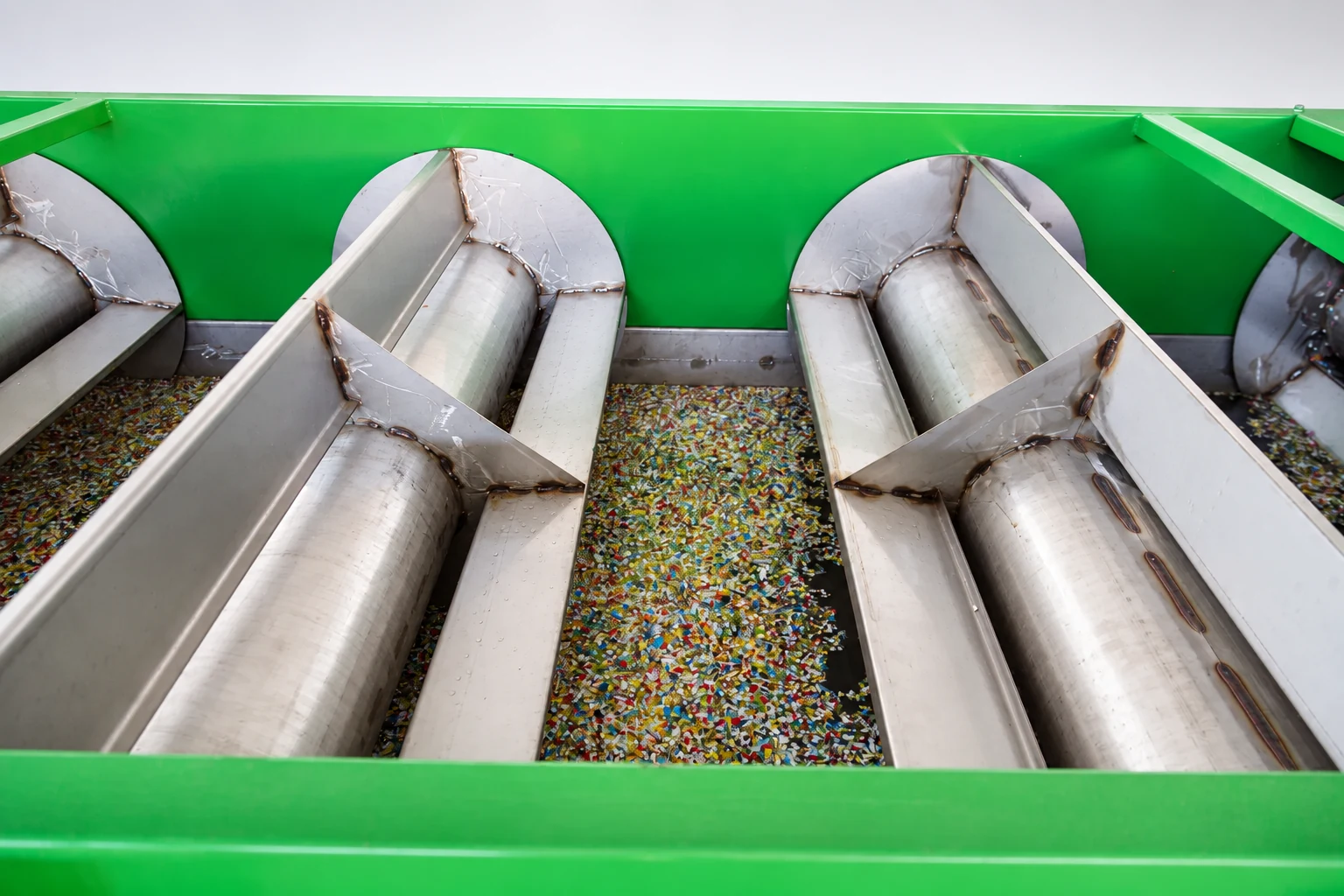
Density separation in the float/rinse tank with bottom contamination discharge and side lifting screw.
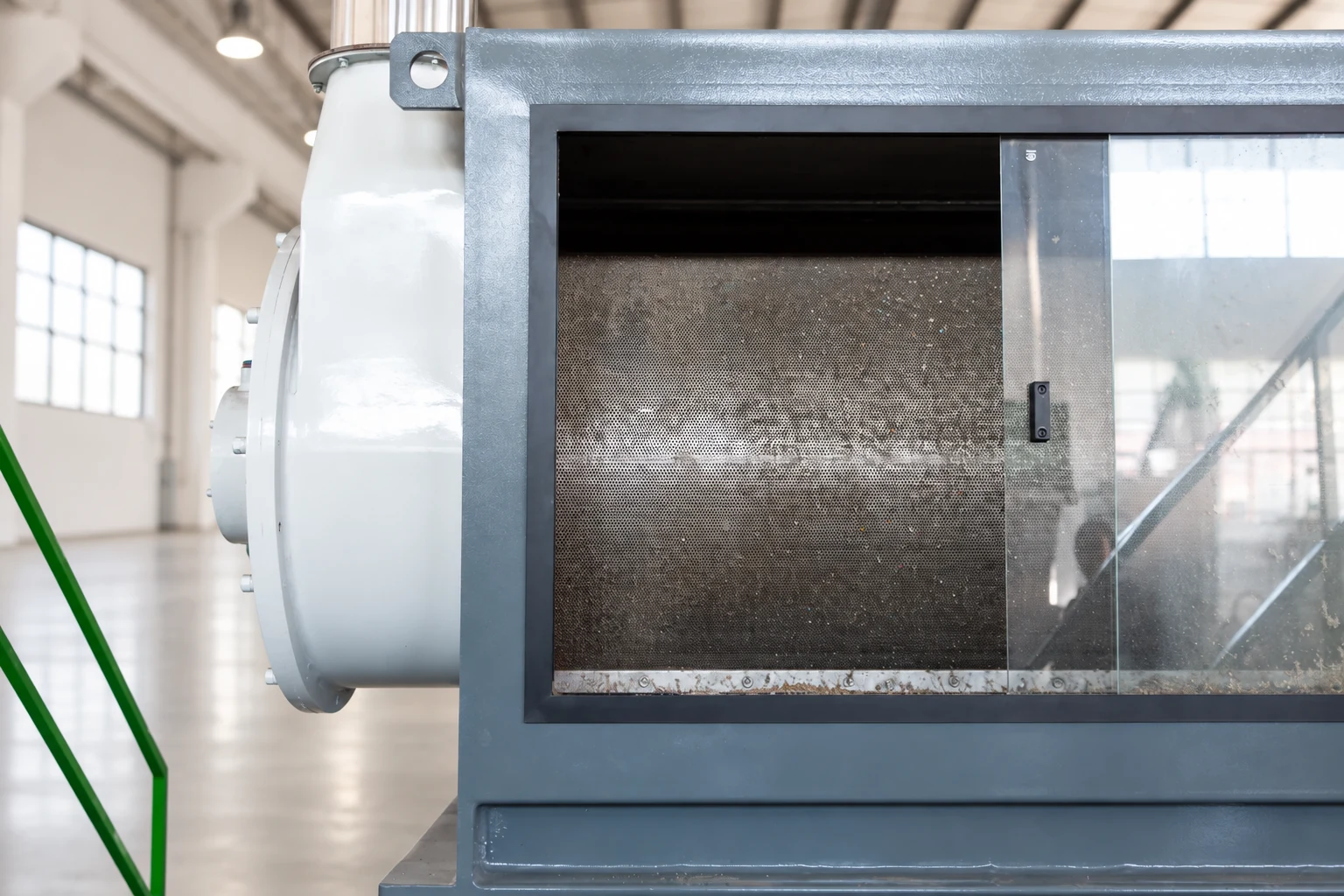
1,600 rpm friction dewatering machine removing bulk surface water from the washed flakes.
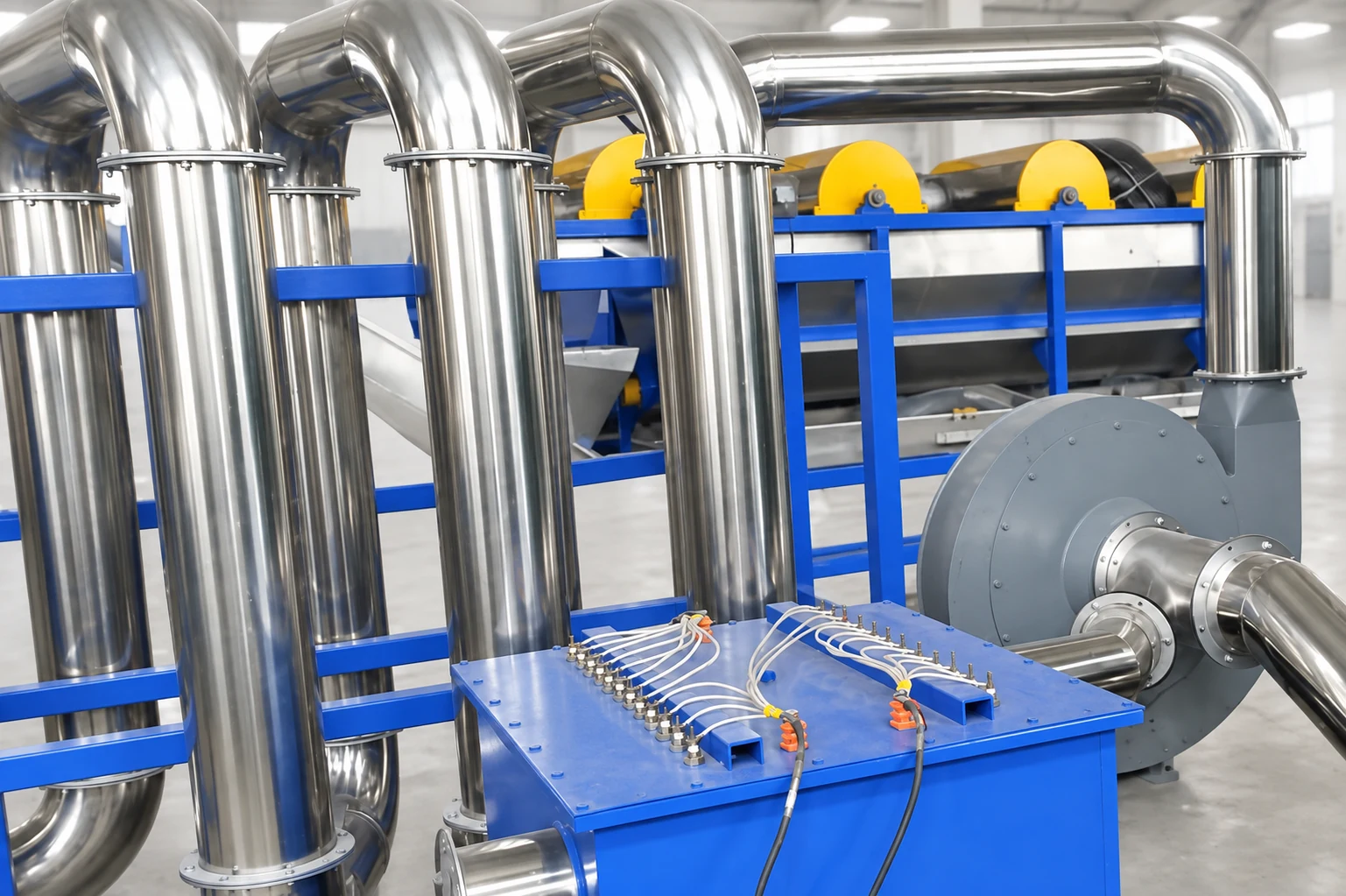
Ø219 mm SUS304 drying pipe with 36 kW heating dries flakes to ≤1% moisture.
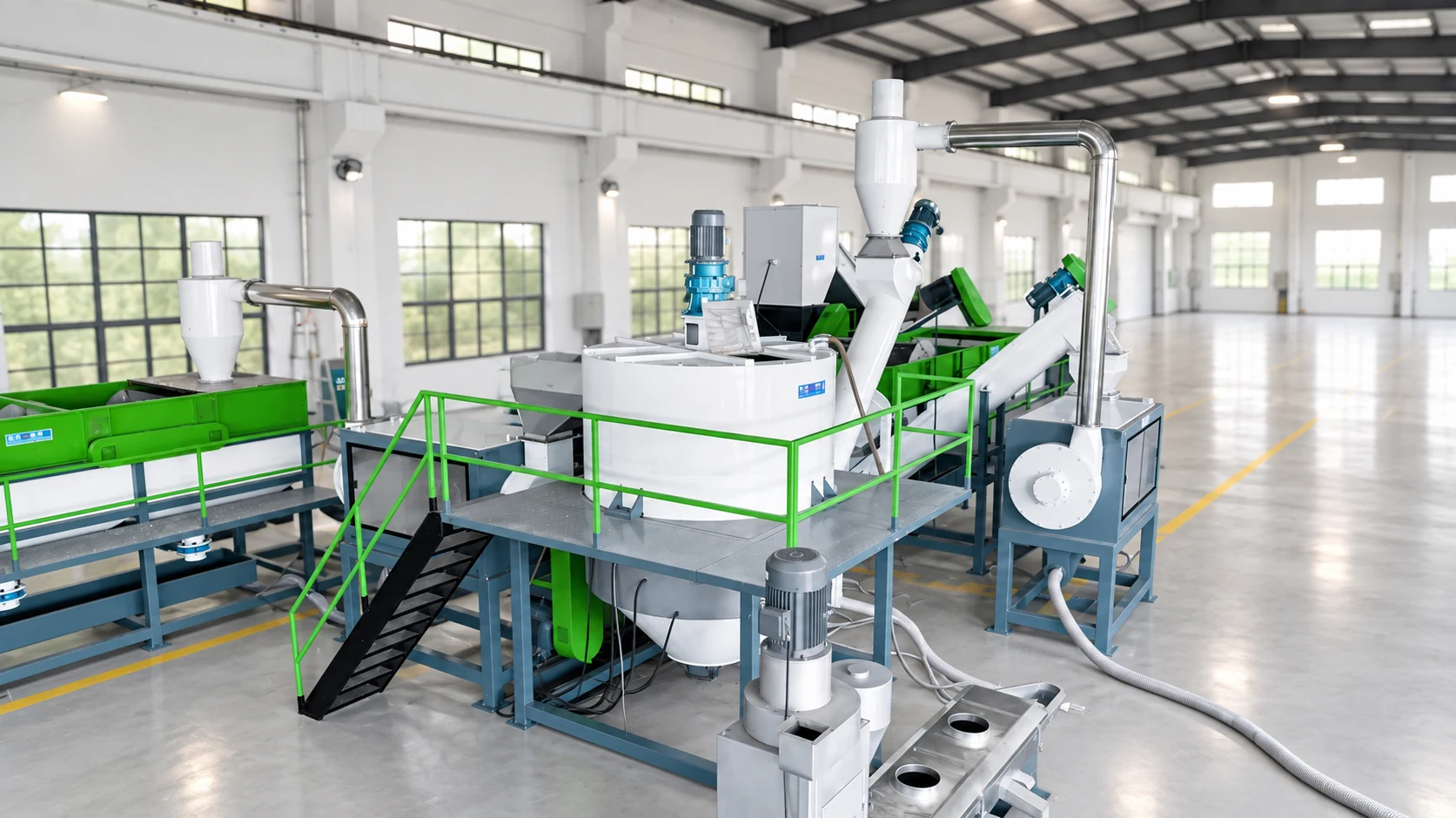
Forced-feeding screw hot washers operating at about 90 °C with automatic chemical dosing.
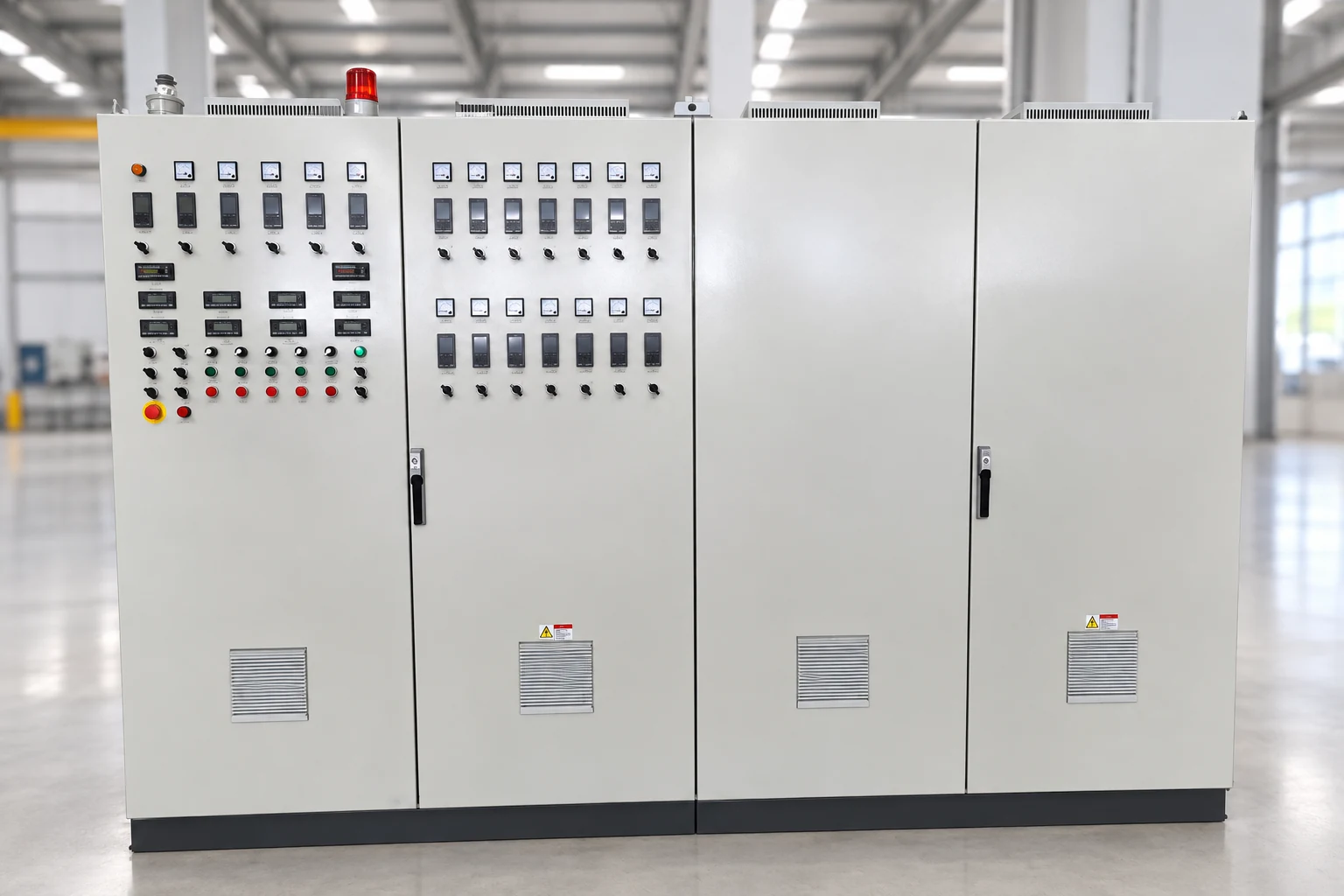
Siemens PLC and contactors, Delta VFD and Omron temperature control interlock the complete line.
FAQ
Answers to the questions PP and HDPE rigid plastic recyclers ask most.
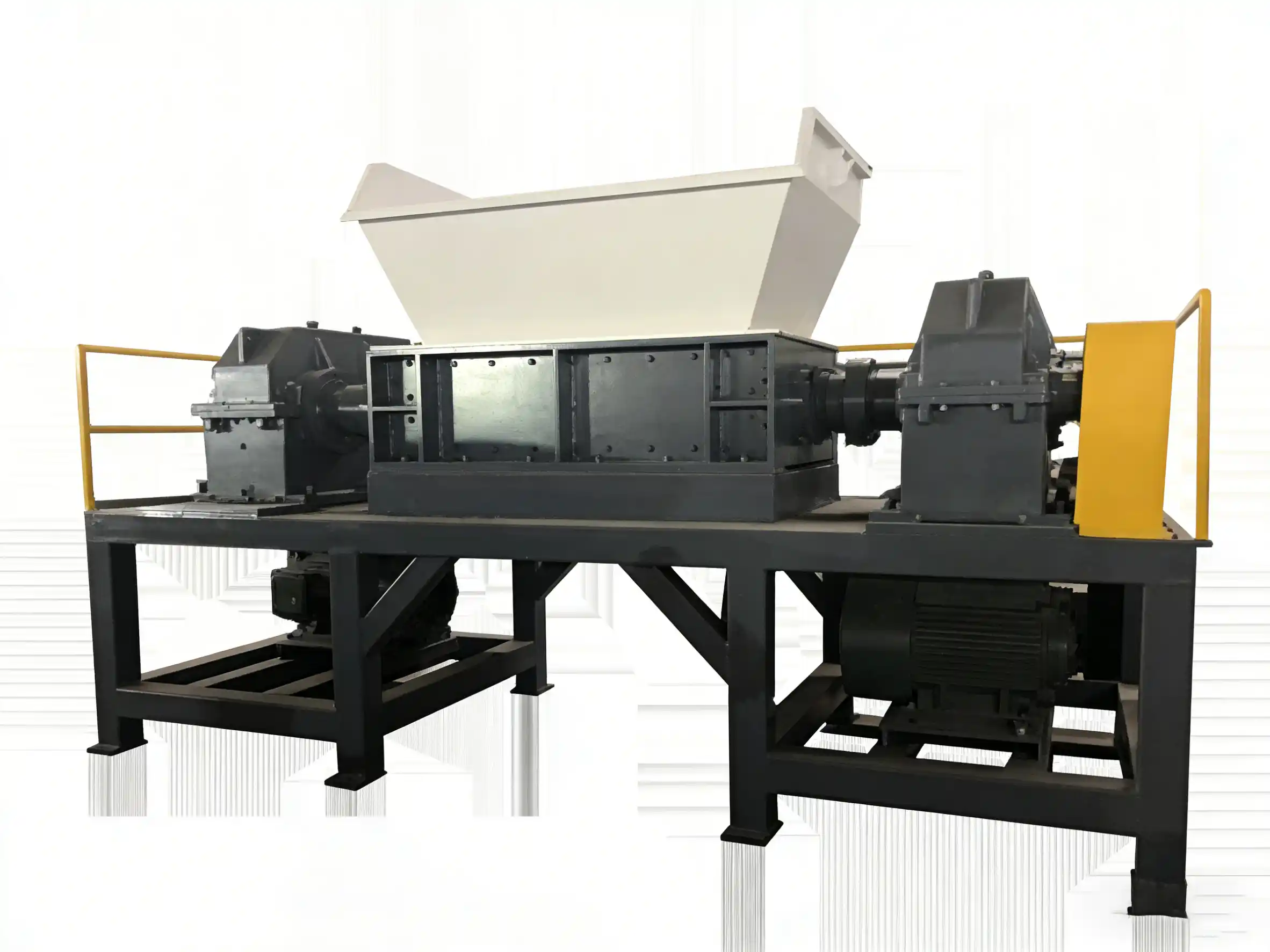
The reference project is a 3,000 kg/h PP rigid-plastic washing line: bale breaking, twin-shaft shredding, iron separation, two parallel GS1200 wet crushers, friction and float washing, two 90 °C hot washers with automatic chemical dosing, multi-stage rinsing, dewatering, hot-air drying and label separation. Total installed power is approximately 679 kW.
After final high-speed dewatering the moisture is ≤5%; after the hot-air drying system it drops to ≤1%. Residual label content after the Z2000 double-channel label separator is ≤1%, at a reference crushed size of about 8–17 mm.
Barrels, drums and contaminated rigid parts carry adhesive labels, oil and sticky residue that cold friction washing cannot fully remove. Submerging flakes at about 90 °C with automatically dosed washing chemical dissolves and detaches these contaminants.
Multi-stage counter-flow rinsing removes residual chemical and loosened contamination in stages, so the flakes enter dewatering and drying already clean instead of dragging chemical carryover into the finished product.
An electromagnetic iron separator mounted above the X1000 dual-outlet belt conveyor pulls ferrous metal from the shredded stream before it reaches the crushers, protecting the knives and downstream equipment.
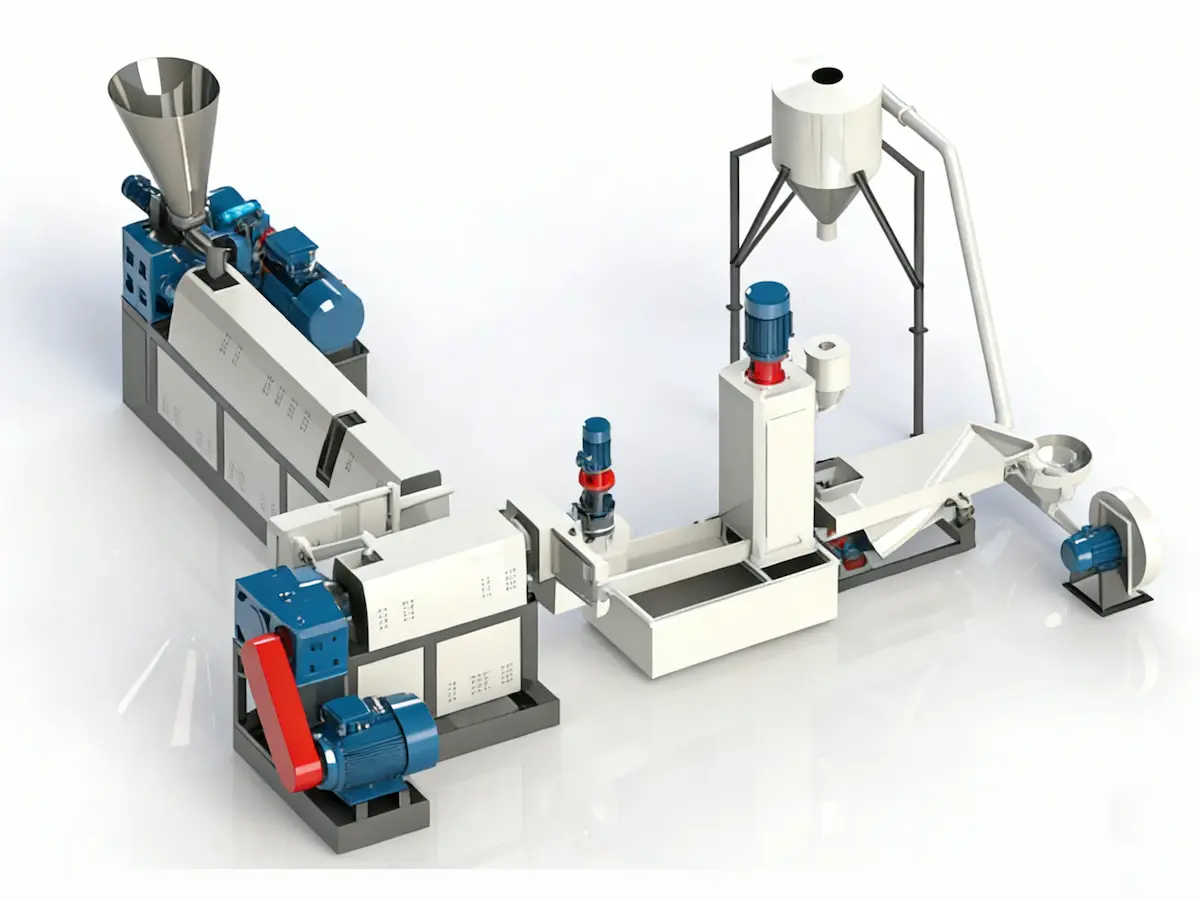
Clean, dry HDPE/PP flakes are pneumatically conveyed to a 2 m³ SUS304 storage silo with ton-bag hooks for short-term buffering and bag filling, ready for pelletizing or direct extrusion.
Reference water consumption is about 15–25 m³/h, and actual electricity consumption is approximately 60–70% of the ~679 kW installed power. Manufacturing lead time for the reference line is about 60 days.
Yes. The process concept is the same for suitable HDPE/PP rigid-plastic streams; equipment size, quantity, pre-shredding, hot-washing intensity, sorting modules and drying are selected according to the actual raw material and required flake quality.
Next Steps
Build out your recycling system with complementary washing and pelletizing equipment.