Rigid PVC
PVC powder and regrind from pipes, profiles and sheet; configured for the intended extrusion or molding application.
Input & Output
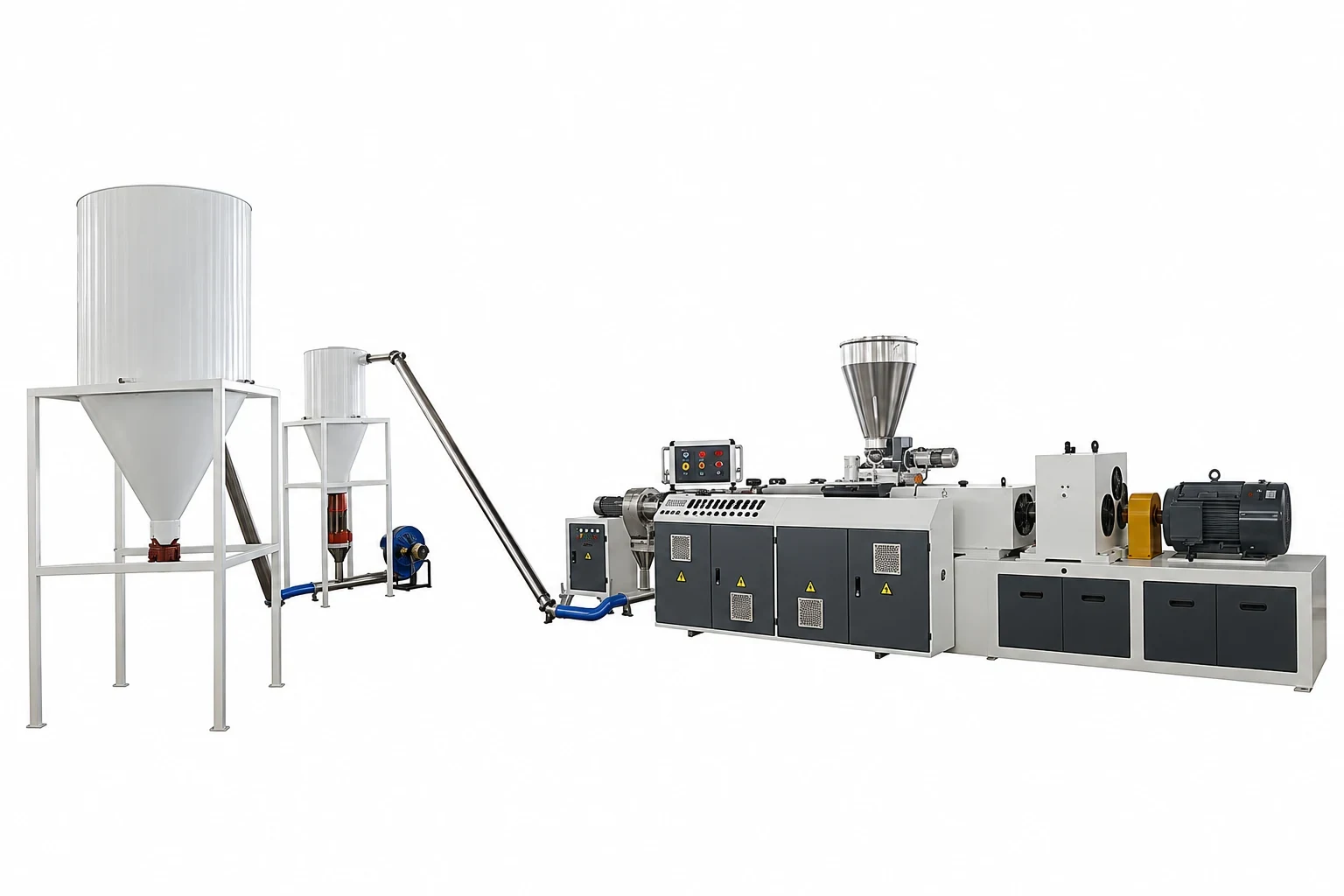
A conical twin-screw route for converting prepared PVC feed into pellets for extrusion, molding or compound supply.
PVC powder and regrind from pipes, profiles and sheet; configured for the intended extrusion or molding application.
Prepared flexible PVC mixes and regrind from cable, footwear, film and hose products.
PVC formulations containing CaCO3, stabilizers and other additives; screw selection depends on the complete recipe.
Machine modules
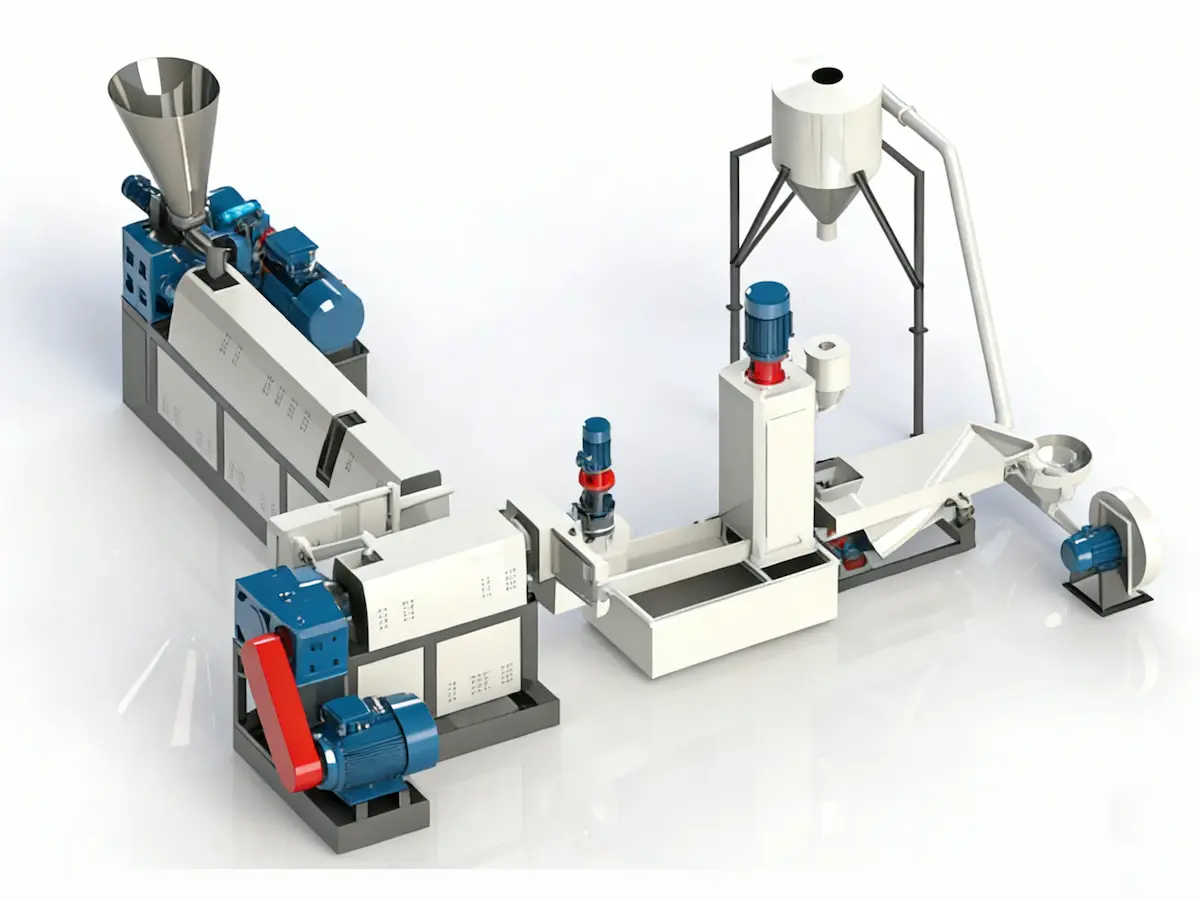
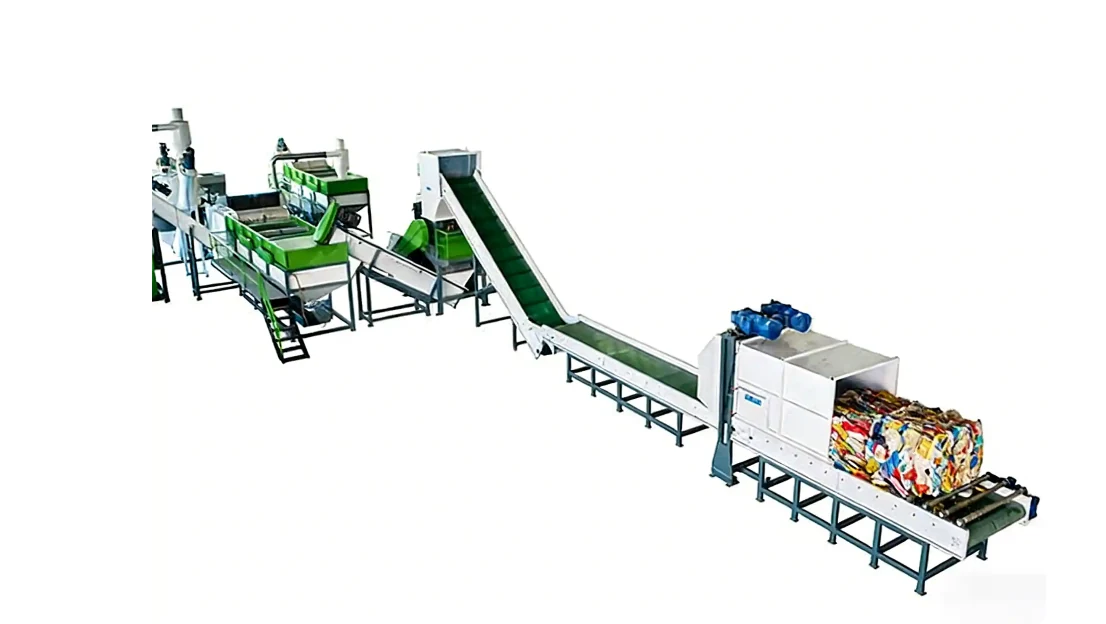
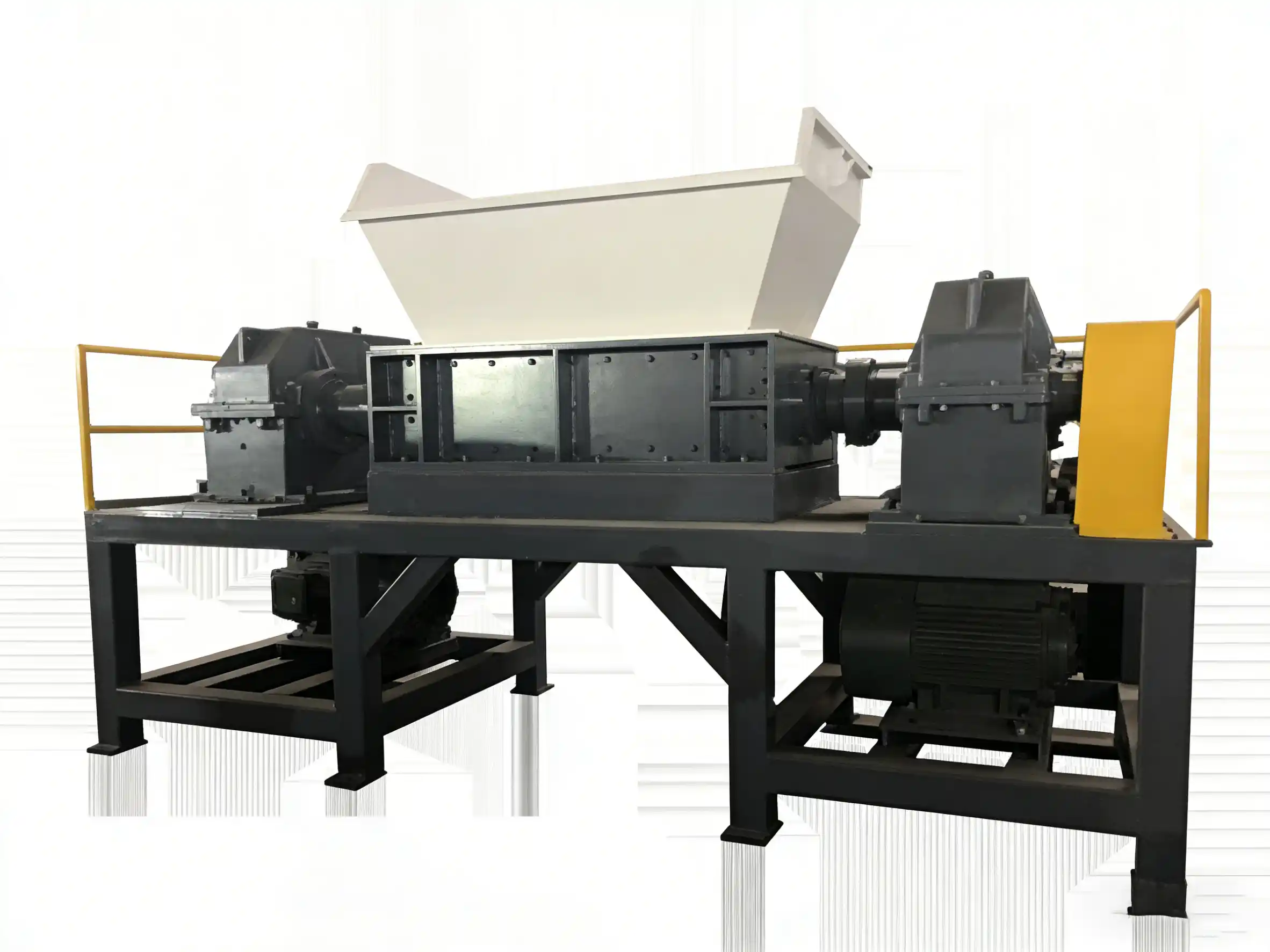
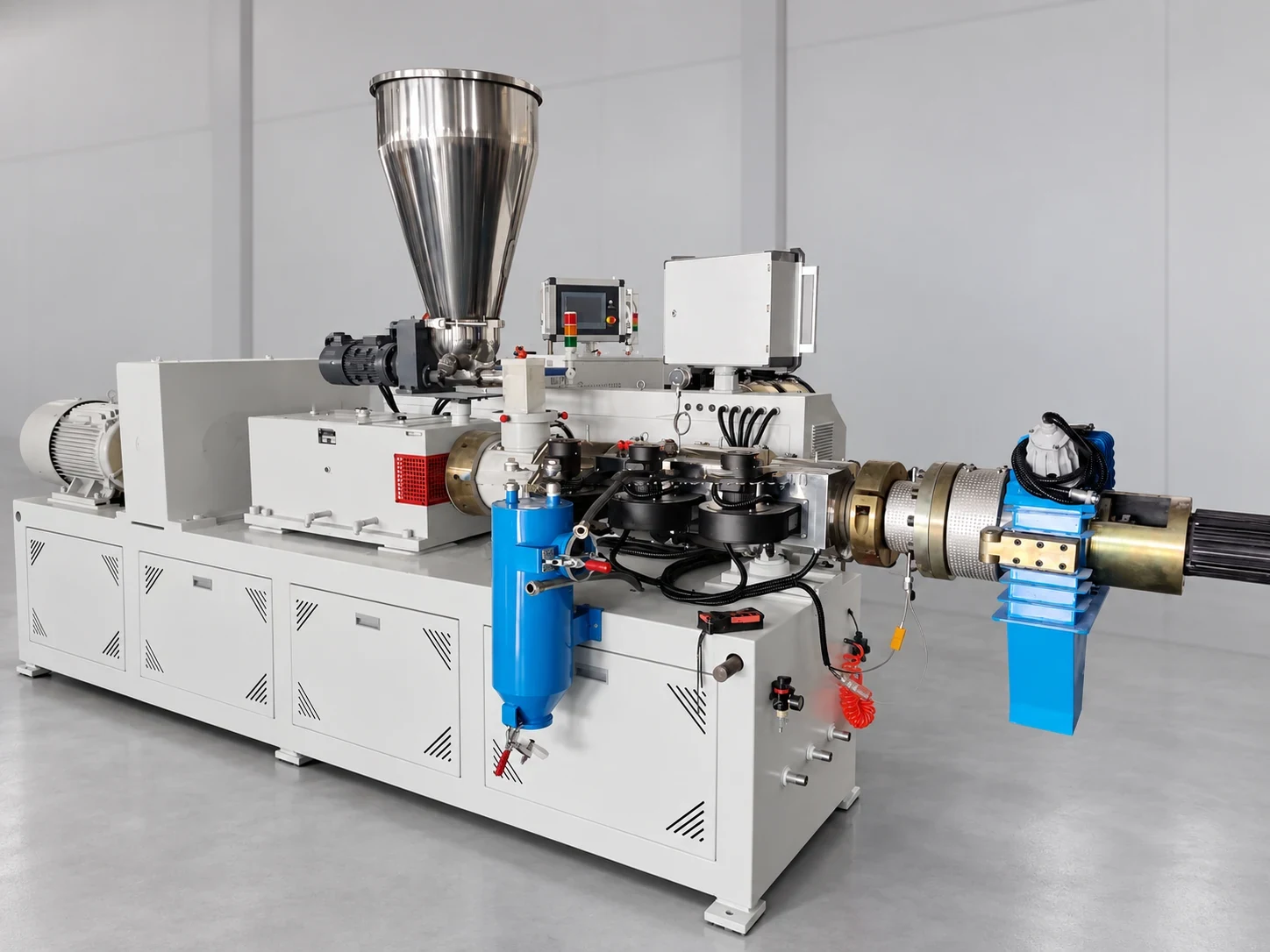
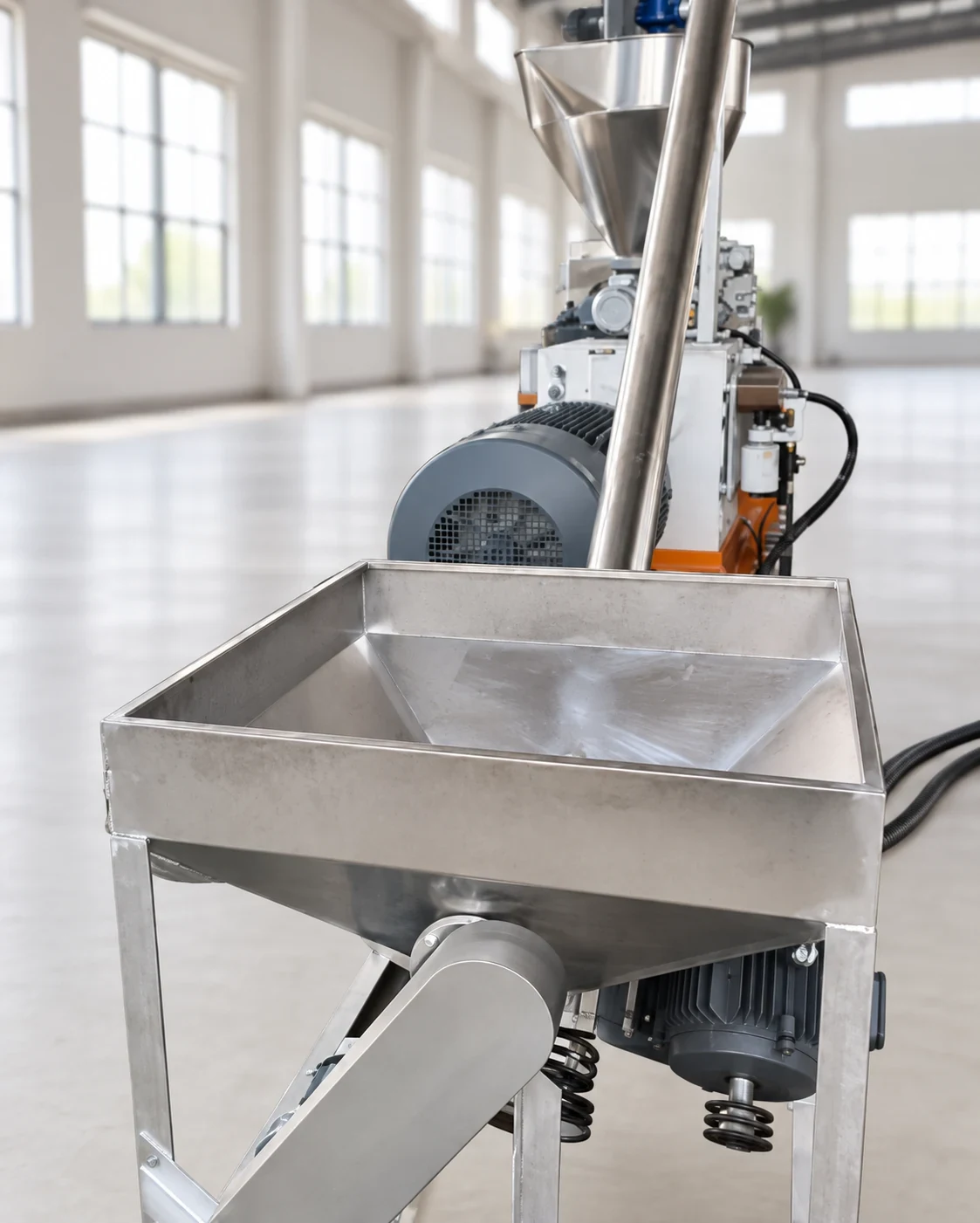
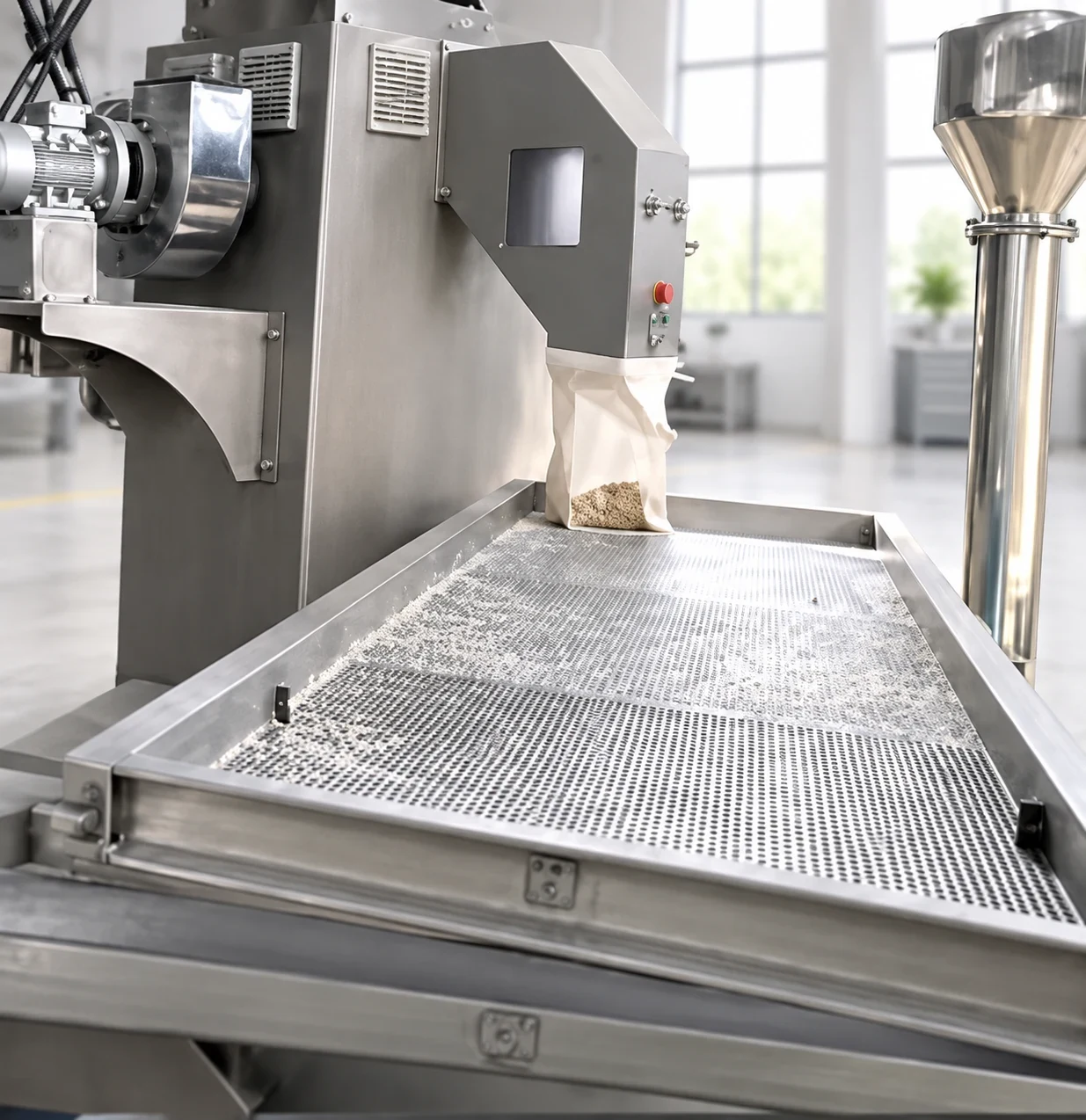
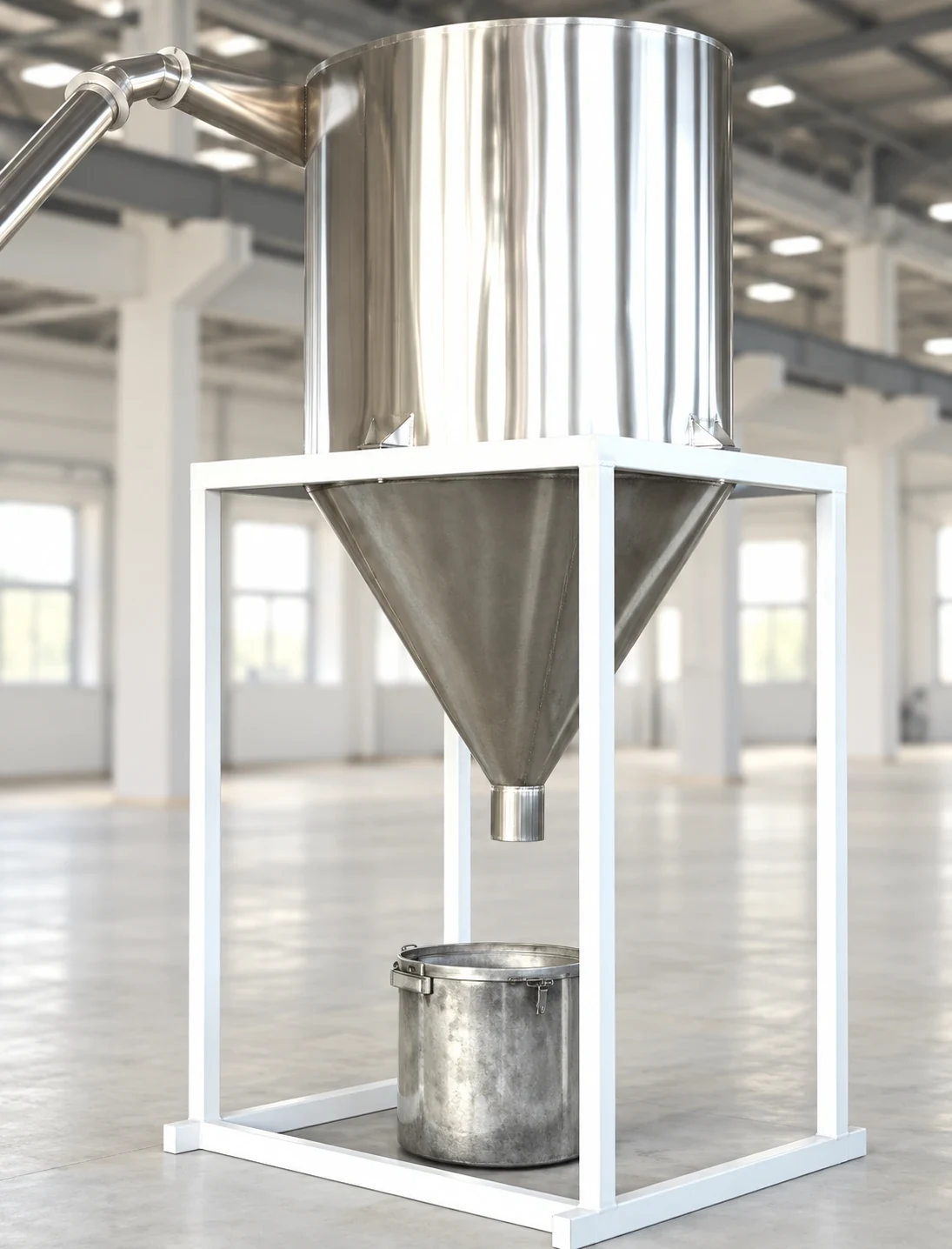
Clean-background views of the feeding, extrusion, screening and collection equipment. Final configuration is matched to your formulation.
Automatic loading and controlled dosing deliver PVC powder or prepared compound to the extruder.
The core PVC extrusion module combines conveying, mixing and plasticizing with zoned temperature control.
Screens the cooled pellets before collection; the final screen arrangement is selected for the pellet specification.
A storage silo buffers finished pellets for packing or downstream transfer.
Capacity reference
Reference ranges from the supplied PVC document. Actual output depends on PVC grade, filling ratio and raw material condition.
Small production line
100–200 kg/hMedium production line
200–400 kg/hMedium-large production line
400–600 kg/hLarge production line
600–800+ kg/hFAQ
Answers for PVC recyclers and compounders.
A PVC pelletizing line is an extrusion-based system built around a conical twin-screw extruder. It compounds and plasticizes heat-sensitive PVC — with stabilizers and fillers where needed — then cuts the melt into uniform pellets through hot die-face cutting followed by air cooling.
PVC is heat-sensitive and can decompose, discolor and lose performance when overheated. Compared with PE/PP pelletizing, a PVC line uses a conical twin-screw profile and staged barrel temperature control to keep shear heat and residence time low while still achieving full plasticization.
Conical twin screws provide a large feed opening for PVC powder and strong mixing across the screw taper, which suits PVC powder, regrind and filled formulations. For very high-fill or high-mixing masterbatch-type recipes, parallel twin-screw or other options can be compared; for standard PVC granulation and regrind lines, the conical twin-screw configuration is our recommended standard.
Water contact requires additional dewatering and drying and can cool heat-sensitive pellets unevenly. Hot die-face cutting followed by air cooling produces uniform granules for typical PVC formulations and lowers energy and water handling. For special recipes, strand or underwater options can still be discussed.
Please share your material type (powder / regrind / compound), PVC grade (rigid, soft or filled), target capacity in kg/h and the final application. Details such as the CaCO3 filling ratio and additives help us select the right screw geometry and line configuration.
Standard lines cover roughly 100–200 kg/h (small), 200–400 kg/h (medium), 400–600 kg/h (medium-large) and 600–800+ kg/h (large). Final output is confirmed against your formulation and raw material condition.
You May Also Like
Build out your recycling system with complementary washing, pelletizing and size-reduction equipment.