Cement Bags
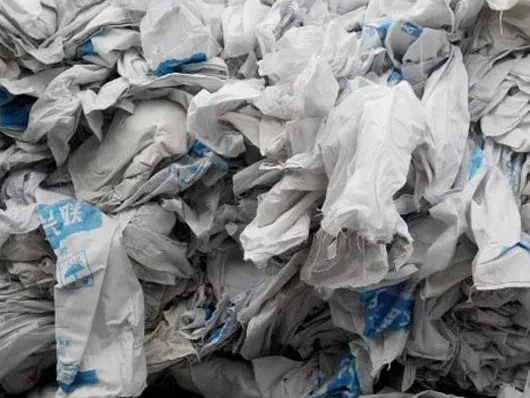
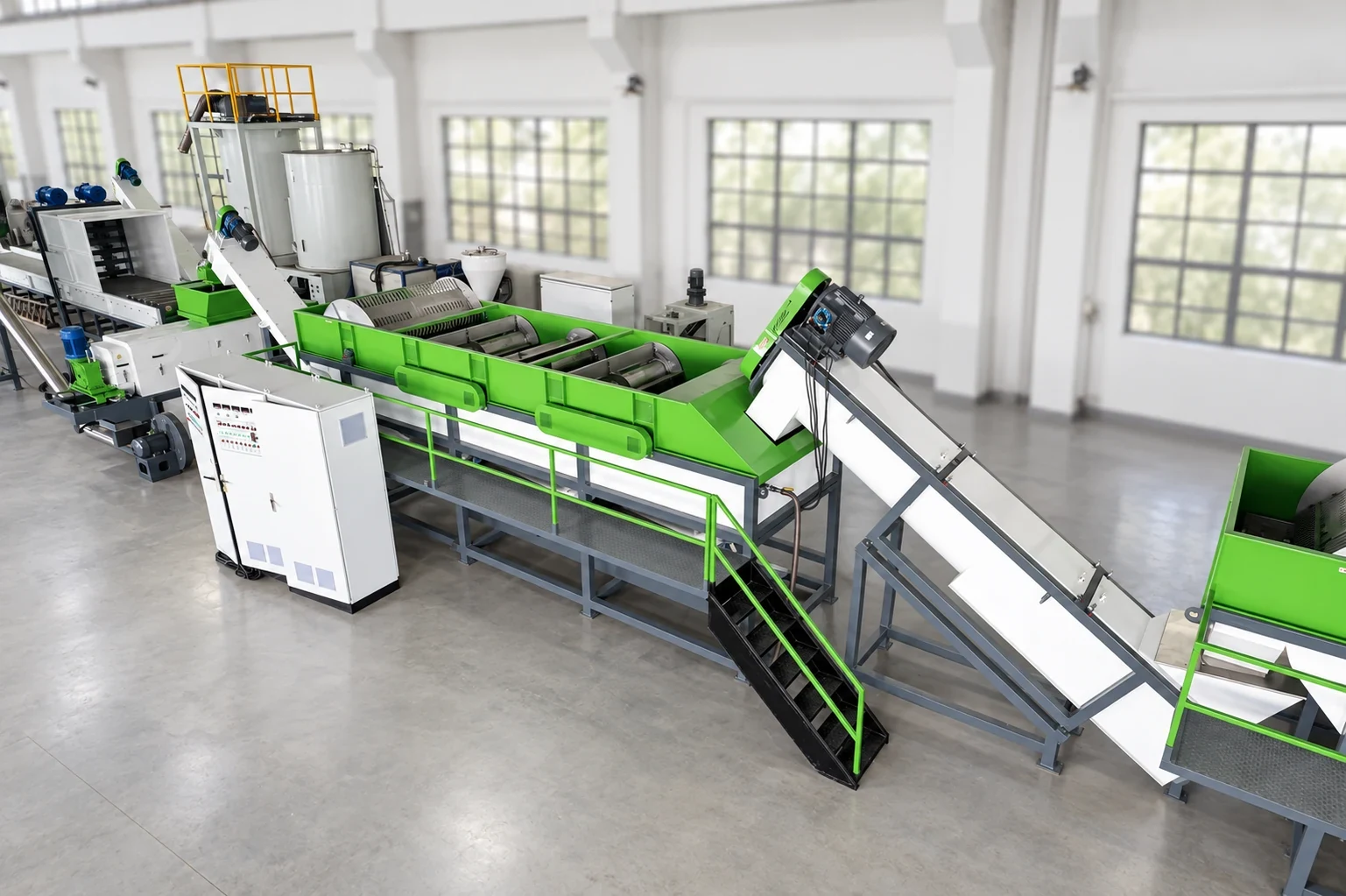
Heavily polluted by calcium carbonate dust; requires hot washing at 60–80°C with dual friction stages.
Materials Processed
From cement and fertilizer sacks to FIBC jumbo bags, rice bags, raffia and mixed PE/PP streams.
Heavily polluted by calcium carbonate dust; requires hot washing at 60–80°C with dual friction stages.
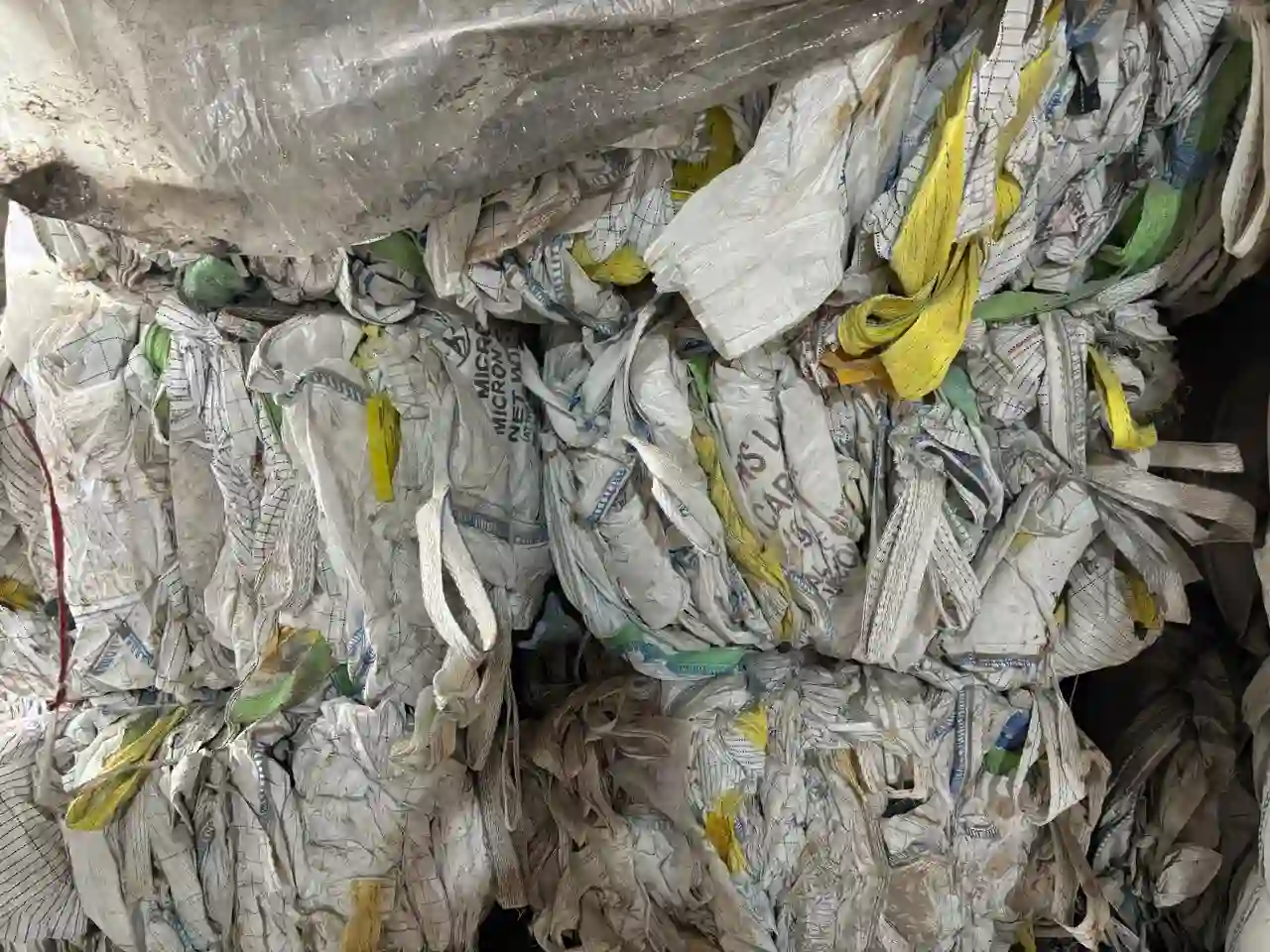
Heavier-gauge PP ton bags (500–2,000 kg) usually cleaner, best handled by a twin-shaft shredder.
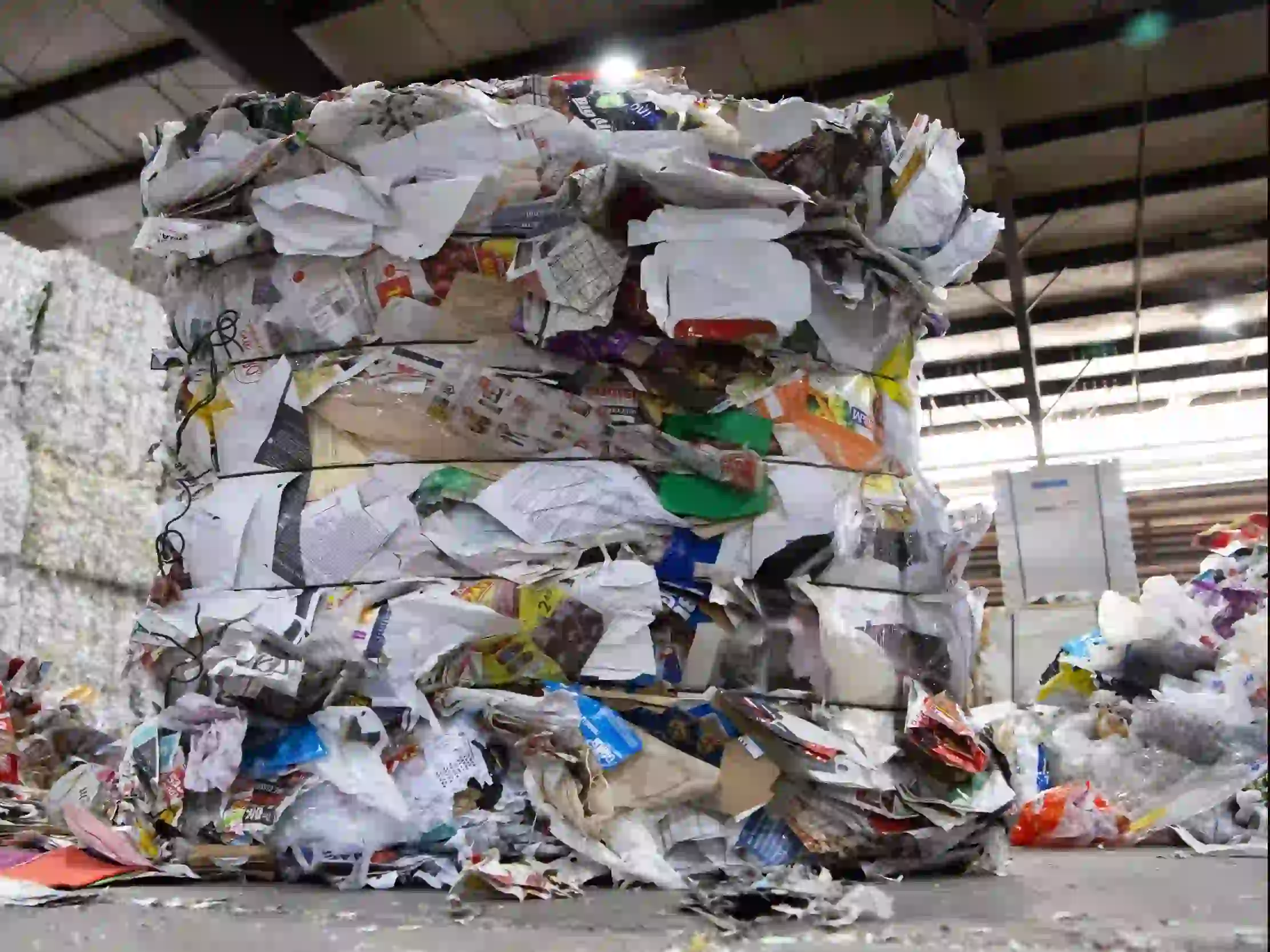
Hot washing removes water-soluble chemicals; sink-float separation gives a separate mineral contaminant stream.
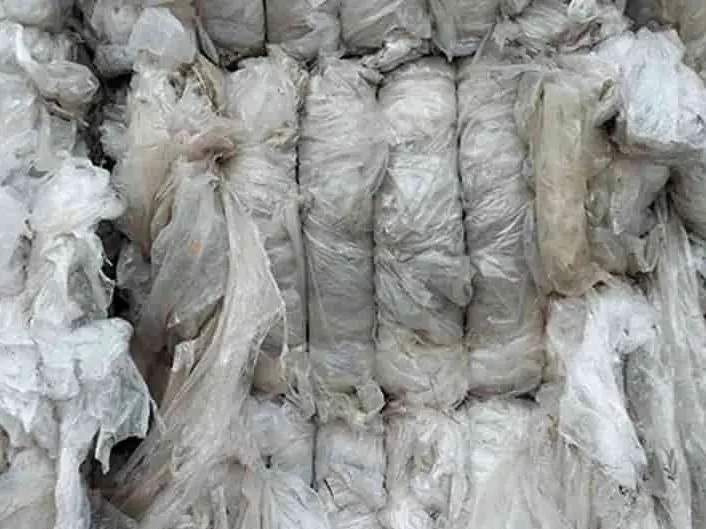
The cleanest source — water-soluble residues wash off even at ambient temperature, ideal for 300–500 kg/h entry lines.
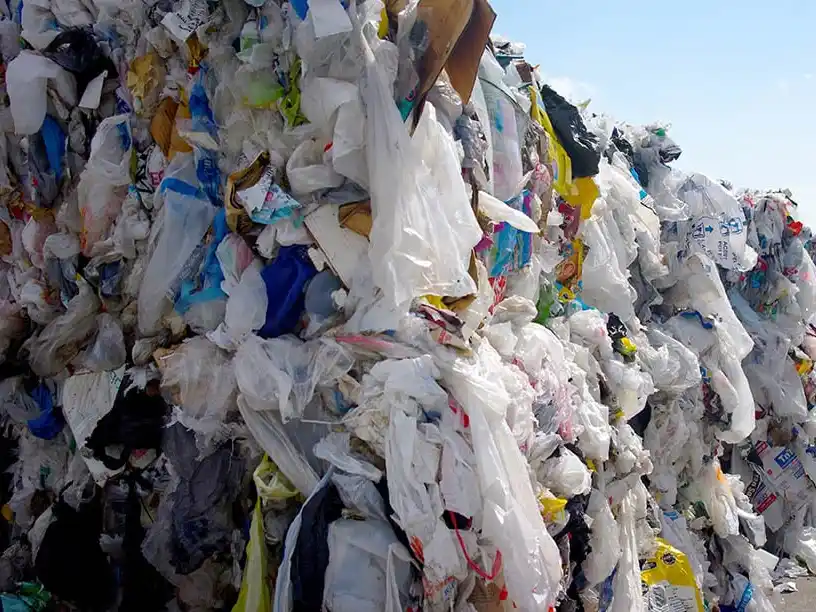
Woven PP raffia yarn products; washing lines segregate mixed colors for premium pale-colored pellets.
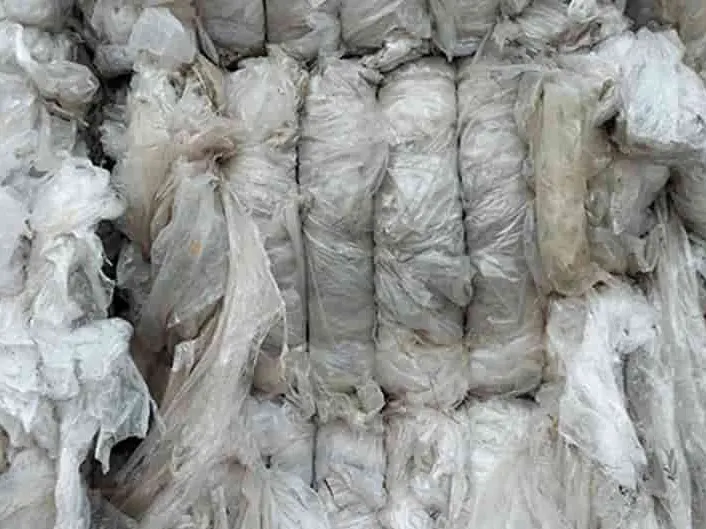
Mixed bales of woven bags and LDPE/HDPE film can be processed together, adjusting operating parameters between material types.
Machine modules
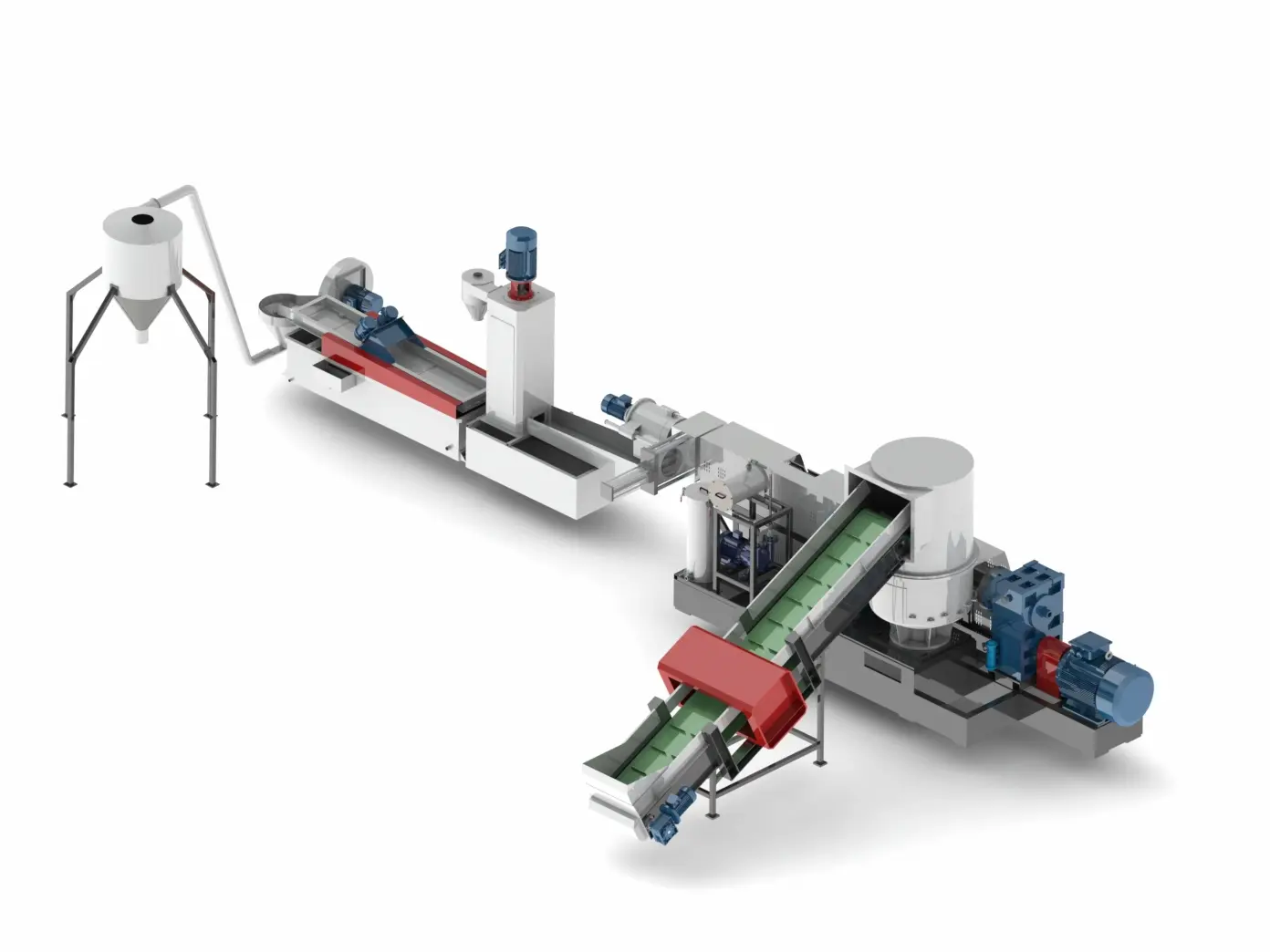
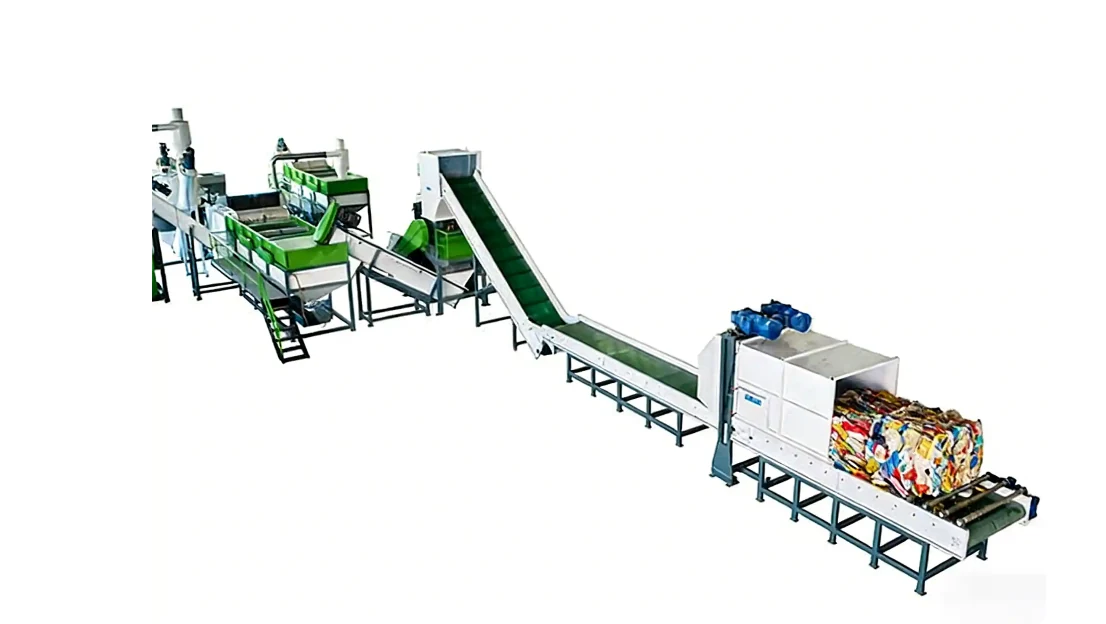
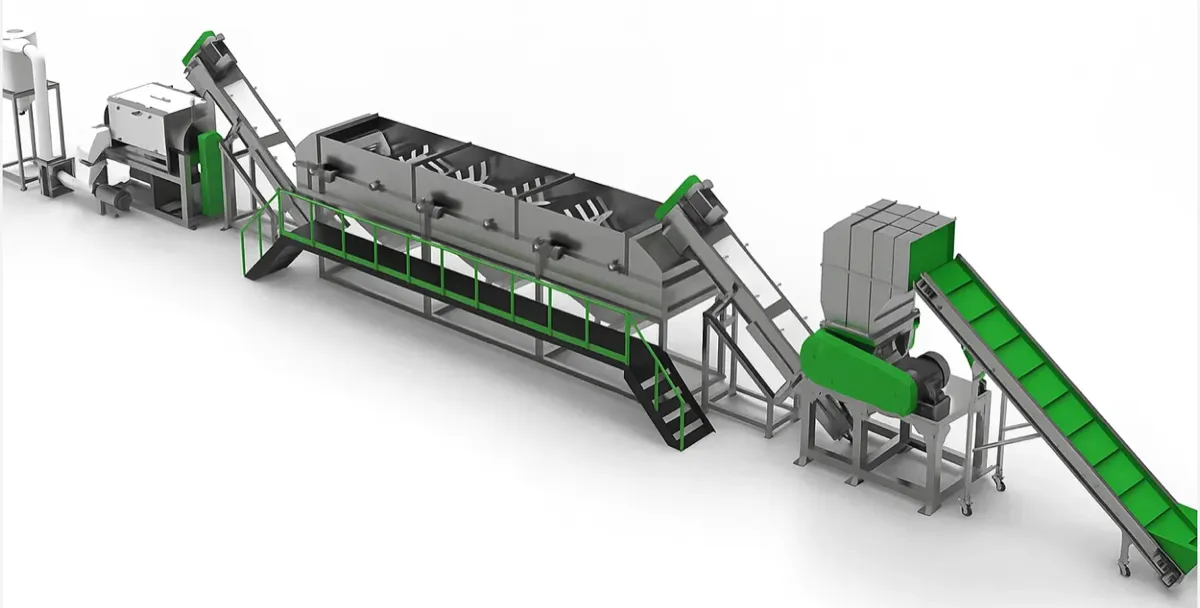
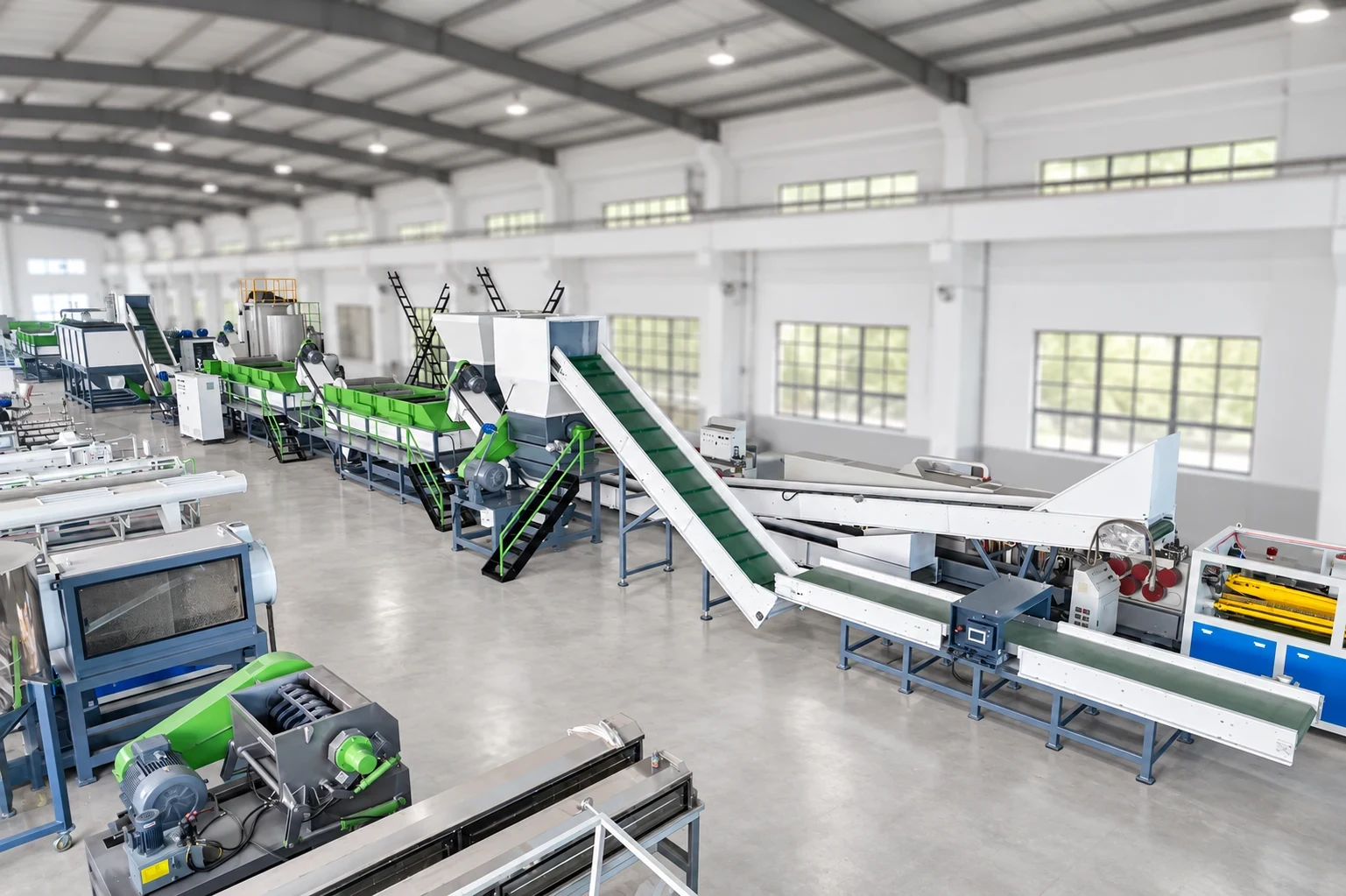
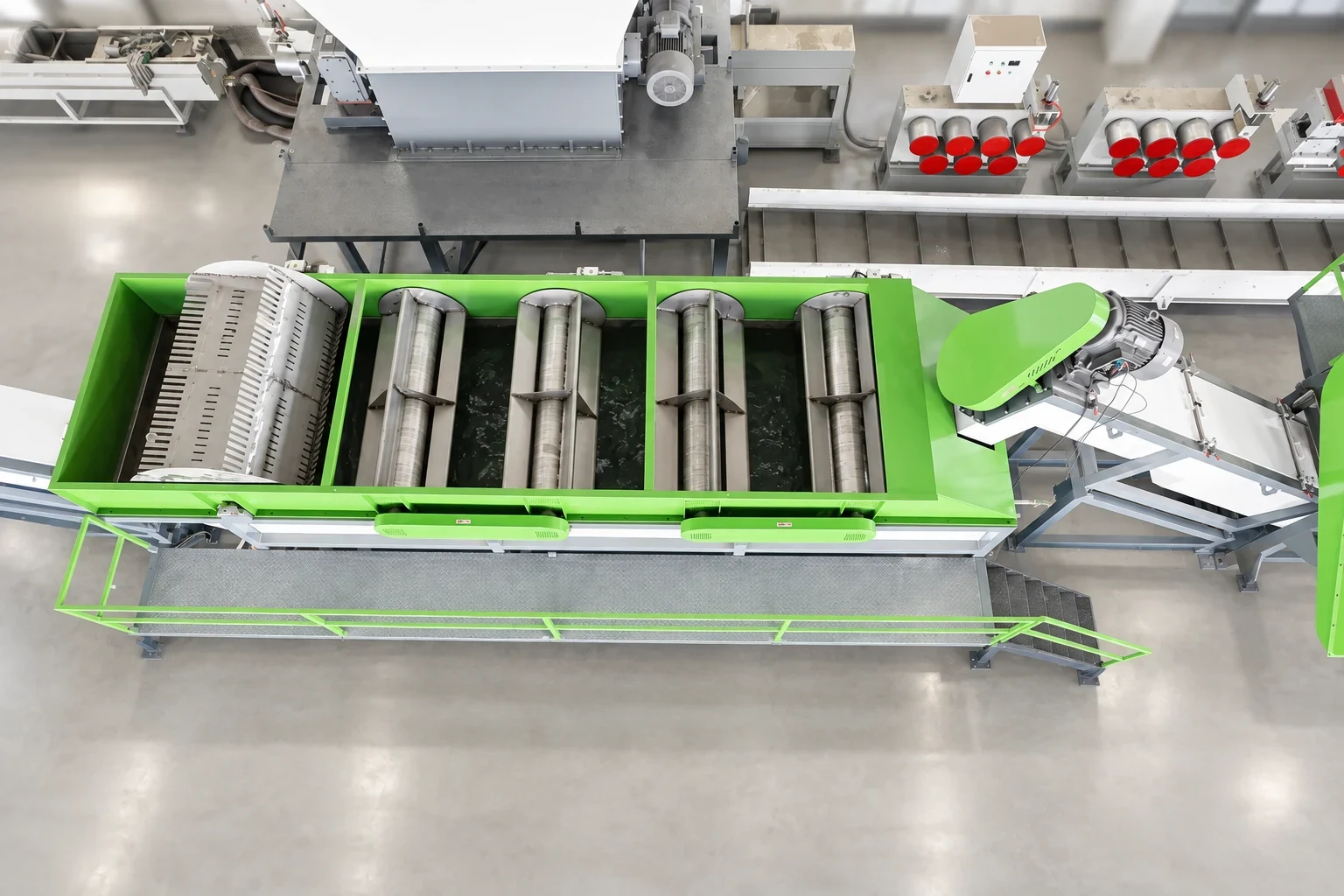
Core modules for feeding, crushing, washing, separation, dewatering and line control.
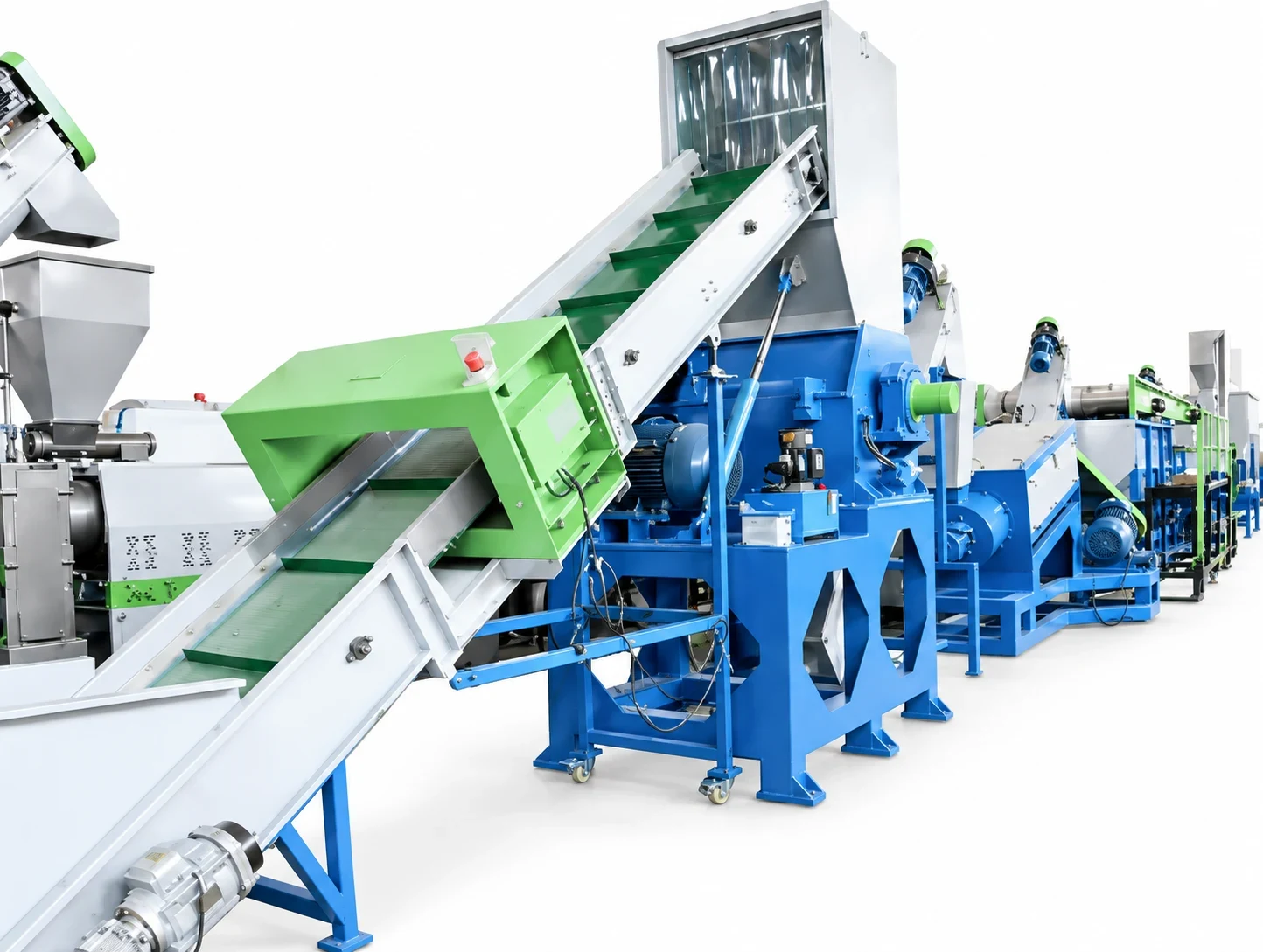
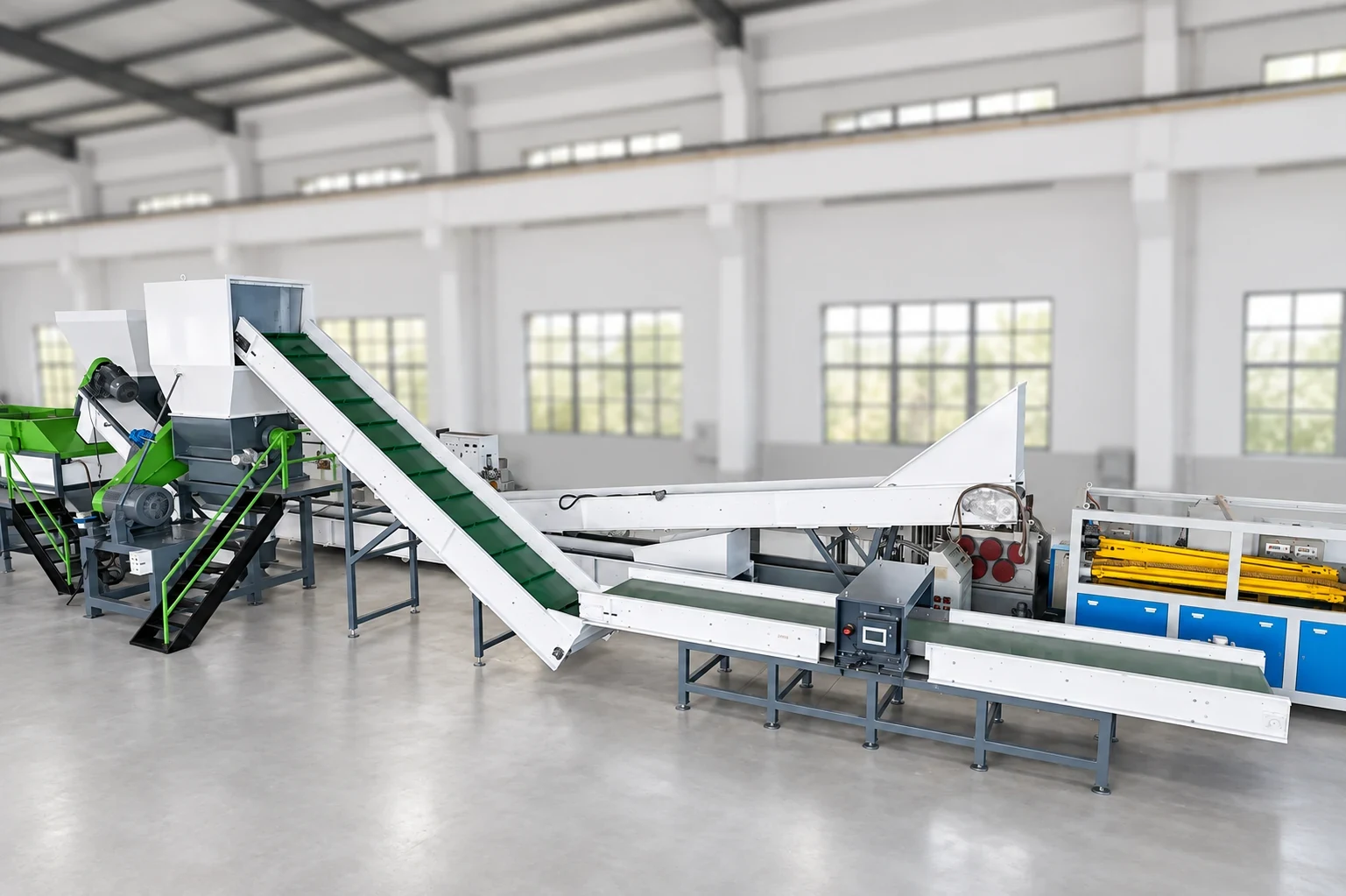
Variable-speed conveyors and screw loaders connect the washing stages and maintain a steady material feed.
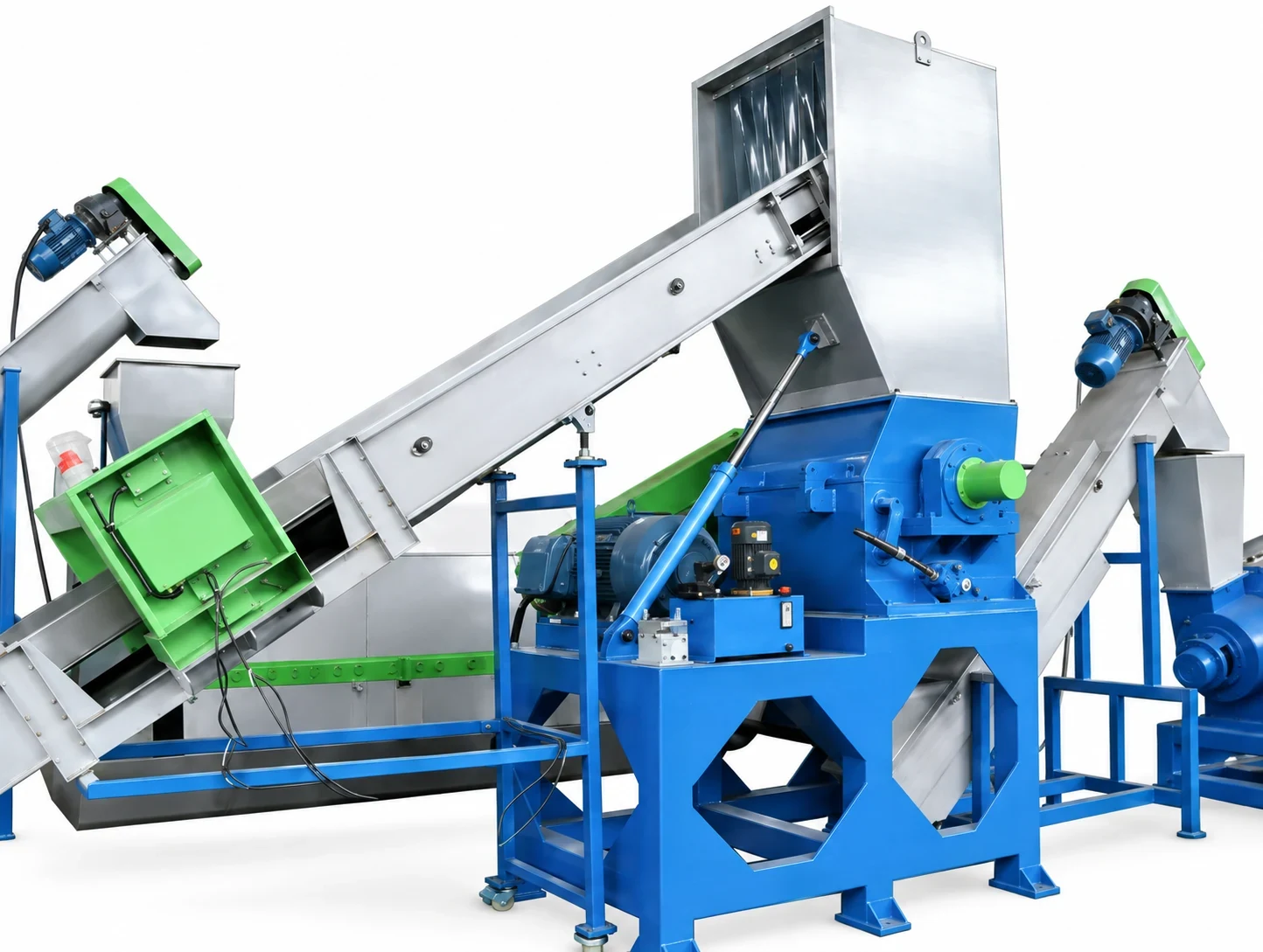
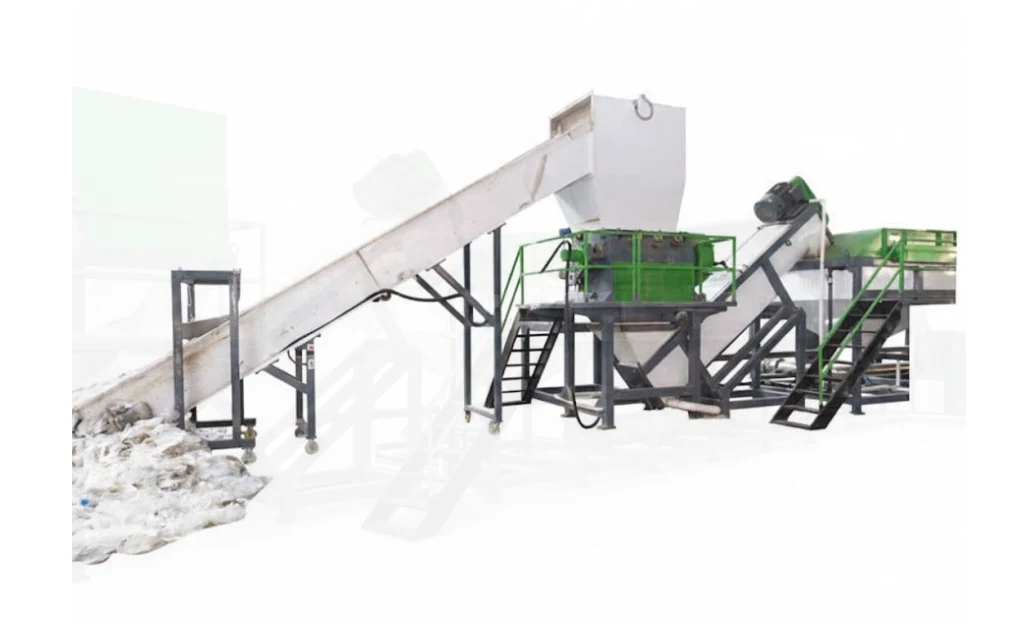
Water-assisted crushing reduces woven bags to a consistent size while releasing loose dirt and residues.
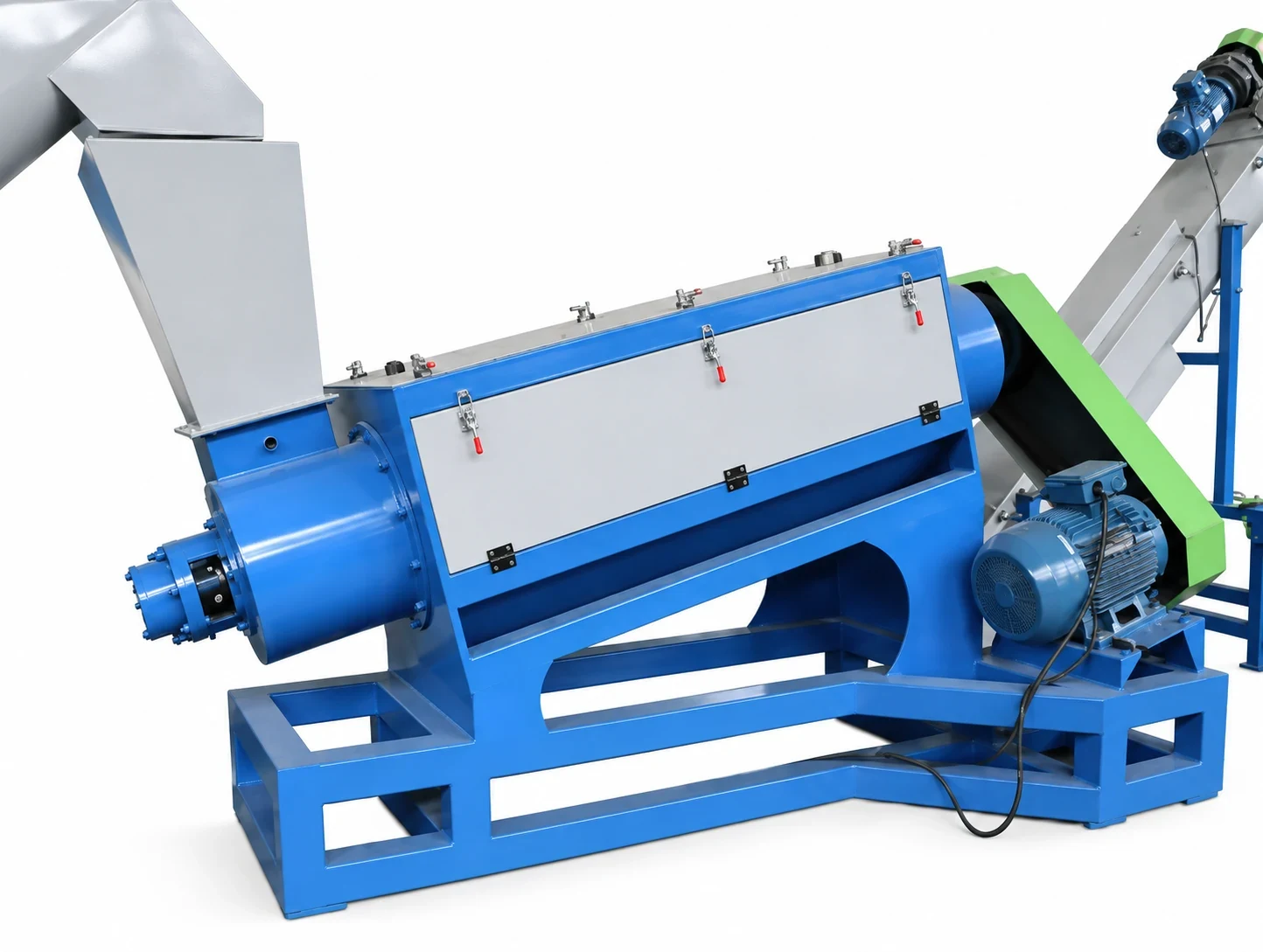
Mechanical scrubbing removes soil, labels and persistent contamination from the woven fabric.
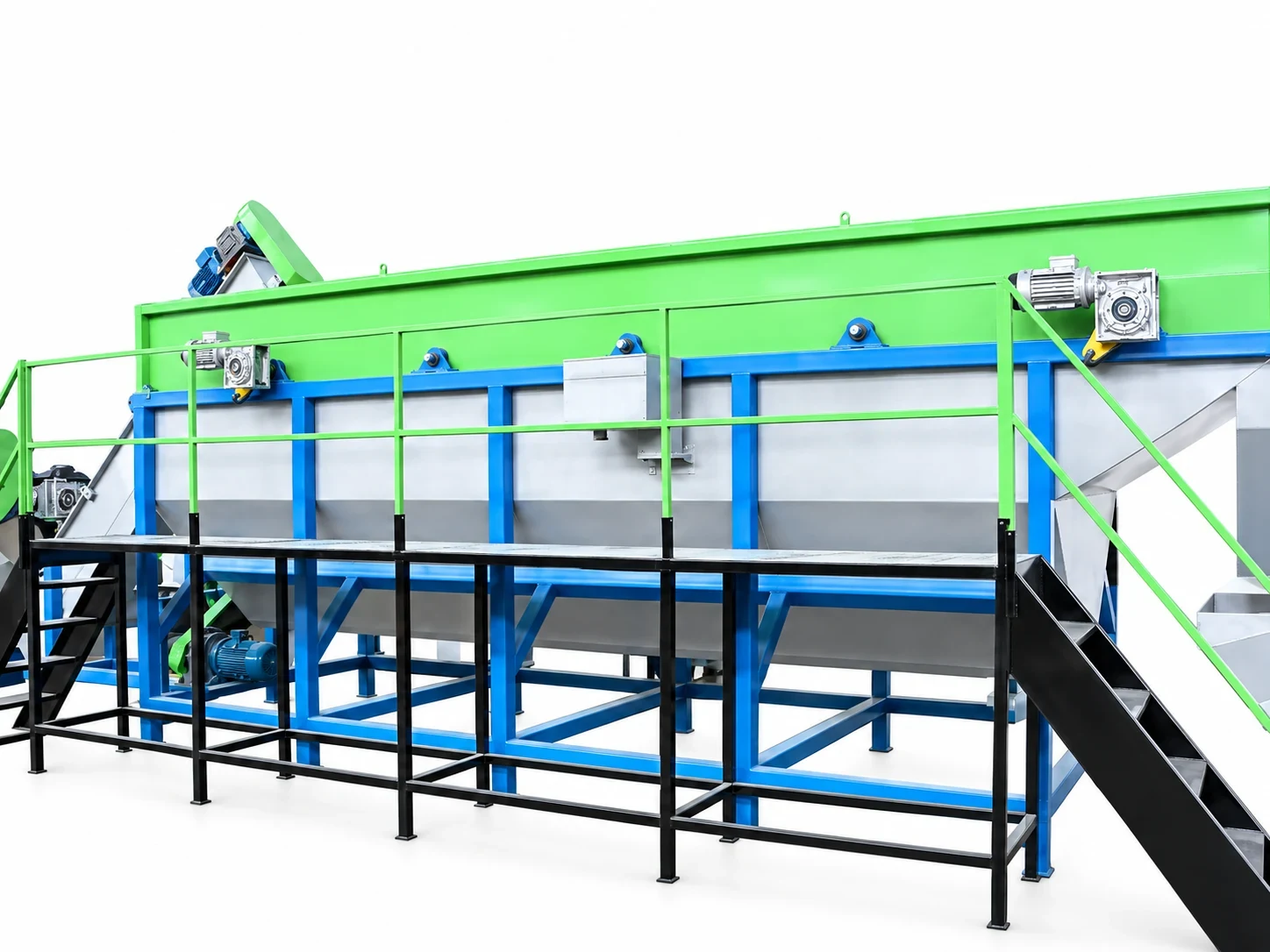
PP woven material floats while heavier contaminants settle and are discharged from the washing tank.
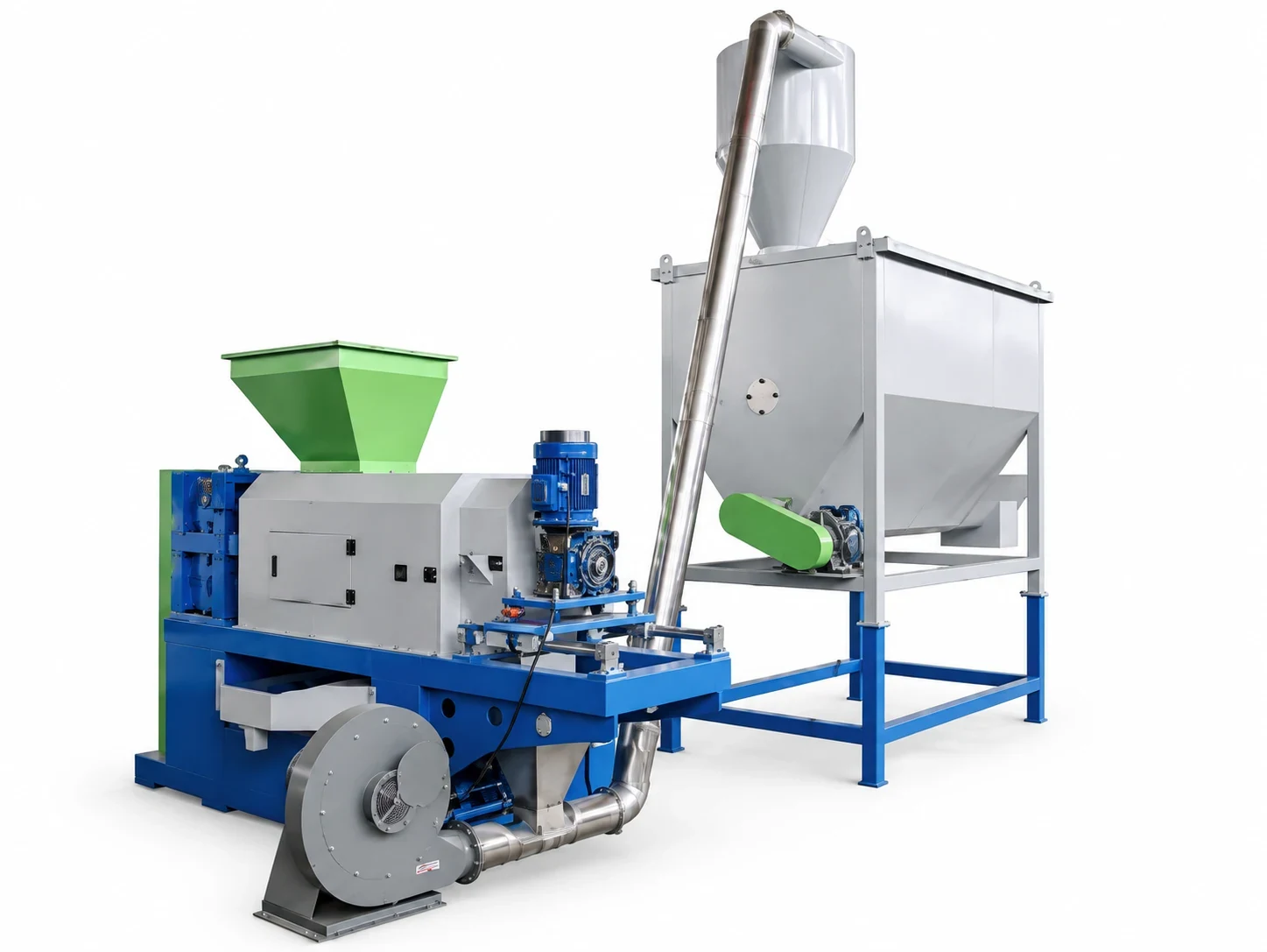
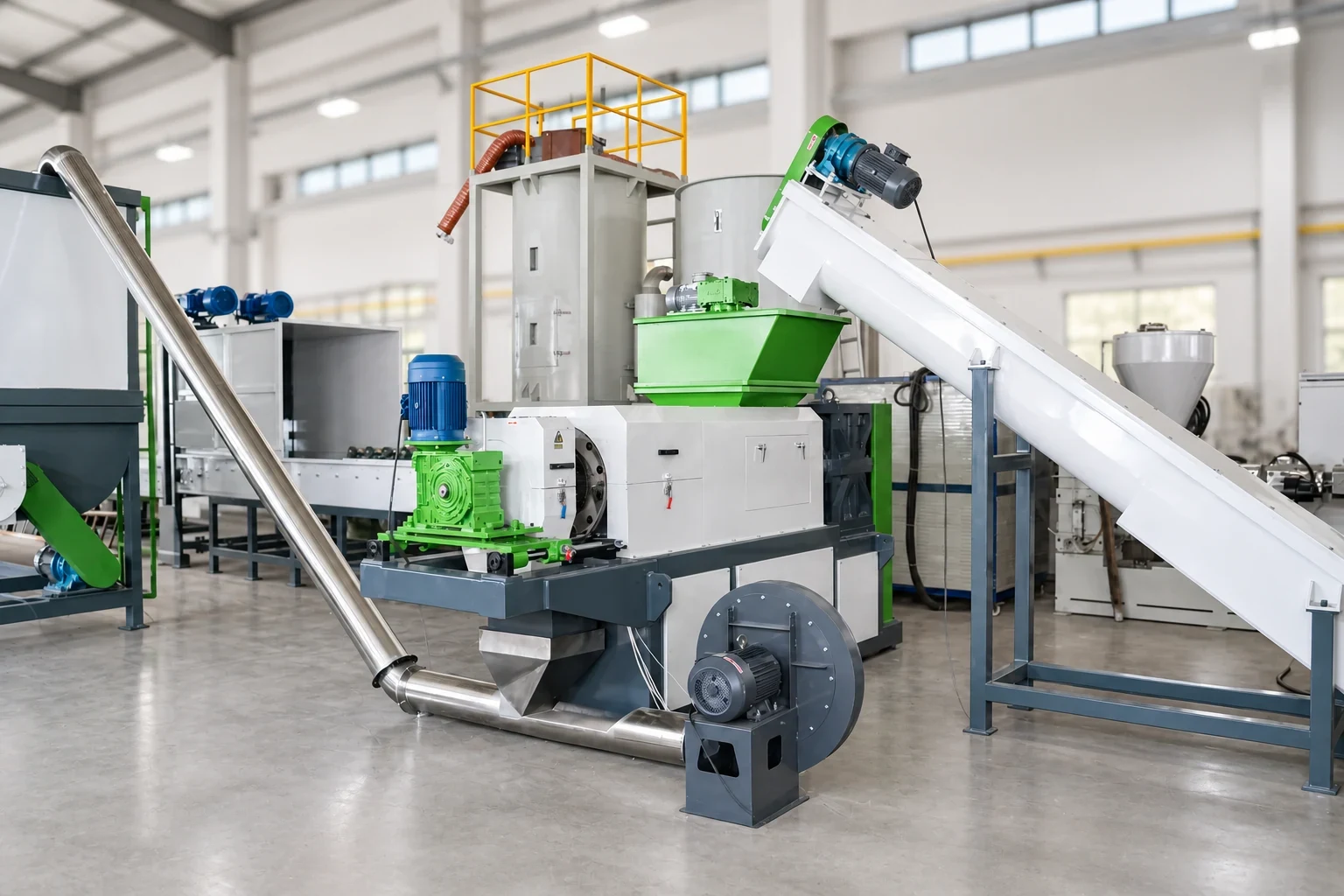
Mechanical squeezing removes most free water from washed woven flakes before drying or pelletizing.
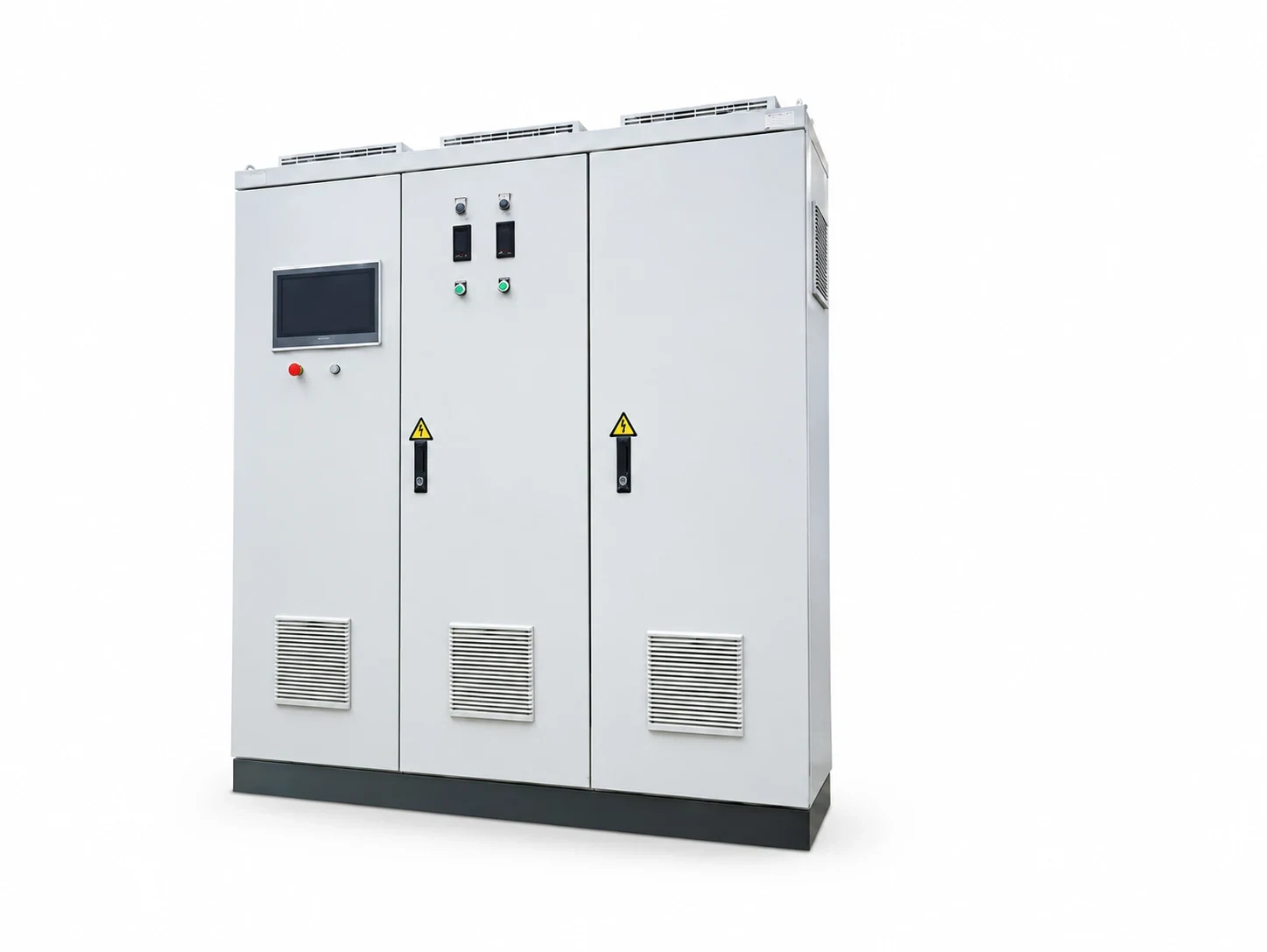
Centralized controls coordinate material feeding, motors and the complete washing sequence.
FAQ
Answers to the questions woven bag recyclers ask most.
Yes. A dedicated hot washing tank operates at 60–80°C to dissolve cement powder, fertilizer chemicals and melted label adhesive. Dual-stage friction washing and sink-float separation bring flake purity above 95%.
Start with your daily feedstock. A 300–500 kg/h line suits 3–5 tons/day of collection, while 1,000–1,500 kg/h handles municipal or industrial waste of 10–20 tons/day. Consider floor space and whether you will sell washed flakes or finished pellets.
FIBC and jumbo bags are made from high-quality virgin or near-virgin polypropylene. With PP priced at $800–1,200 per ton, recycled flakes and pellets from these feedstocks command premium resale prices.
Moisture content is usually below 5% after squeezing and down to 1.5% after thermal drying, with flake purity above 95% from FIBC and cement bag feedstock. With a pelletizing line, the pellets suit most PP applications including injection molding and tape extrusion.
Nine stages: bale breaking and conveyor feeding, shredding/crushing, pre-wash and label removal, high-speed friction washing, sink-float separation, secondary friction washing, centrifugal dewatering, hot air drying, and optional pelletizing with degassing.
Yes. A hot wash at 60–80°C lets calcium-based cement re-dissolve, and friction washing cleans residual particles off the PP tape. The washed flakes can be pelletized for injection molding of non-food goods, flower pots or woven bag tape extrusion.
Installed power of a 500 kg/h washing line without pelletizing is 120–180 kW, or about 0.25–0.35 kWh/kg at rated conditions. Adding pelletizing increases installed power by 80–150 kW. PLC control with variable-frequency drives reduces power consumption by 15–25% at partial loads.
You May Also Like
Build out your recycling system with complementary washing and pelletizing equipment.